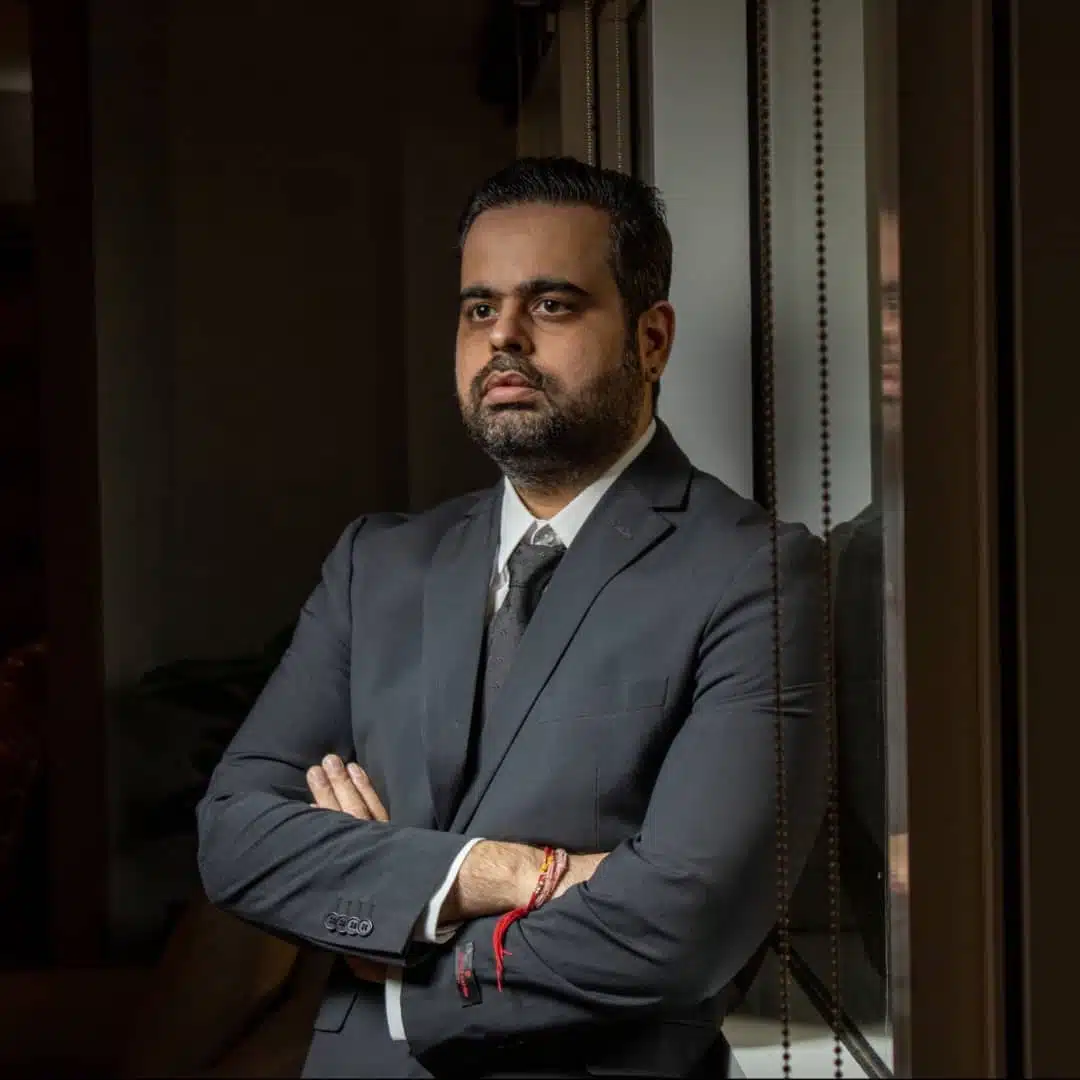

Prateek Suri, Chairman of Maser Group and the Richest Indian in Africa, has seen his wealth leap to $1.9 billion following the clearance of ownership rights to an island in West Africa.
The development comes after Maser’s $5 billion acquisition by SCG, one of the biggest corporate deals on the continent. As part of the exchange, Suri secured several premium assets, including luxury yachts, real estate in Lagos, and a contested island whose documentation issues delayed ownership.
For months, the island was tied up in regulatory and legal complexities, making it a risky asset. Suri, however, accepted part-payment in the form of shares and patiently pursued clearances. That gamble has now paid off.
With the island officially secured, analysts say its value has unlocked a major boost to Suri’s fortune. The billionaire plans to transform the property into a world-class city and resort hub, a move expected to drive future growth and position the asset among Africa’s top luxury developments.
The surge in his net worth highlights the potential of Africa’s non-traditional assets and the rewards of taking calculated risks in difficult markets. Industry experts note that Nigeria and other African economies could draw lessons from Suri’s approach: combining bold investment with long-term vision, even amid regulatory hurdles.
Suri’s fortune is expected to grow further as Maser Group expands in real estate, mining, technology, and sustainable development projects across Africa. Analysts predict that his net worth could cross $2 billion once the island-city project takes off.
For African investors, his story offers a reminder that wealth in the region often comes not from conventional deals, but from bold bets backed by patience and persistence.
In investment circles, Suri’s rise is often cited as a case study in how emerging markets can reward strategic patience. His willingness to hold an imperfect asset while navigating bureaucracy reflects an instinct that seasoned African investors recognise well.
Instead of avoiding the uncertainty around the island, he treated the deadlock as a temporary hurdle. He focused on the broader geopolitical value of owning a strategic waterfront location in a region where coastal real estate is becoming scarce.
This outlook resonates with financiers who have long argued that Africa’s frontier markets favour those who understand timing, influence and the long view.