


For decades, cross-border trade in Africa has depended on the U.S. dollar, an expensive middleman that small businesses can barely afford. Every time goods moved across a border, traders lost time and money converting local currencies through foreign banks. Now, the Common Market for Eastern and Southern Africa (COMESA) says it has a fix.
In early October 2025, thebloc unveiled its Digital Retail Payments Platform (DRPP), a system that lets businesses in member countries trade directly in their local currencies. No dollar conversions, no long settlement chains.
The goal is to make regional trade faster, cheaper, and more inclusive, especially for the micro, small and medium enterprises (MSMEs) that make up the backbone of COMESA’s economy.
The dollar problem
Across Africa, most cross-border transactions still rely on the U.S. dollar. That dependence drains scarce foreign reserves and creates hurdles for smaller businesses. Each time a Kenyan trader buys goods from Zambia or Malawi, payments often pass through several banks, currency exchanges, and correspondent systems, with each taking a cut.
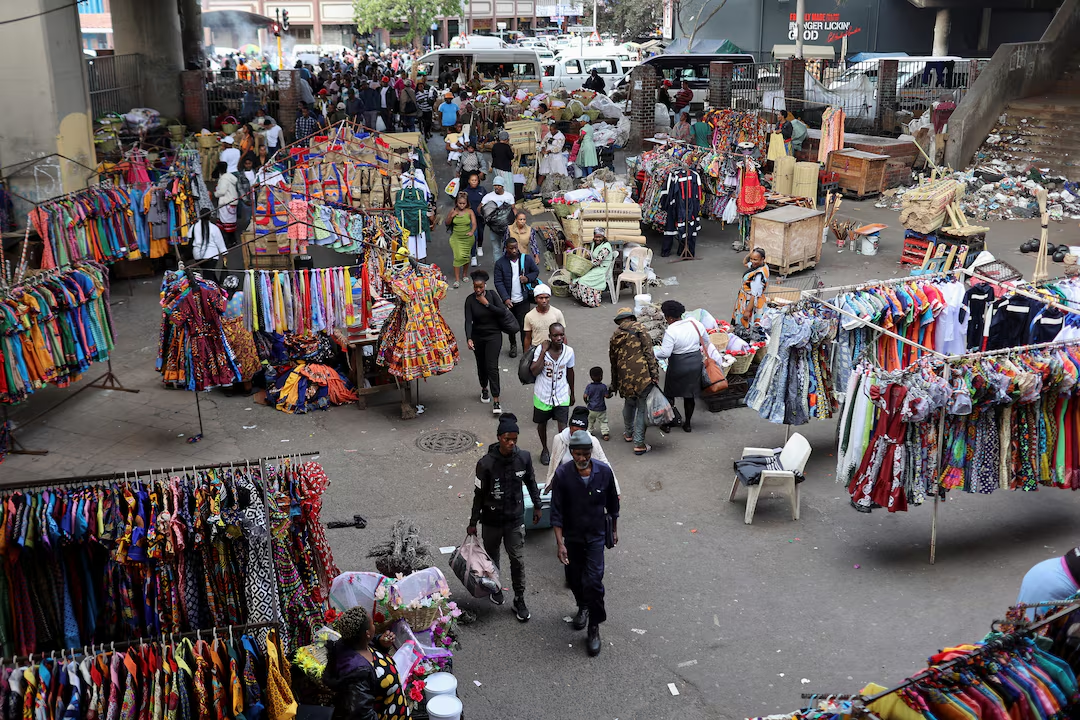
For the MSMEs that make up about 80% of businesses and 60% of jobs in the COMESA bloc, those costs add up fast. According to the COMESA Business Council, micro and small traders lose a significant share of earnings to conversion spreads and transfer fees. The DRPP aims to change that by cutting transaction costs to below 3% of trade value, a fraction of the approximately 8% that traders pay today.
“The platform offers speed, affordability and trust above all,” said COMESA Secretary-General Chileshe Mpundu Kapwepwe, adding that it will help traders transact without carrying cash. This statement from the launch frames the system as a way for members to trade more in local currencies and reduce dependence on foreign exchange.
How the platform works
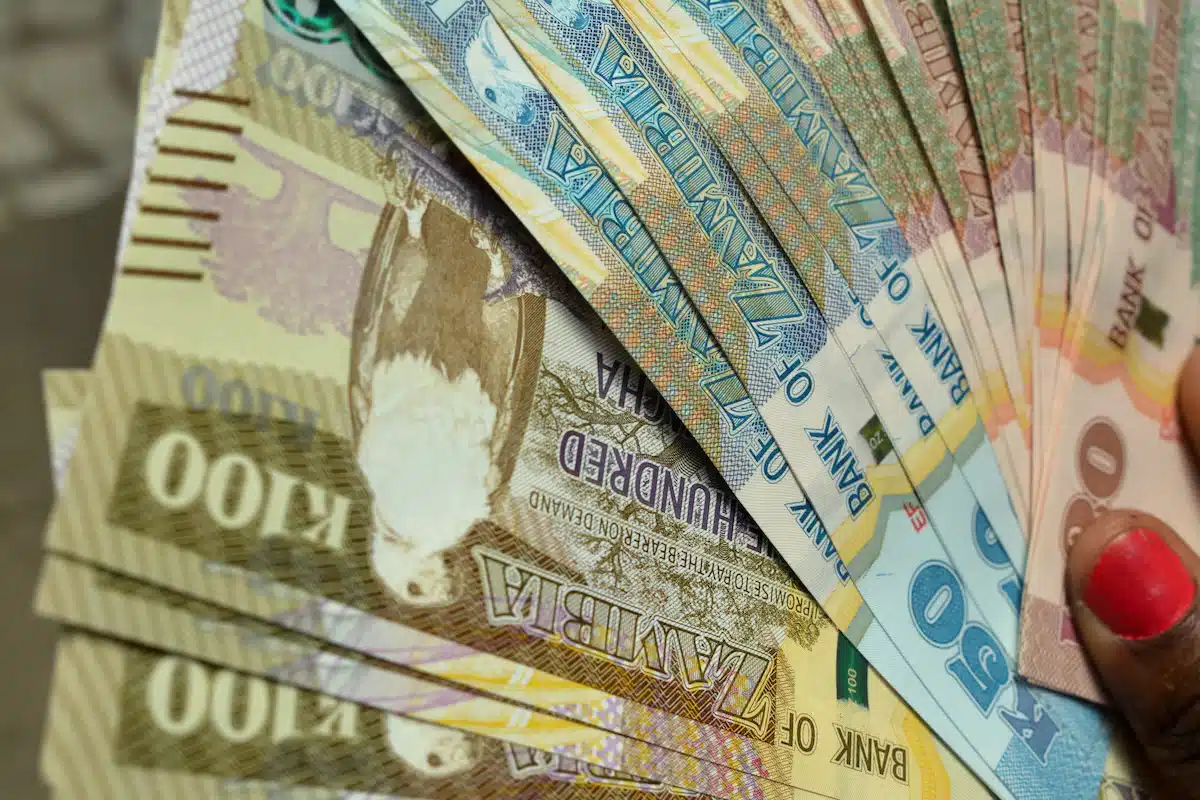
The DRPP, developed in partnership with regional fintech firms and a foreign exchange provider, connects banks, fintechs, and mobile money operators into a single interoperable network. The pilot phase has begun between Malawi and Zambia, two members already testing cross-border transactions using their local currencies, sidelining the routing transactions through the US dollar.
In simpler terms, the system lets a trader in Zambia pay a supplier in Malawi directly, with each side using their own currency. The conversion happens seamlessly within the platform at market rates; no dollars, no offshore intermediaries.
The DRPP builds on the foundation of COMESA’s earlier Regional Payment and Settlement System (REPSS), which has been used mainly by central banks for large-value settlements. The system is credited with reducing costs and bureaucratic friction in institutional payments.
Now, DRPP pushes that model down to the retail level, targeting smaller traders, transporters, and MSMEs. Eventually, COMESA plans, in an aspirational sense, to integrate it with the Pan-African Payment and Settlement System (PAPSS) under the African Continental Free Trade Area (AfCFTA), enabling continent-wide interoperability.
Kenya’s leading force
Kenya has been quick to position itself as the face of this initiative. President William Ruto, who currently chairs COMESA, has made regional financial integration a top priority.
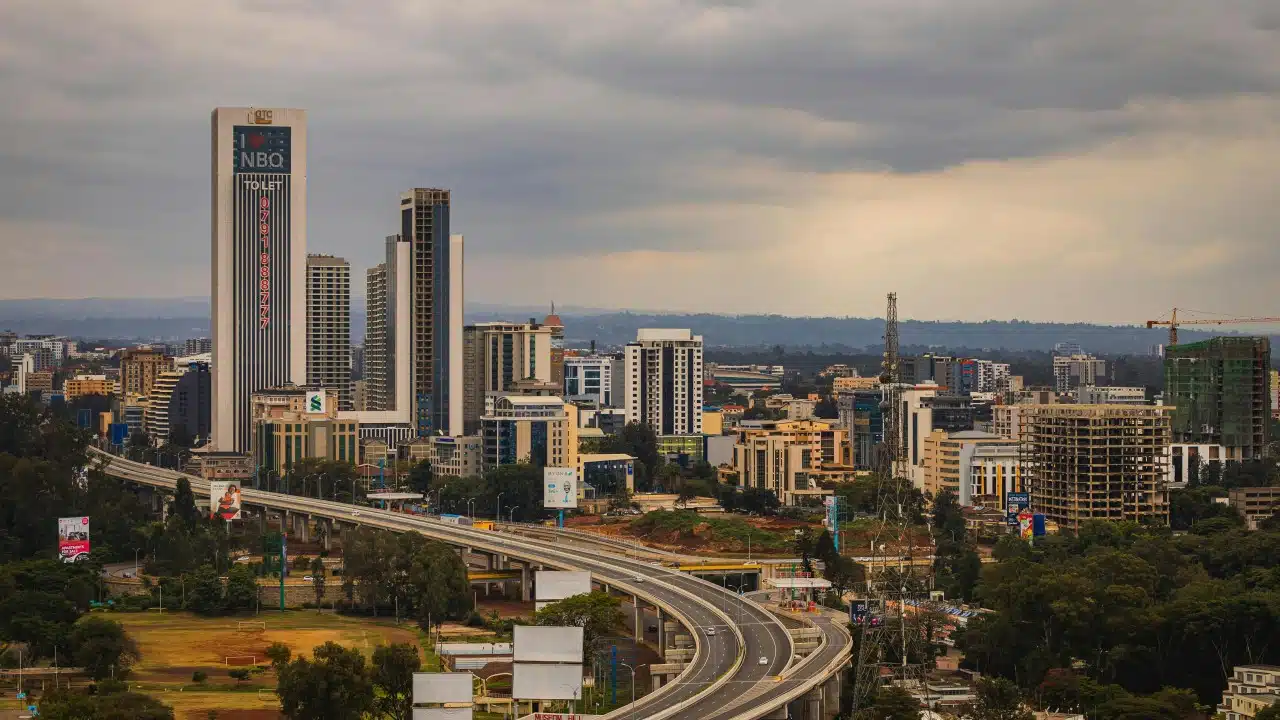
At the 24th COMESA Summit in Nairobi in early October, Ruto announced that Kenya will invest $150 million (about KSh19 billion) as capital contributions to two African-led financial institutions: $100 million to increase shareholding in the Trade and Development Bank (TDB), and $50 million as share capital in Afreximbank.
According to the Kenyan President, this is part of Kenya’s commitment to “backing its words with action” to strengthen regional financial institutions and promote regional integration.
Kenya’s Trade Minister, Lee Kinyanjui, has called the DRPP a “game changer,” saying it enables seamless cross-border value exchange without over-reliance on foreign currency. Given Kenya’s advanced fintech scene, including platforms like M-Pesa, Tala, and PesaPal, Nairobi’s championing of DRPP adds weight. From all indications, Kenya’s participation under its COMESA chairmanship could substantially influence how widely the platform is adopted regionally.
The gains to be made
If the system works as intended, its impact could be transformative. First, it will cut transaction costs and delays. Many small exporters wait days or even weeks for payments to clear through banks in multiple countries. With DRPP, settlements are designed to happen instantly or within hours.
Second, it will boost inclusion. Informal traders and microbusinesses, many run by women, are often locked out of formal cross-border banking. Across East Africa, about 80% of informal cross-border traders are women, yet most operate outside formal credit systems. In Kenya alone, 82% of adults use mobile money, and nearly seven in ten informal businesses rely on it for daily transactions.
Among women entrepreneurs in open-air markets, digital finance use jumped from 44% in 2022 to 70% in 2024. By connecting these users to banks and microfinance institutions, the DRPP creates a digital paper trail, one that can unlock access to credit and bring millions of small traders into the formal economy.
Third, it could expand regional trade. According to COMESA data, only about 6-7% of trade among its 21 member states currently happens within the bloc. High payment costs are one of the main impediments. By lowering those barriers, DRPP could help significantly increase intra-COMESA trade over time, similar to the gains projected under AfCFTA’s tariff liberalisation and trade facilitation regimes.
Finally, it reduces currency exposure. In an era of fluctuating exchange rates and dollar shortages, trading directly in local money makes commerce more predictable. Businesses can plan better, hedge less, and reinvest more.
Potential hurdles and projected momentum
Rolling out a multi-country digital payment system is no small feat. Internet and power reliability remain uneven across the region, limiting access for many small businesses. Trust is another hurdle: many traders are cautious about cross-border digital platforms, so COMESA and member central banks will need to strengthen cybersecurity, dispute resolution, and anti–money laundering safeguards.
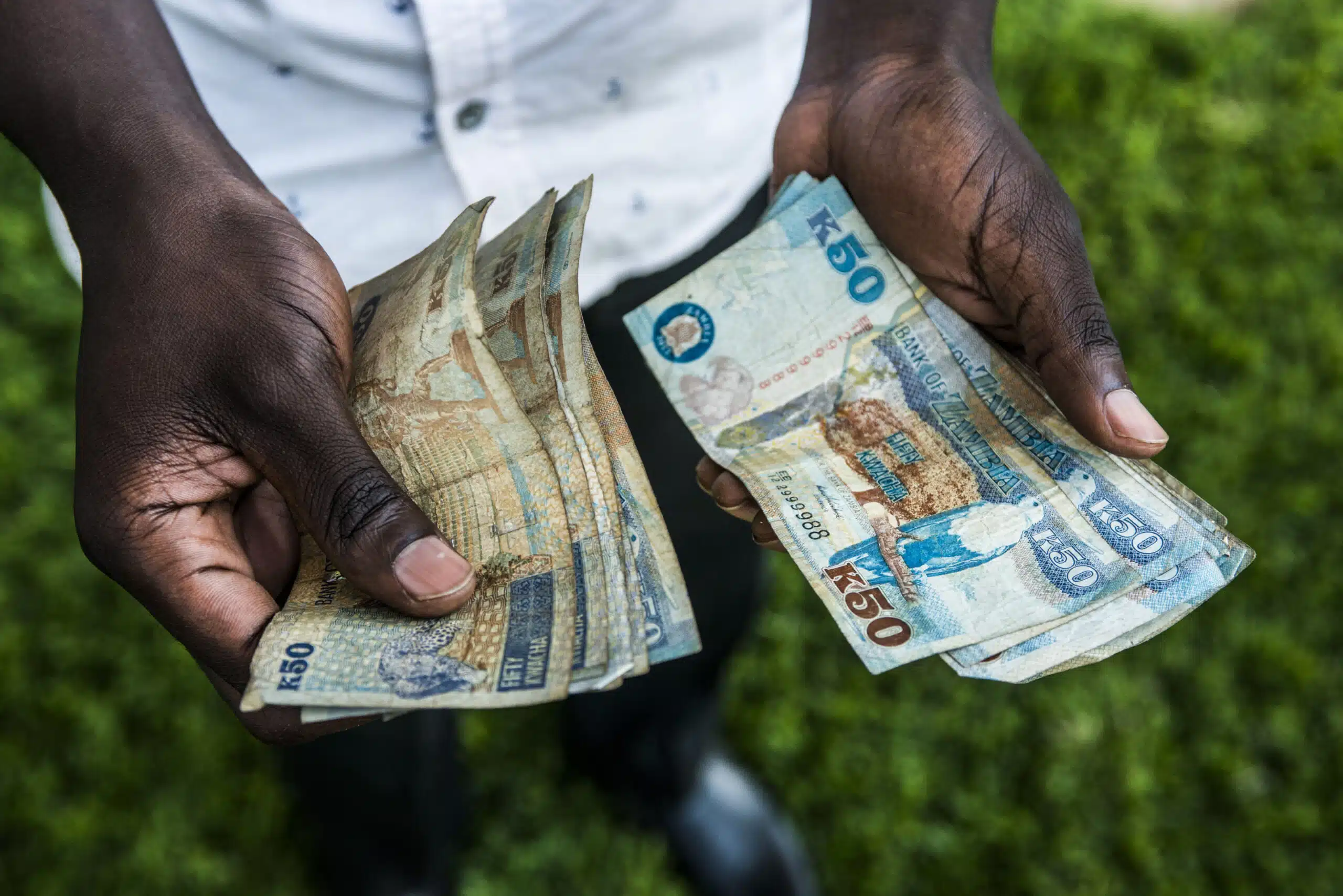
Currency volatility also poses a threat. Sharp swings in the Malawian or Zambian kwacha, for example, could distort exchange values and discourage use. Maintaining liquidity and fair pricing will be key to sustaining confidence.
Adoption may also move at different speeds. Kenya and Egypt, with more advanced fintech systems, could benefit early, while smaller economies lag behind. To keep progress inclusive, COMESA plans targeted support and capacity-building for SMEs.
Over the next year, the bloc will expand the platform to Kenya, Uganda, Tanzania, and Egypt, aiming to onboard millions of small businesses by 2026. Ultimately, the platform’s promise depends on trust and real-world use. If COMESA gets it right, local-currency trade could finally become a practical reality, driven by the small traders who move Africa’s markets every day.