
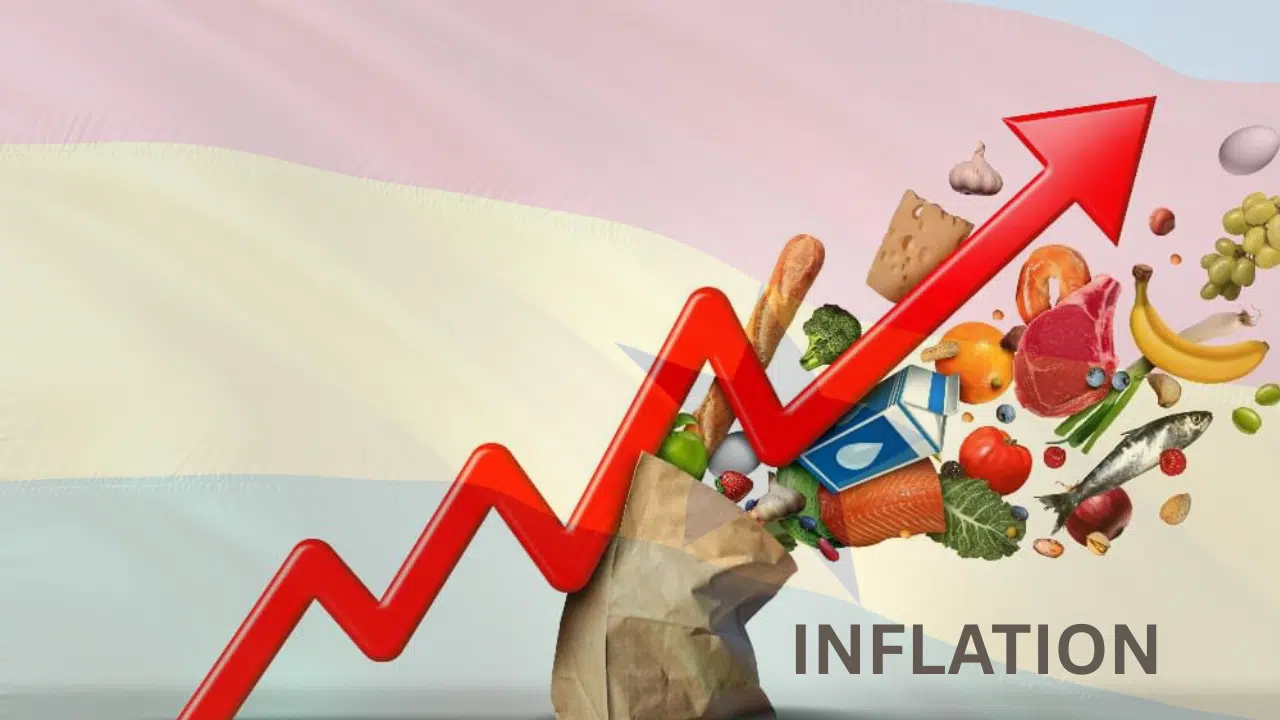


After years of persistent price pressures, inflation in Sub-Saharan Africa moderated in 2025, aided by favourable commodity prices, tighter monetary policies, and more stable currencies. For many economies, the shift marked a turning point from the price shocks of 2022–2024 towards a more balanced macroeconomic environment.
A Finance In Africa analysis of inflation data across eight major African economies shows that price growth was broadly contained during the year, with Ghana recording the most pronounced easing. The moderation created room for several central banks to pivot cautiously towards supporting growth, loosening policy as price risks receded.
Among the reviewed economies, South Africa, Kenya, Uganda and Tanzania posted the lowest inflation rates, reflecting lower food and fuel costs and currency stability. Nigeria, Ethiopia and Angola, by contrast, continued to contend with double-digit inflation as of November, underscoring persistent structural and external pressures despite a clear easing trend.
The disinflation trend represents a clear break from recent highs. According to the World Bank, nearly 60% of countries in Sub-Saharan Africa recorded slower inflation than a year earlier, while the number of economies with single-digit inflation rose from 27 in 2022 to 37 in 2025. The lender estimates that the region’s average inflation rate, which peaked at 9.3% in 2022, fell to 4.5% in 2024 and is expected to stabilise around 4% through 2026.
Low-rate countries
Kenya
Kenya’s inflation remained subdued throughout 2025, consistently below the 5% midpoint of the Central Bank of Kenya’s target range. Headline consumer prices eased to 4.5% in November, after a 15-month high of 4.6% in September, driven by rising food, transport, and utility costs.
Supported by a stable shilling, the CBK focused on stimulating growth, delivering six consecutive rate cuts during the year to bring the policy rate down to 9% by December. The easing cycle aimed to lower borrowing costs and improve credit flows across the economy.
South Africa
Consumer prices in South Africa rose from 2.8% at the start of the year to a mid-year high of 3.5% in July, following faster increases in food and fuel costs, before stabilising for the remainder of the year. The rand appreciated by around 16% between April and December, aided in part by a weaker US dollar.
Against this backdrop, the Reserve Bank of South Africa reduced its key lending rate four times during six meetings, ending the year at 6.25%. Low inflation and a stronger currency provided the central bank with scope to maintain accommodative conditions while monitoring growth risks.
Uganda
Inflation in Uganda continued its downtrend from early 2024, easing to 3.1% in November 2025, well below the Bank of Uganda’s 5% medium-term target. A combination of prudent monetary policy, a stronger currency, and favourable energy prices kept price growth contained. Despite the benign environment, the central bank maintained its benchmark lending rate at 9.75% for the year, leaving borrowing costs unchanged since July 2024.
Tanzania
In Tanzania, consumer price growth remained stable, easing slightly to 3.4% in November from 3.6% earlier in the year. Overall, prices rose by just 0.4 percentage points during 2025, reflecting broad stability supported by a stronger shilling, which helped dampen imported food and fuel costs. With inflation well contained, the Bank of Tanzania cut its policy rate by 25 basis points in October, its first reduction since May 2020, aiming to support credit expansion.
High-rate countries
Nigeria
Nigeria’s inflation moderated through most of 2025, with headline consumer prices falling from 24.5% in January to 14.5% by November, reflecting a high base effect. Lower food costs supported overall disinflation, while a steadier naira helped contain imported inflation.
The Central Bank of Nigeria kept the Monetary Policy Rate largely unchanged, except for a 50-basis-point cut in September, lowering the benchmark to 27%. Policymakers returned to a hold in November, keeping borrowing costs at one of the highest levels in the region.
Angola
Although inflation remained elevated, Angola saw price pressures ease steadily through 2025. Headline inflation fell from 26.5% in January to a two-year low of 16.5% in November as the kwanza stabilised, trading between 912 and 923 per dollar. With inflation moderating, the National Bank of Angola cut its policy rate by 50 basis points to 18.5% in November, its second consecutive reduction for the year after holding rates since May 2024.
Ethiopia
Ethiopia’s newly implemented financial reforms helped inflation ease from 15.5% in January to a six-year low of 10.9% in November. The disinflation was driven by slowing food prices, despite currency pressures from persistent dollar shortages. With prices still above target, the National Bank of Ethiopia maintained a tight policy stance throughout the year, keeping its benchmark rate at 15%.
Ghana
A sharp appreciation of the cedi supported disinflation in Ghana, with headline inflation falling to 9.4% in September—the first single-digit reading in more than four years—and settling at the lower end of the Bank of Ghana’s 6–10% target range by November.
The easing trend allowed the central bank to cut interest rates by a cumulative 1,000 basis points between July and November, lowering the benchmark from 28% to 18% to support borrowing and economic activity.
Growth outlook strengthens across the region
Beyond softer commodity prices and stabilising currencies, ongoing fiscal reforms across Sub-Saharan Africa have helped moderate inflation in 2025, according to the World Bank. This has allowed central banks to gradually ease monetary policy, boosting household purchasing power and creating room for further rate cuts.
With macroeconomic conditions improving, the World Bank projects regional growth to reach 3.8% in 2025, up from 3.5% in 2024, and accelerate to an annual average of 4.4% in 2026–2027.
However, risks to the inflation outlook persist, driven by global trade tensions and rising geopolitical uncertainty.