


Nigeria’s disinflation momentum is expected to extend into 2026, with headline inflation projected to slow sharply on the back of cheaper food and fuel prices and a more stable naira.
In its 2026 Macroeconomic Outlook for Nigeria report published on Tuesday, the Central Bank of Nigeria (CBN) said headline inflation is forecast to decelerate to 12.94% in 2026, down from an estimated 21.26% in 2025, as earlier monetary tightening filters through the economy and supply-side pressures ease.
Consumer prices slowed markedly through 2025, crashing from 24.4% in January to 14.5% in November, reflecting a sharp turnaround from the highs of the previous year and supporting expectations that price pressures have entered a more durable downtrend.
Lower food and fuel prices
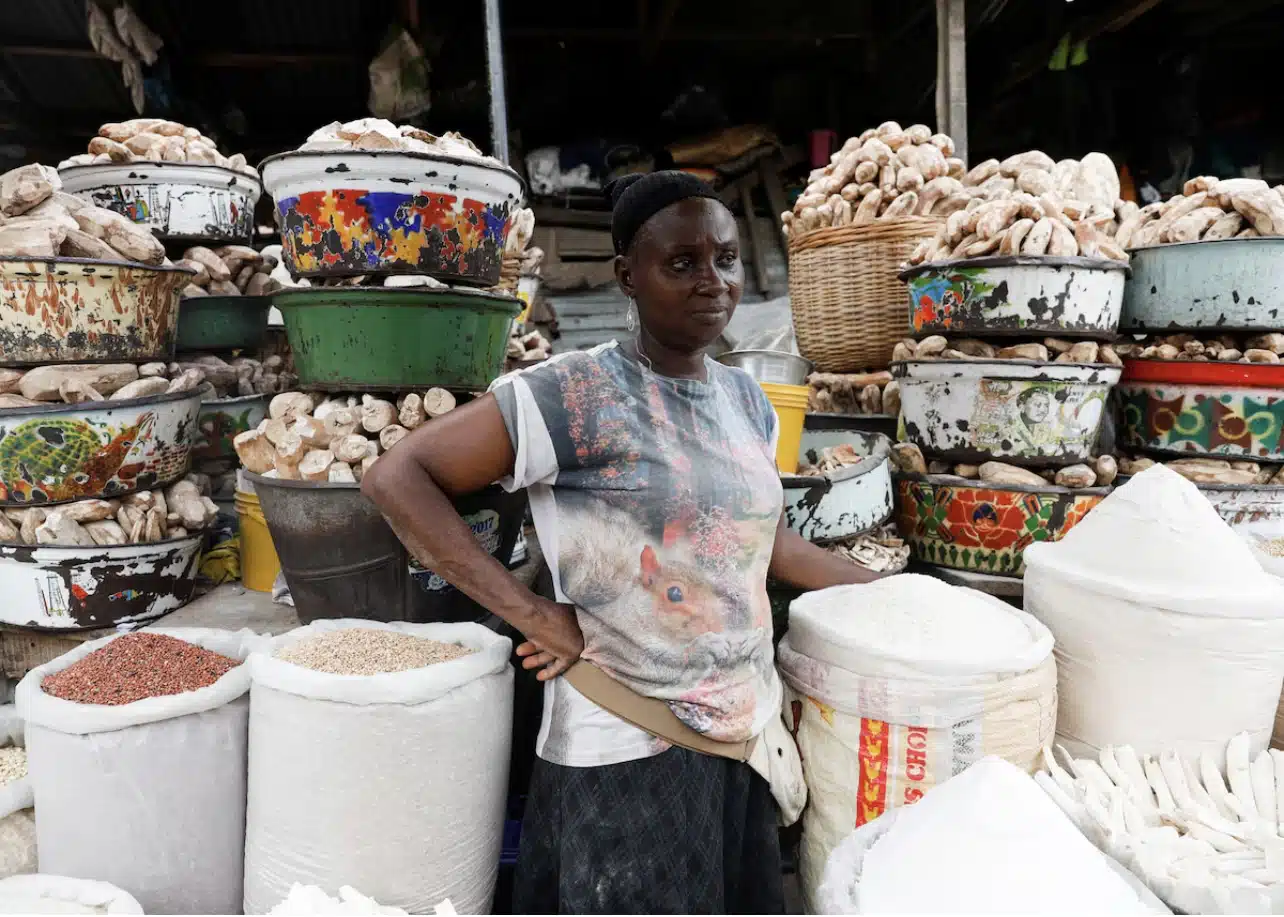
The CBN’s disinflation outlook is anchored primarily on easing food inflation, which it expects to slow at a faster pace as supply conditions improve.
According to the report, increased food output following agriculture-focused reforms, better security across major food-producing regions and favourable weather conditions should support a sustained moderation in food prices through 2026.
Fuel prices are also expected to soften under the base-case scenario, as competition intensifies within Nigeria’s midstream oil segment.
“Inflation is expected to continue its downward trend in 2026,” the report read. “The anticipated moderation would be driven by declining food and PMS prices.”
The outlook is further reinforced by expectations of continued stability in the foreign exchange and energy markets, alongside the delayed transmission of previous interest rate hikes and closer coordination between fiscal and monetary authorities.
Phased targets to anchor prices
Beyond the near-term forecast, the CBN’s has introduced phased inflation targets, signaling a shift toward clearer forward guidance aimed at locking in recent disinflation gains and strengthening policy credibility.
Under the phased approach, the bank has set a transitional target range of 16.5 to 18.5% for 2026, narrowing further to 13 to 15% by 2027. The targets are intended to serve as a medium-term guide while institutional and operational conditions are put in place.
“The initial phase features the introduction of transitional inflation targets designed to enhance policy credibility, reinforce the central bank’s commitment, and guide expectations across government, markets, and the public,” the CBN said.
The move places greater emphasis on expectation management at a time when price pressures are becoming more responsive to policy signals.
Risks tilt to the upside
Despite the improving outlook, the balance of risks remains tilted to the upside.
The CBN flagged potential pressure from higher global commodity prices should geopolitical tensions in parts of Europe and the Middle East persist, alongside rising protectionism that could raise trade costs and disrupt supply chains.
Domestically, higher-than-expected pre-election spending, extra-budgetary outlays, renewed insecurity in food-producing regions and adverse weather conditions could all undermine the projected disinflation path..
Monetary stance in 2026
On monetary policy, the apex bank noted that lending conditions in 2026 are expected to be “relatively loose”, reflecting the projected easing of inflation and currency pressures.
Even so, the CBN signalled it would remain focused on anchoring expectations and preserving financial stability.
“In line with its price stability mandate, the Bank will deploy appropriate tools to anchor expectations, foster financial stability, and promote confidence in the economy,” the report said.
Measures to stabilise the forex market are expected to help moderate the growth of monetary aggregates next year, even as external conditions and fiscal operations continue to shape liquidity dynamics.
The bank’s largely steady policy stance through 2025 suggests officials remain cautious, prioritising credibility and currency stability over an early easing cycle.