


Zimbabwe’s inflation in local currency has returned to single digits, marking a rare turning point for an economy long associated with hyperinflation, currency collapses and chronic price instability.
Official data show annual inflation slowed sharply to 4.1% in January, from 15% in December and 10.1% a year earlier, as the country’s gold-backed currency strengthened on the back of record bullion prices.
The reading represents Zimbabwe’s lowest inflation rate since 1997, and the fastest pace of disinflation in nearly six years.
At the centre of the shift is the ZiG (Zimbabwe Gold), the country’s sixth attempt at a functioning local currency since 2009. Following its launch in April 2024 after years of failed monetary experiments, the unit, partially backed by gold and foreign reserves, lost over 48% of its value in six months.
However, the currency has shown early signs of recovery in recent months, trading at 25.98 per dollar at the end of last year — its strongest level since January 2025, according to Bloomberg data at that time. The rally has been supported by rising global gold prices and a gradual accretion of external reserves.
Gold surged to a fresh all-time high this week, crossing $5,100 an ounce, extending a record-breaking run that has provided critical backing for Zimbabwe’s fragile currency framework.
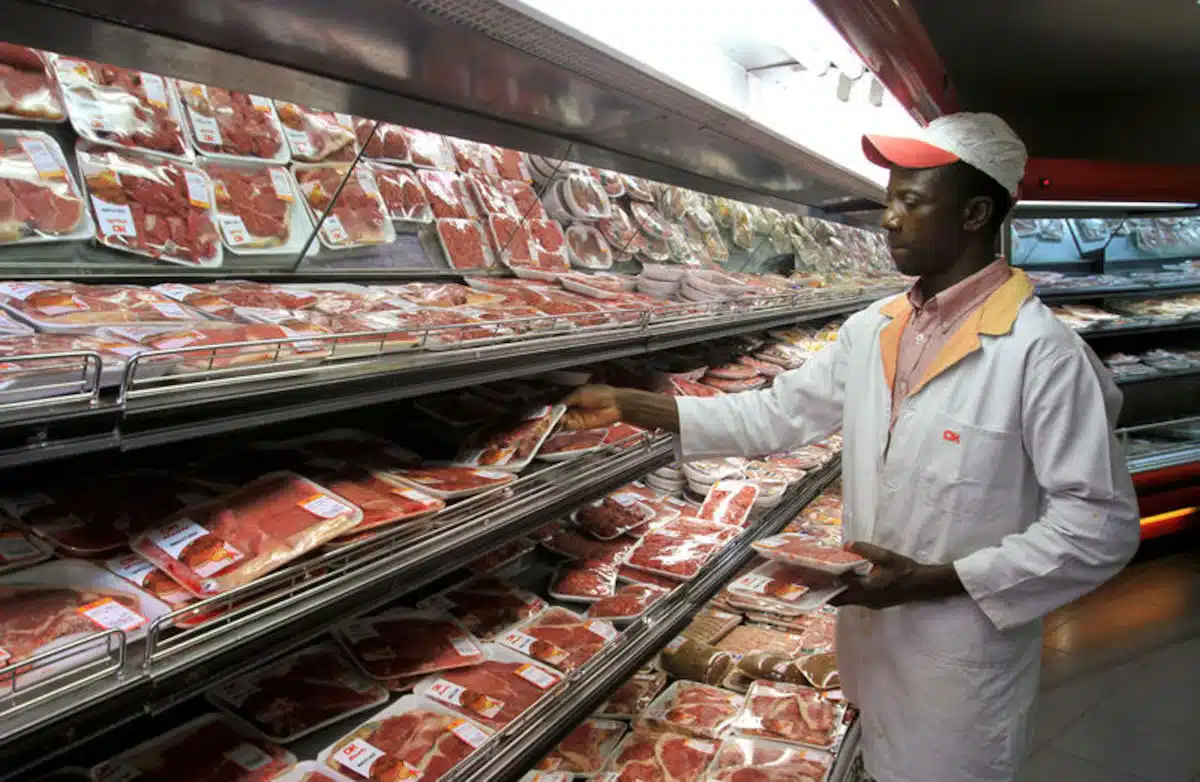
Economists say the sharp fall in inflation could begin to ease cost-of-living pressures and help restore confidence among consumers and investors after years of economic downturn.
Broad-based slowdown
The slowdown has not been limited to local-currency prices.
US dollar inflation also slowed significantly, dropping to 1% in January from 12.4% in December, after peaking at 14.6% in January 2025.
Analysts attribute the broad-based moderation to a combination of tough monetary conditions, improved supply chain and relative stability in foreign exchange markets.
At 35%, Zimbabwe holds the most restrictive policy rate in Africa, reflecting the authorities’ hawkish stance against inflation.
“This marks a historic moment for Zimbabwe, coming nearly three decades after the country last recorded single-digit inflation in domestic currency,” finance minister Mthuli Ncube said in an emailed statement to Bloomberg.
The January outcome also exceeded industry expectations.
After inflation fell sharply to 32.7% in October from 82.7% in September, the Confederation of Zimbabwe Industries (CZI) had forecast a further 50% decline by the end of the year.
At the time, the group projected inflation would settle in a range of 15% to 20% by December 2025, making the latest figure significantly stronger than anticipated.
Foreign assets surge
The improved inflation profile has been reinforced by a rapid accumulation of foreign assets backing the ZiG.
Finance ministry data show foreign assets supporting the currency rose to $1.2 billion by December, up from $276 million in April 2024, coinciding with the recent bullish gold run.
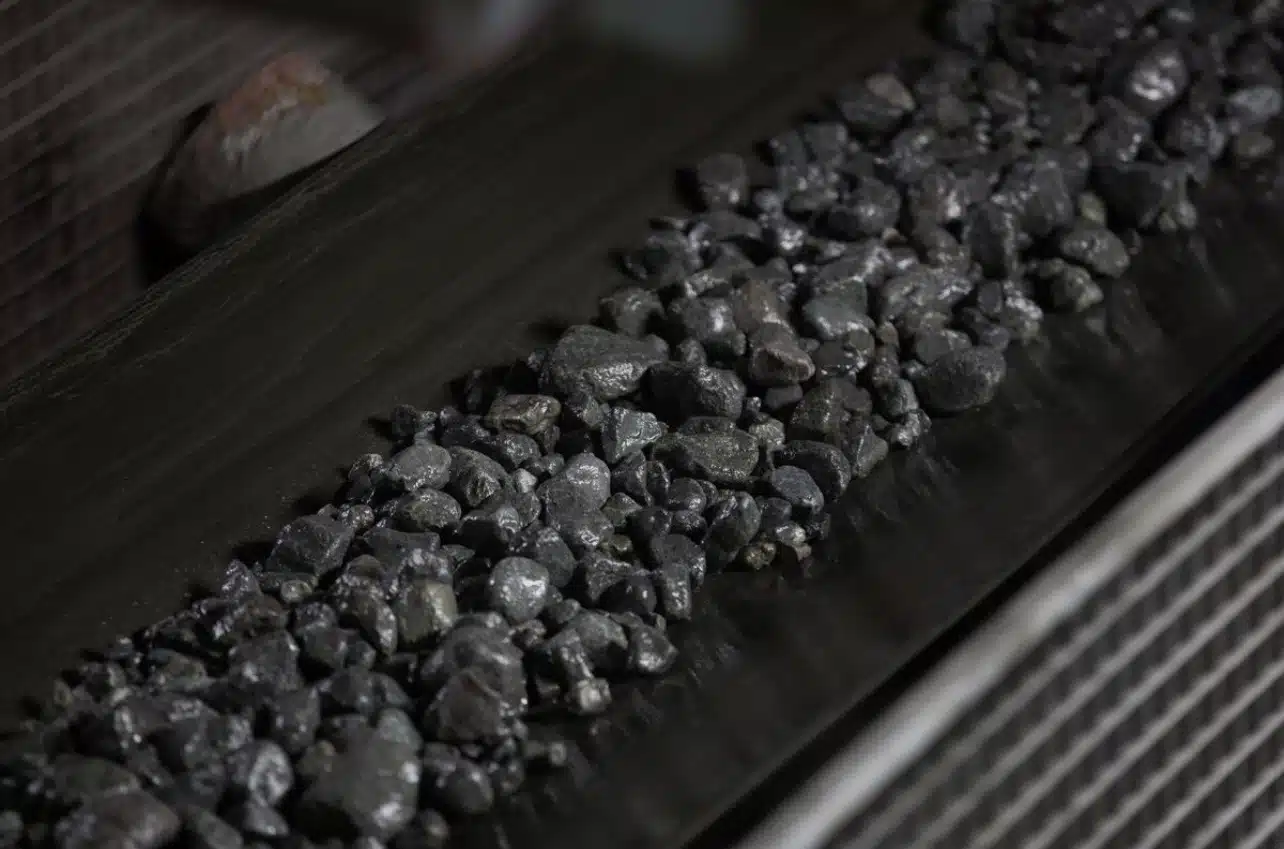
The unit is currently backed by 2.5 tonnes of gold and $100 million in international reserves, making bullion central to its credibility. With prices remaining elevated, gold production is expected to exceed the record 46.7 tonnes produced in 2025.
As confidence in the currency improves, domestic adoption has also grown.
Following a prolonged period of dollarisation, the ZiG now accounts for almost 40% of daily transactions, up from about 30% in February 2025, according to official estimates.
Oxford Economics notes that the currency has remained broadly stable in official markets, with a parallel-market premium of around 20%. The ZiG traded at 25.6/$1 at the central bank’s official window as of January 26, 2026.
Part of a wider African shift
Zimbabwe’s return to single-digit inflation places it alongside Ghana and Ethiopia.
Africa’s largest gold producer saw inflation fall into single digits at 9.4% in September and has remained below 10% since, supported by strong export earnings and a rebound in the cedi.
Ethiopia followed in December, ending 2025 with inflation at 9.7%, its lowest level in seven years, as tighter monetary policy and external reforms began to stabilise prices.
In all three countries, higher gold prices have strengthened foreign reserves and supported local currencies, helping to anchor inflation expectations.
For Zimbabwe, the latest data offer much-needed relief for households and businesses still recovering from years of elevated price growth and currency volatility. Authorities also hope that the dip would further support the uptake of the local currency.
However, economists caution that the recovery remains fragile. While the disinflation trend points to improving macroeconomic conditions, structural vulnerabilities including lingering exchange-rate distortions continue to pose risks.
The government has pledged to maintain a tight policy stance, vowing to pursue coordinated monetary and fiscal measures to consolidate recent gains and entrench price stability.