
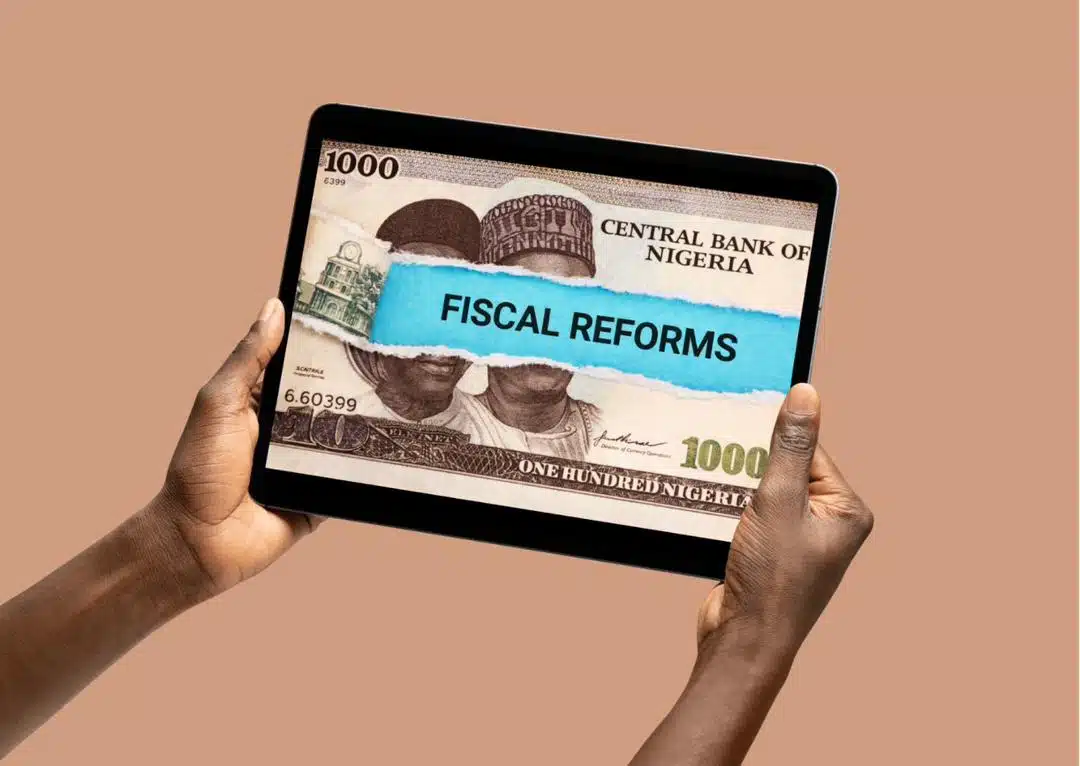


Nigeria faces a fiscal year in 2026 that could redefine how the government manages its finances.
According to PwC’s 2026 Nigeria Economic Outlook, the administration plans a deliberate shift toward sustainability during the year, “leaning on institutional reforms and selective asset divestments as complementary tools rather than core deficit-financing mechanisms.”
Cash management and the Treasury Single Account (TSA), together with integrated revenue platforms, lie at the heart of this effort, giving the government a clearer picture of its finances.
Public-Private Partnerships (PPPs) and asset concessions are also set to ease the fiscal burden without slowing infrastructure delivery.
Together, these measures aim to boost investor confidence and improve the country’s sovereign risk profile, paving the way for more predictable spending and access to lower-cost external financing throughout 2026.
Can this work in Nigeria?
Countries that have implemented disciplined fiscal reforms, cash management improvements, and well-structured PPPs show that these policies can change economic outcomes in measurable ways, not just on paper but in growth, stability, and investor confidence.
Take Chile, for example. After tightening fiscal discipline and enhancing transparency in public finances, the country saw inflation sharply decline from over 11% in the years following the pandemic to around 4% by late 2024 while stabilising its economy with moderate growth around 2.0–2.4 percent in 2024–2026.
Centralised treasury control and strict oversight of public expenditures allowed the government to better forecast obligations and reduce fiscal stress, giving investors confidence in its ability to honour commitments.
Real GDP, which had dipped following tremendous pandemic-era stimulus, regained steady momentum, and fiscal policy reforms helped narrow deficits and reinforce debt sustainability without reverting to disorderly borrowing.
Morocco offers another instructive example in Africa. Structural and fiscal reforms including broader tax bases and better revenue management have contributed to inflation falling dramatically from about 6% in 2023 to under 1% in 2024 and helped the country reduce its fiscal deficit to around 4.1% of GDP, better than projected, while real GDP growth remained positive at about 3.2% in 2024 and is expected to rise further in 2025.
By relying on asset concessions and integrated revenue frameworks, Morocco strengthened fiscal transparency, improved sovereign risk perception, and gained access to lower-cost financing.
These results are not coincidences: they come from disciplined budgeting, improved revenue capture, and credible policy frameworks that reassure investors and permit more predictable economic planning.
What these cases show in common is that good fiscal frameworks do more than contain deficits, they reshape expectations and reduce uncertainty. Nigeria can learn from this pattern.
If its cash management systems, TSA visibility, and PPP frameworks are implemented with the same consistency and transparency, they can strengthen credibility and attract investment in ways that go beyond temporary financing fixes.
Instead of firing up growth with debt alone, Nigeria can create confidence-led growth anchored in stable institutions, much like Chile and Morocco have.
Why achieving this may be challenging
Despite its promise, the Nigerian context presents significant challenges that could limit the effectiveness of these reforms. In other countries, similar initiatives have faltered when institutional capacity, political stability, or enforcement mechanisms were weak.
Kenya, for example, faced difficulties implementing centralised cash management and revenue reforms as political interference and uneven adoption across ministries left significant leakages, undermining fiscal credibility.
Pakistan’s efforts to reduce the fiscal burden through asset divestments and PPPs were slowed by political cycles and weak regulatory enforcement, leaving contingent liabilities of over $1.7 billion (Rs 472 billion) on the government balance sheet.
Even in Brazil, early PPP projects during the 2000s experienced cost overruns and stalled timelines. According to a development bank report, these challenges were driven by bureaucratic overlaps and legal delays, which disrupted execution and increased perceived project risks.
Nigeria exhibits several of these risk factors today. Ministries and agencies remain fragmented, overlapping budget cycles and legacy obligations persist, and political priorities can shift abruptly, making consistent execution challenging.
Revenue volatility from oil and commodity dependence adds another layer of uncertainty, while weak legal enforcement and uneven regulatory capacity could complicate PPP contracts and asset concessions.
If these structural and political challenges are not actively managed, the reforms risk producing only partial gains or being undermined by implementation failures.
Understanding how and why similar strategies faltered elsewhere can provide Nigeria with valuable lessons, emphasising the importance of not just planning reforms, but ensuring they can withstand the realities of governance and institutional constraints.
What the success of the reforms mean for the economy
If effectively implemented, the fiscal strategy would improve predictability across the Nigerian economy. Better cash management and coordination through the TSA could reduce delayed payments to contractors and service providers, lowering project disruptions and cost overruns.
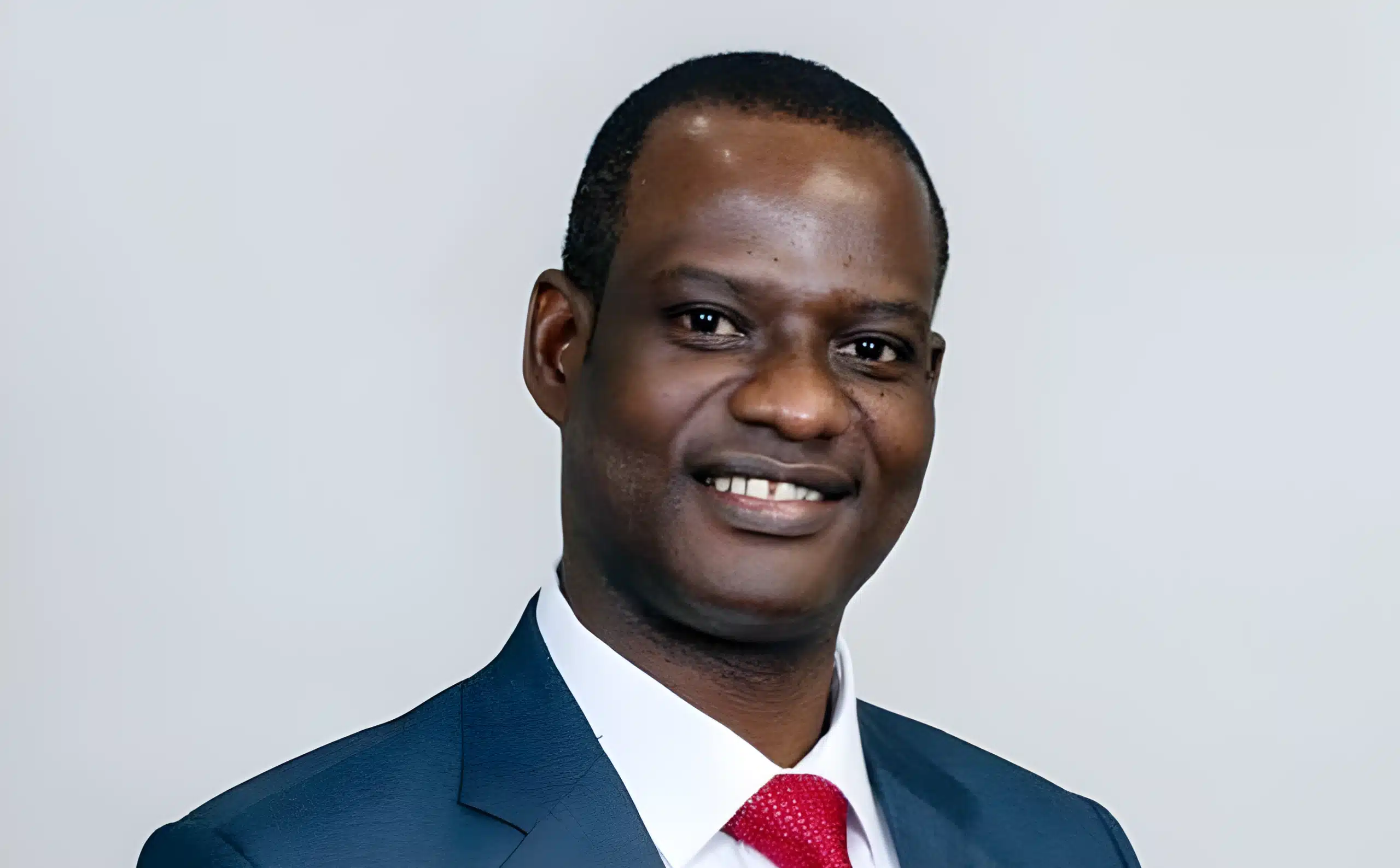
As Sam Abu, Senior Partner for PwC Nigeria observed, if this stability is translated into economic growth, “it will provide a more predictable operating environment for companies in making decisions regarding planning, investment and growth”.
Public-Private Partnerships and asset concessions would give firms in infrastructure, energy, and transport clearer pathways to participate in projects without relying solely on government funding. The key benefit is not more spending, but more reliable execution and enforceable commitments.
For investors, stronger transparency and centralised cash control signal improved fiscal discipline and lower perceived risk. Reflecting this shift, Sam Abu also noted during the PwC & BusinessDay Executive Roundtable on Nigeria’s 2026 Budget and Economic Outlook that discussions are increasingly centred on “capital allocation and balance-sheet discipline” as macro-fiscal conditions stabilise.
Sectoral impacts would vary. Infrastructure and construction could see more structured project pipelines, energy and utilities could expand capacity through private capital, and financial services could benefit from clearer fiscal signals. Consumer-facing sectors may also gain indirectly from steadier government spending.
As the International Monetary Fund noted, recent reforms have already improved macroeconomic stability and investor confidence, supporting Nigeria’s return to international capital markets.
If sustained, this strategy could turn fiscal reform into tangible gains for businesses, investors, and the broader economy, provided execution remains credible and revenue assumptions remain realistic.