



The majority of Nigerian chief executives are stepping into 2026 with growing confidence that improved business conditions at home will translate to stronger earnings even as risks deepen.
This sentiment is one of the clearest signals from PwC’s 29th Annual Global CEO Survey: Nigerian Perspective, which shows rising optimism about firms’ near-term outlook backed by firmer macroeconomic conditions.
The survey, conducted between September 30 and November 10 2025,” draws insights from 4,454 CEOs across 95 countries and territories, including Nigeria and was conducted between September 30 and November 10 2025.
According to the report, nine in ten Nigerian business leaders (91%) expect the country’s economic growth to strengthen over the next 12 months, up sharply from 64% in 2025.
PWC says the jump in optimism reflects “a significant improvement in CEOs’ views of the local operating environment” after a period dominated by inflation, currency instability and policy uncertainty.
This growing confidence is not limited to the domestic economy alone, with 81% of respondents expecting the global economy to improve in 2026, compared with 61% a year earlier. Still, the survey suggests that global optimism has not translated directly into international risk-taking.
The brighter macro view is feeding through to company-level expectations, with more than half of Nigerian CEOs (56%) saying they are very or extremely confident in their companies’ revenue growth over the next 12 months.
This figure reflects an uptick from 50% in 2025 and is well above the global average of 30%, placing Nigerian executives among the most upbeat worldwide on short-term revenue prospects.
What is driving the turnaround
Macroeconomic pressures that dominated boardroom discussions in 2024 have eased materially recently, underpinning the improvement in sentiment.
The share of Nigerian CEOs who say they are highly or extremely exposed to inflation fell to 34% from 58% a year earlier, while perceived exposure to macroeconomic volatility declined to 25% from 39%.
Nigeria’s inflation, though still elevated, moderated sharply through 2025, supported by a more stable naira and ongoing economic reforms. By December, headline inflation stood at 15.5%, its lowest level in more than five years.
PwC says these developments have helped restore a degree of predictability to pricing, costs and planning horizons, contributing to the improvement in short-term business confidence.
A shifting threat landscape
As macroeconomic pressures ease, firm-level risks are moving to the forefront. Cybersecurity vulnerabilities and the availability of key skills are now the most cited threats, each flagged by 38% of Nigerian CEOs. Exposure to cyber risk has risen sharply from 25% in 2023, reflecting deeper digitalisation and growing reliance on data and technology.
Concern about technological disruption has also increased, underscoring the challenge of adopting AI and other emerging technologies at scale while managing governance and security. Tariffs and trade policy remain a worry for 22% of CEOs, even as nearly half say potential tariff changes would have little or no impact on profit margins.
Against the backdrop of Nigeria’s 2025 tax reforms, one in four CEOs expect to restructure their tax obligations over the next three years, highlighting the continued importance of regulatory and fiscal strategy.
Geopolitical exposure remains a major concern
Around a quarter of Nigerian CEOs say they are highly or extremely exposed to geopolitical threats, unchanged from last year, even as the global figure edged higher. This persistence helps explain why optimism about the next 12 months fades when executives look further ahead.
In 2026, 56% of Nigerian CEOs say they are very or extremely confident about their companies’ revenue growth over the next three years, slightly down from 58% in 2025. PwC observes that this mirrors a broader trend across Africa and globally, reflecting “a shifting geopolitical landscape, the recession of globalisation, and long-term structural changes reshaping the global economy”.
The result is a two-speed outlook: confidence in near-term execution at home, paired with restraint over longer-horizon bets that depend on stable trade rules, capital flows and geopolitics.
Scaling back cross-border ambition
Despite the upbeat business outlook and rising confidence, Nigerian executives are pulling back from geographic expansion plans.
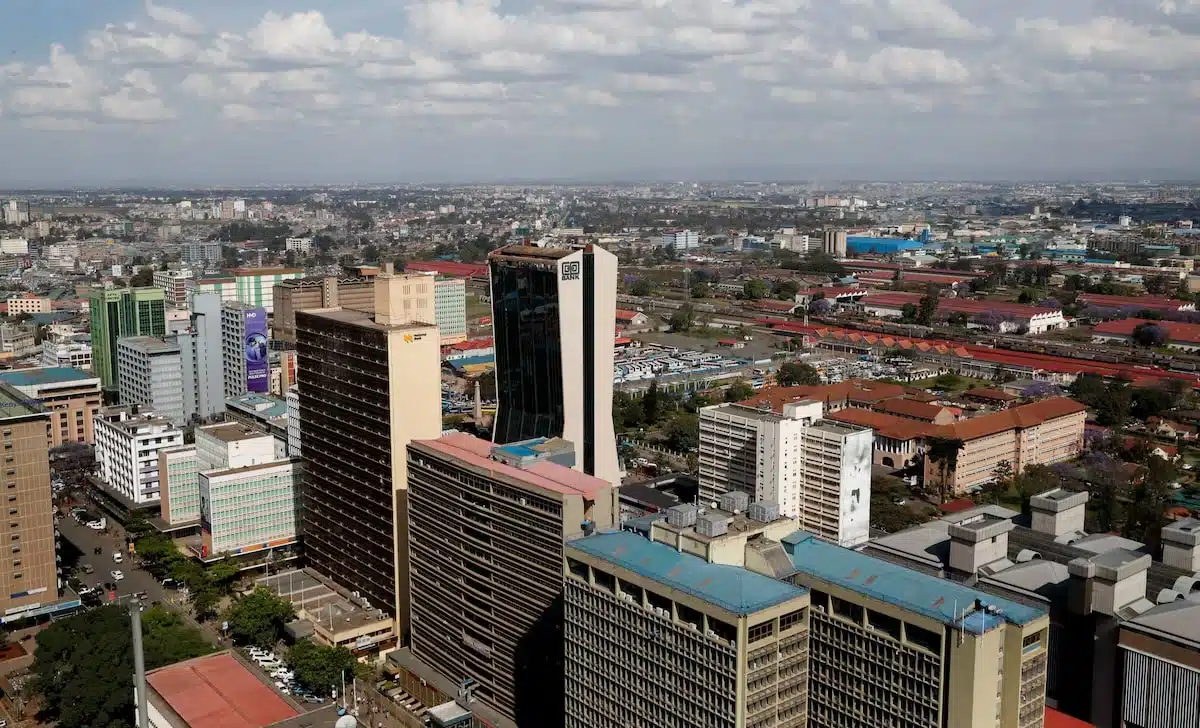
Fifty-six respondents say they do not plan to make international investments in the next 12 months even as new opportunities emerge across Africa. Where cross-border expansion is on the agenda, it is concentrated in a narrow set of markets, led by Ghana and Kenya.
This marks a shift from last year, when enthusiasm for regional growth was stronger. The retreat is notable given that regional economies are becoming more accessible through trade reforms, infrastructure investment and the gradual implementation of the African Continental Free Trade Area (AfCFTA).
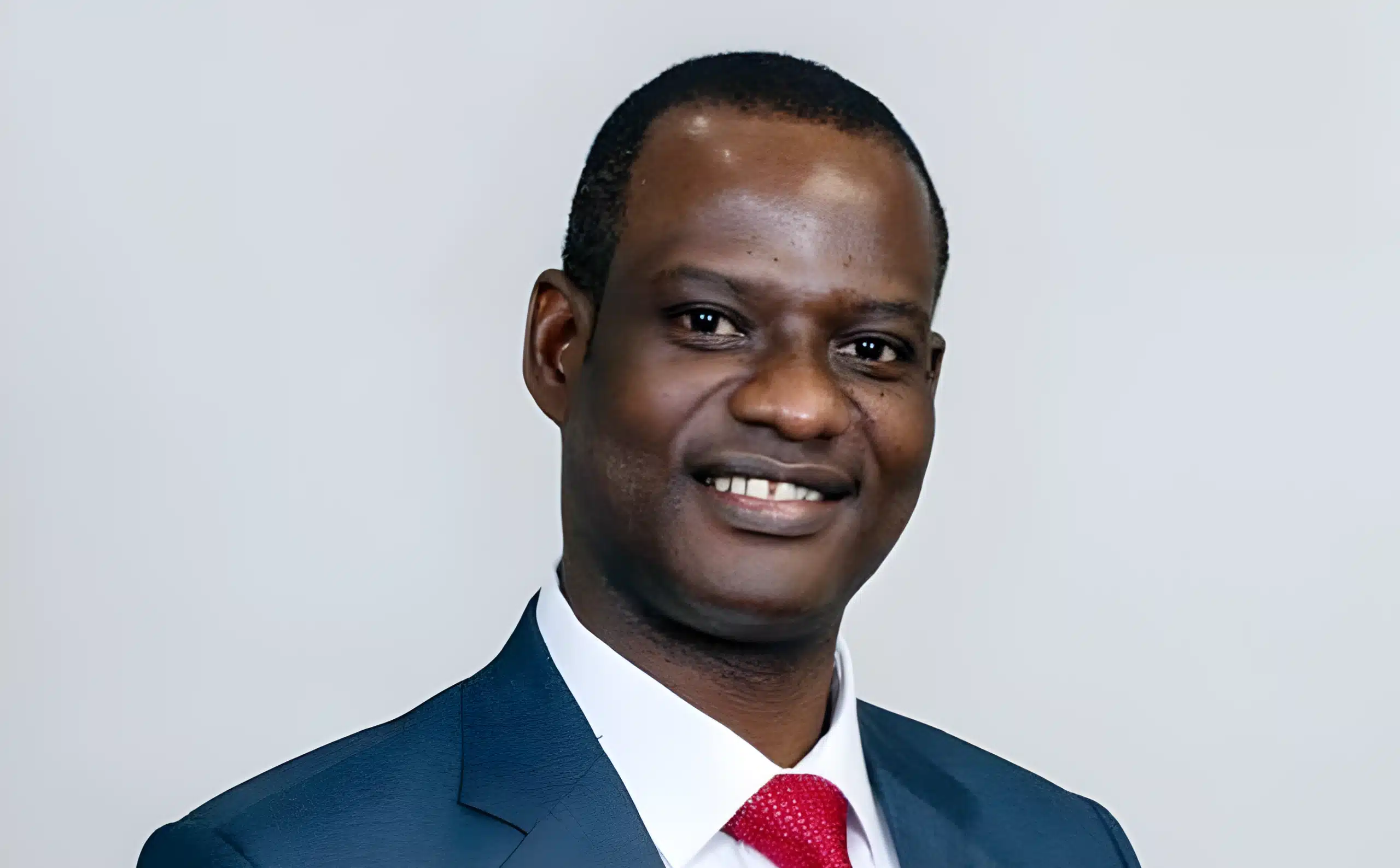
“The data shows that many CEOs are taking a cautious approach to geographic expansion, even as opportunities across African markets continue to open up,” said Pedro Omontuemhen, partner and clients & markets leader at PwC Nigeria. “Improved macro stability and trade integration are creating new growth pathways, but capturing them requires more deliberate positioning.”
He added that “CEOs that make bold, focused expansion choices, aligned to demand, capability, and execution strength, will be better placed to scale and compete as regional markets become more integrated under the AfCFTA framework”.
Growth anchored on diversified business mix
Instead of broad cross-border expansion, many Nigerian CEOs are focusing on reinvention within and around their core businesses. Nearly half (47%) say their companies have begun competing in new sectors or industries over the past five years, supported by changing demand patterns, better access to funding and government reforms.
Technology is the most frequently cited sector for expansion over the next three years, followed by power and utilities, telecommunications, and asset and wealth management. Other industries with deepening appeal include hospital and leisure, mining and metals, and oil and gas.
PwC says this mix reflects both structural demand and policy-driven opportunities, particularly in energy, digital services and financial intermediation.
Innovation is central to these plans. Almost half of Nigerian CEOs describe innovation as a critical component of their overall strategy, while 34% say they are working extensively with suppliers, start-ups or universities to accelerate innovation efforts.
Deals, but with restraint
Nigerian CEOs are also taking a measured stance on merger and acquisition plans.
Thirty-eight per cent of the survey’s respondents say they plan to make at least one major acquisition — defined as more than 10% of company assets — over the next three years. However, most expect to complete only one or two transactions, and just 9% anticipate more than four.
This caution sits alongside signs of deal momentum in the wider economy. Nigeria recorded notable transactions in power and utilities and oil and gas in 2025, while banking recapitalisation is expected to drive consolidation in financial services. PwC notes that a smaller group of CEOs — around 16% — are already positioning to pursue large-scale investments despite geopolitical and trade uncertainty, suggesting scope for higher deal activity in 2026.
What comes next
PwC’s survey points to a clear set of priorities for Nigerian CEOs going forward: sharper execution on innovation, disciplined capital allocation, and resilience business models that drive sustainable growth.
As the risk landscape evolves, executives are taking a harder look at whether their organisations are moving quickly enough to stay competitive and viable over the long term.
In the near term, they expect improving macro trends to continue supporting balance sheets, giving room to accelerate expansion into new sectors — even as appetite for foreign market entry remains subdued.