


Following the completion of the fourth review of Burkina Faso’s Extended Credit Facility (ECF) arrangement, the IMF has made a disbursement of about $33.2 million (SDR 24.08 million) and also approved a new Resilience and Sustainability Facility (RSF) arrangement of about US$124.3 million through September 2027 to strengthen external stability and climate resilience.
According to a press release on the 19th February 2026, their Executive Board has completed the fourth review under the 48-month ECF arrangement that was approved in September 2023. Despite persistent security challenges and humanitarian pressures, the IMF’s assessment was notably positive, citing exceptional resilience in Burkina Faso’s economy.
Mining boom drives surplus
A primary driver of this economic stability has been a historic surge in gold prices, which reached record levels in early 2026. This rally, combined with aggressive mining sector reforms by the government of Captain Ibrahim Traoré, has shifted the country’s current account from a deficit to a projected surplus of 1.1% of GDP for 2025 and 0.8 percent in 2026.
“Burkina Faso’s economy has proven resilient amid security and humanitarian challenges,” stated Mr. Kenji Okamura, IMF Deputy Managing Director. ” Sound economic policies to improve governance and domestic revenue mobilization have contributed to creating fiscal space and supporting recovery, while keeping inflation under control and public debt on a sustainable path”
Resilience against climate shocks
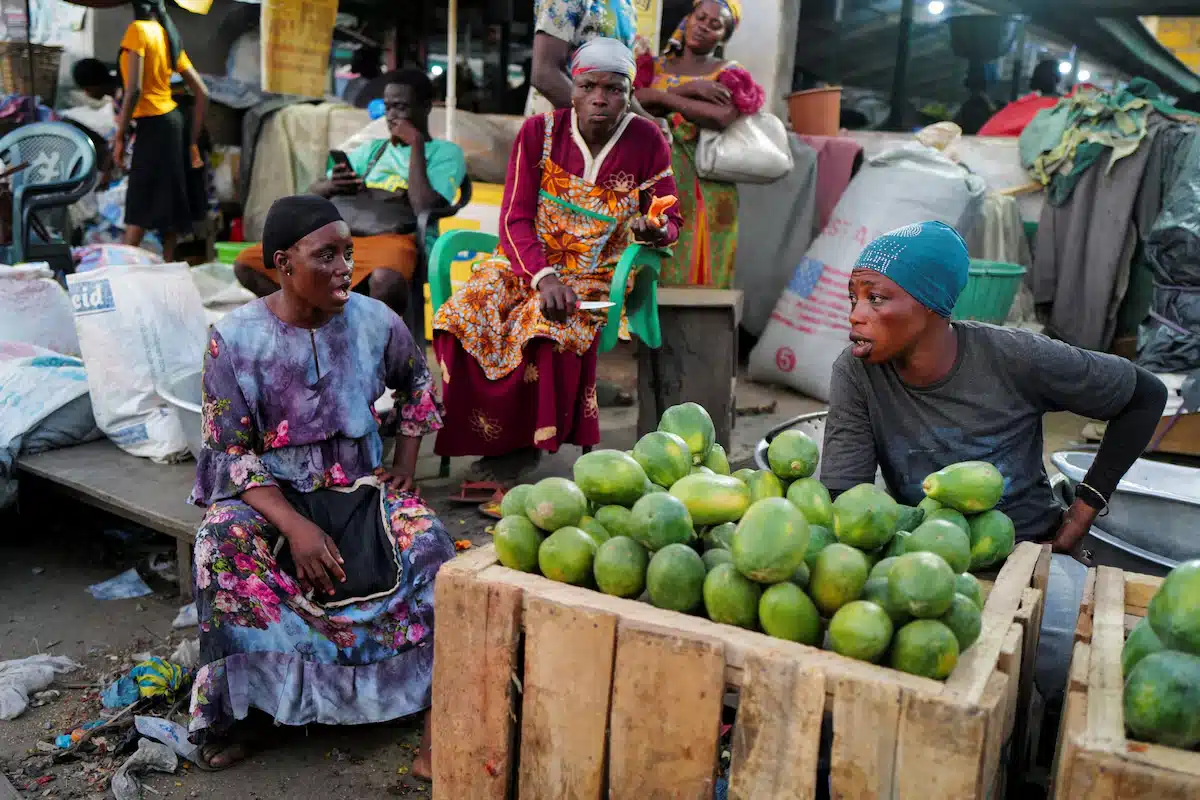
The newly approved Resilience and Sustainability Facility (RSF), running through September 2027, is designed to shield the nation’s most vulnerable. With 80% of the population dependent on subsistence farming, the $124.3 million is earmarked for boosting Agricultural Resilience given the harsh local climate. The fund will also be geared towards disaster risk finance lowering the periodic needs for emergency food imports.
Governance reforms ahead
The IMF noted that while most targets were met, the government is yet to address all of the institution’s earlier governance concerns. The authorities noted that Burkina Faso already completed six of the eleven priority recommendations from the Governance Diagnostic Assessment (GDA), including strengthening the integrity of the mining licensing process.
Looking forward, the IMF projects a steady growth rate of 5.0% for 2026, though this remains contingent on improvements in the domestic security situation. The government has pledged to continue fiscal consolidation, aiming to keep the deficit within 3.5% of GDP while safeguarding spending on health and social protection.