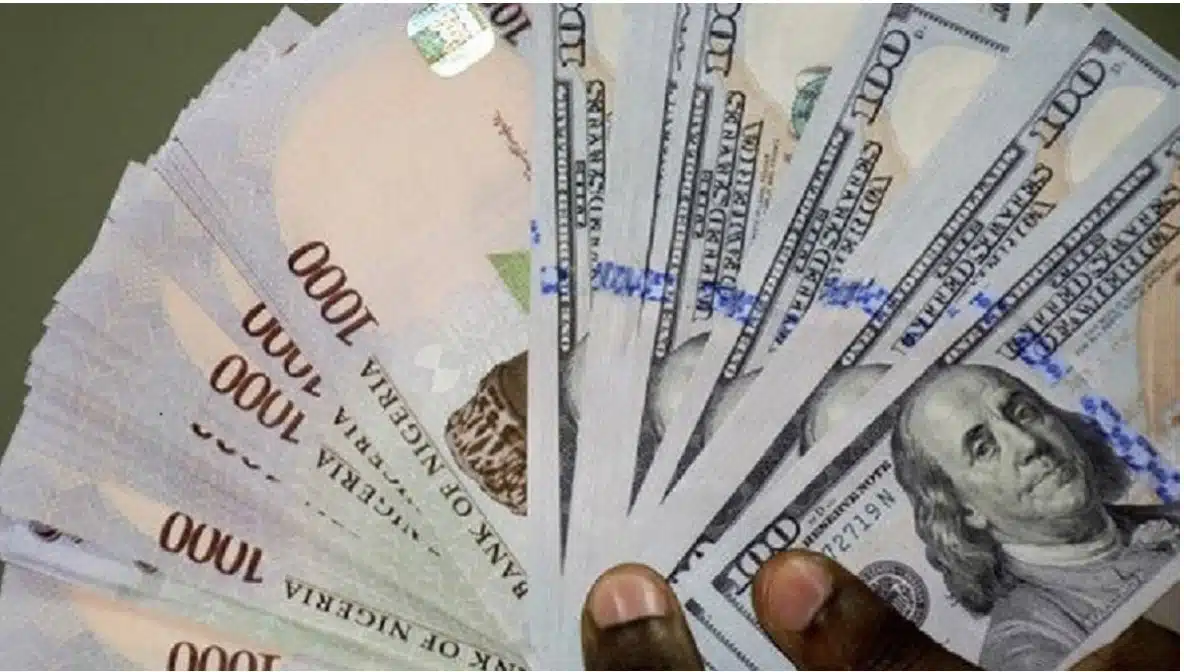

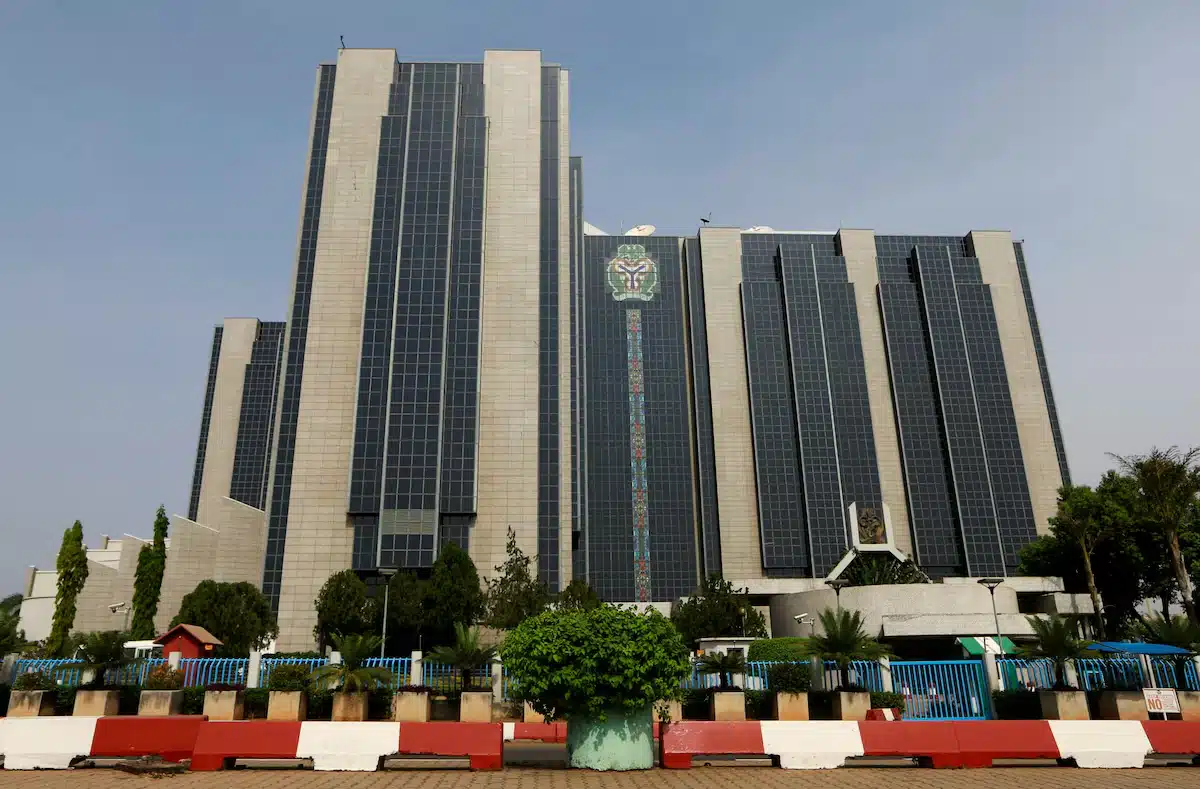


The Central Bank of Nigeria (CBN) has scheduled a $769 million (₦1.05 trillion) Treasury Bills auction for Thursday, March 5, 2026. This comes shortly after the Monetary Policy Committee cut the Monetary Policy Rate by 50 basis points to 26.5% on February 24, 2026, an initial move toward monetary easing as inflation pressures ease and external reserves strengthen.
The auction offers a total of $769 million (₦1.05 trillion), broken down into 91-day bills worth $73 million (₦100 billion), 182-day bills worth $110 million (₦150 billion), and 364-day bills worth $586 million (₦800 billion). The 364-day tenor dominates, consistent with recent patterns where longer maturities attract the strongest interest.
Bids will be submitted electronically by authorised money market dealers through the CBN’s Scripless Securities Settlement System (S4) between 8:00 a.m. and 11:00 a.m. on Wednesday, March 4, 2026. The auction uses the Dutch (multiple-price) system, meaning successful bidders pay their quoted price, with the lowest accepted yield setting the stop-out rate. Allotment letters will be issued on auction day, and payment from successful bidders is due then.
This issuance primarily helps meet the government’s short-term financing needs, including refinancing maturing obligations, while serving as a key risk-free benchmark for pricing other fixed-income instruments.
Broader context and market implications
This represents one of the first major Treasury Bills auctions since the MPC’s easing signal. Although the policy rate cut is intended to gradually lower borrowing costs, actual T-bill yields will depend on real-time factors such as system liquidity, investor sentiment, and expectations for future MPC decisions.
Recent auctions in early 2026 showed very strong demand, frequently with massive oversubscription, particularly on the 364-day tenor. High appetite has persisted because Treasury bills continue to offer attractive, low-risk yields in naira amid the CBN’s tight liquidity management. If this trend holds, the March 5 auction could see another robust turnout, potentially limiting how much yields decline despite the earlier rate cut.
The CBN is carefully balancing gradual policy easing with tight liquidity control through tools like open market operations. A large, well-subscribed auction allows the bank to absorb excess liquidity without resorting to aggressive new measures, helping maintain overall stability.
Key signals to watch
The stop-out rates especially on the 364-day bill, will reveal whether the market has fully priced in the easing cycle or if investors are still demanding a premium (for example, due to ongoing naira volatility, which was recently around $1 = ₦1,365–1,370 in both official and parallel markets as of March 3, 2026).
Post-auction yield movements in the secondary market often influence deposit rates, interbank rates, and other money market instruments. A repeat of strong oversubscription levels would further confirm sustained confidence in naira-denominated fixed income.
In summary, this $769 million (₦1.05 trillion) auction serves as an important pulse check on how investors are responding to the CBN’s early shift away from an extended high-rate regime.
Strong participation would signal enduring demand for government securities, while any meaningful yield compression could accelerate the pass-through of lower policy rates to the broader economy. Results are typically published shortly after the auction closes on March 5, offering fresh insight into fixed-income dynamics heading into mid-March 2026.