


The first quarter of the year closed under the shadow of a rapidly escalating geopolitical crisis, as the war launched on Iran by the US and Israel disrupted roughly a fifth of global oil supply, sending fuel prices soaring.
The ripple effects were quickly felt across African economies, where rising energy costs reignited inflationary pressures, eroded purchasing power and began to weigh on demand.
S&P Global’s latest Purchasing Managers’ Index (PMI) surveys suggest the impact of the war on private sector firms was both immediate and uneven. While business conditions deteriorated sharply in some of the continent’s largest economies in March, others managed to sustain momentum despite mounting external pressures.
The divergence points to a familiar vulnerability: economies more reliant on imported fuel, including Egypt, Kenya and Nigeria, came under increasing strain as higher input costs filtered through to businesses and consumers.
Elsewhere, Uganda, Zambia and Ghana showed greater resilience, supported by firm domestic demand and relatively stable cost conditions.
Worst-hit markets
Kenya and Egypt bore the clearest signs of distress as the Persian Gulf conflict fed into business activity.
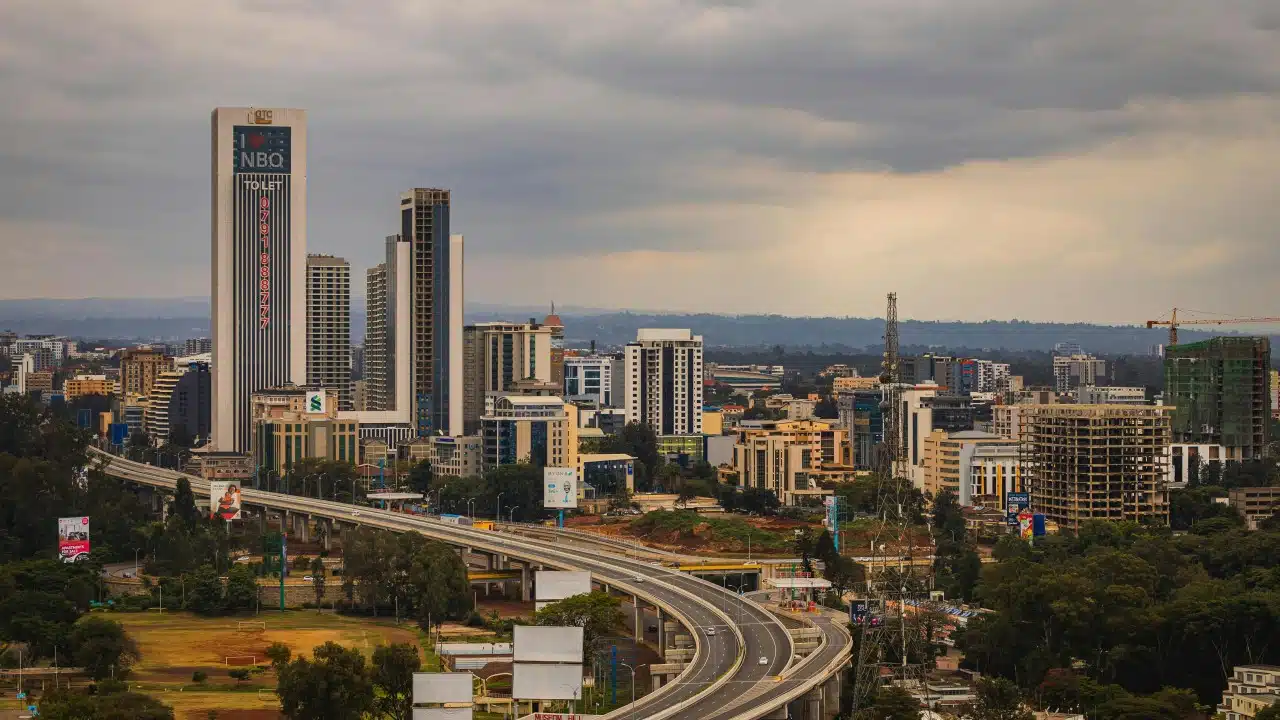
In Nairobi, firms reported a solid decline in output and new orders following six months of expansion, citing constrained customer spending, tighter household budgets and reduced cash circulation. As a result, the headline PMI fell sharply to 47.7 from 50.4 in February.
The war’s impact extended beyond prices, disrupting logistics and raising fuel and transport costs, compounding pressure on already fragile demand. While input costs rose, weak sales limited firms’ ability to pass these increases on, squeezing margins.
Even so, survey data pointed to a degree of resilience in sentiment. “The year-ahead outlook for total activity was broadly unchanged since February, with just over a fifth of respondents forecasting growth,” the survey read in part.
Egypt’s downturn was more pronounced. The PMI fell to 48.0, a 23-month low, pushing business activity deeper into contraction as output and new orders declined at their fastest pace in nearly two years.
“Panellists responding to the survey frequently reported that the Middle East war had dampened client demand, partly through an increase in price pressures,” S&P Global said.
With input costs rising sharply across Egypt, business expectations turned negative for the first time on record, underscoring the depth of the oil supply shock.
Nigeria, while still expanding, showed similar pressure points. The PMI eased to 51.9 from 53.2 in February as higher petrol costs drove purchase prices up at the fastest pace in 15 months, forcing firms to raise selling prices.
While output and new orders remained relatively resilient, persistent fuel-driven inflation is beginning to cloud the near-term growth outlook.
Uganda leads resilient markets despite cost pressures
By contrast, Uganda, Zambia and Ghana recorded improvements in business conditions, supported largely by strong domestic demand.
Uganda’s PMI held at 54.3 in March, marking a fourteenth consecutive expansion and the strongest performance among the surveyed economies. The upturn reflected stronger output and new orders, alongside increased hiring and purchasing activity.
Even as fuel and utility costs rose, firms were able to pass these increases on to customers, pointing to healthier demand conditions.
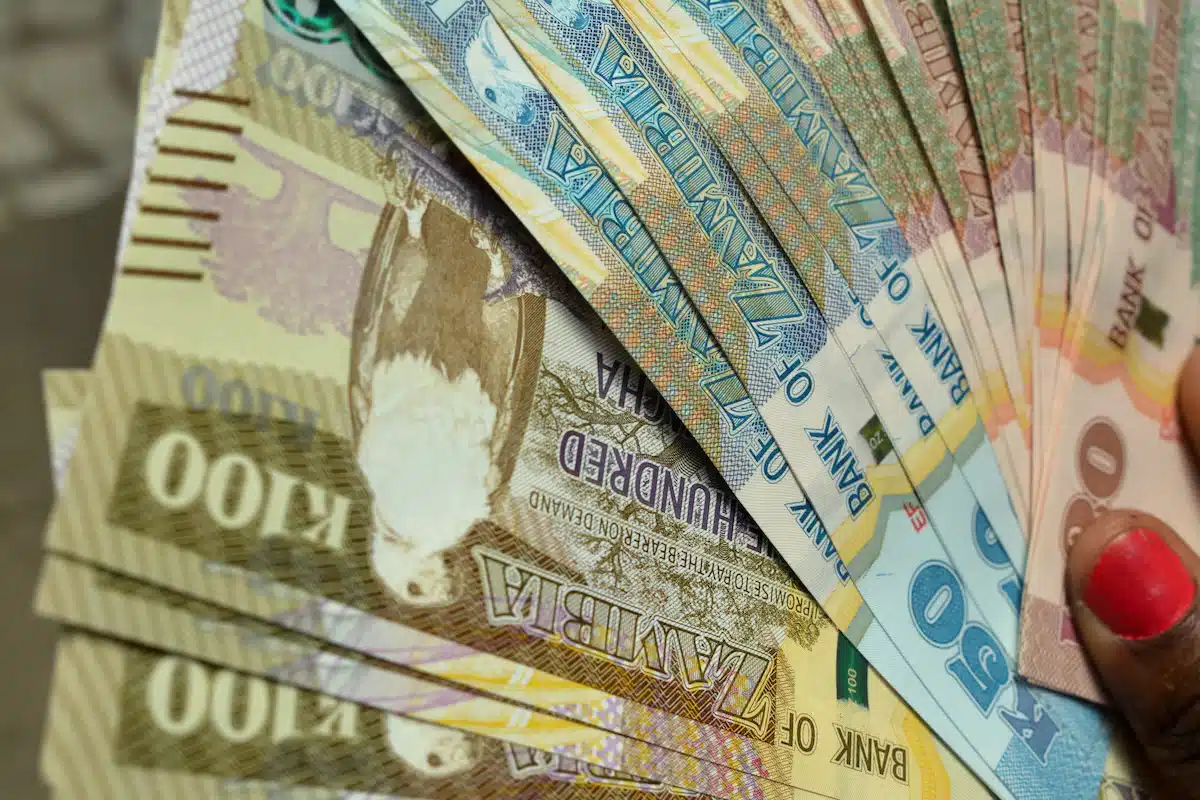
At the same time, Zambia returned to expansion, with output and new orders rebounding despite supply chain disruptions linked to the conflict, which contributed to longer delivery times.
Ghana posted a similar recovery, with its PMI rising to 51.4 as new order growth supported output and hiring. This was the sector’s first expansion in three months.
“Despite the generally positive picture, there were some initial concerns regarding the potential impact of the war in the Middle East on prices,” said Andrew Harker of S&P Global Market Intelligence, pointing to emerging cost risks in Accra.
Meanwhile, South Africa and Mozambique presented a more mixed picture. Business activity in Pretoria improved for the first time in six months, with the PMI rising to 50.8, supported by gains in output, employment and inventories.
However, the regional conflict weighed on new business volumes through supply chain constraints and client hesitancy, underlining the fragility of the recovery.
At 50.2, Mozambique’s PMI remained unchanged from February, even as sales and business activity picked up, keeping the sector in modest expansion.
The latest S&P survey suggests firms in the East African nation are yet to feel any immediate impact from the Iran war. However, rising oil prices could push inflation higher in the near term, posing a significant risk.
“The Iran war implies rising inflation risks,’ said Fáusio Mussá, Chief Economist at Standard Bank Mozambique, noting that those concerns have prompted the central bank to pause a two‑year rate easing cycle.
A fragile reprieve
The mixed performance comes as Tehran announced a two-week ceasefire and the reopening of the Strait of Hormuz on Tuesday, as the US moves to temporarily ease the oil supply shock, offering some reprieve for African businesses after a month of intense cost pressures.
The pause should help steady energy markets, although underlying risks remain elevated.
For many economies, March served as an early stress test of how quickly external shocks can transmit through inflation, demand and business activity.
While some markets have demonstrated resilience, the divergence across countries highlights a deeper vulnerability tied to fuel import dependence and exposure to global price swings.
Should the conflict resume or escalate, the combination of rising costs and weakening demand could quickly reverse recent gains and push more economies into contraction in the months ahead.