


The World Bank has cut its 2026 economic growth projection for Sub-Saharan Africa to 4.1 per cent, a 0.3 percentage point reduction from the 4.4 per cent forecast issued in October 2025. This revised figure matches the lender’s unchanged outlook for 2025, indicating that the region’s post-pandemic momentum has plateaued in the face of fresh external shocks.
The downgrade, detailed in the bank’s latest regional economic update released on Wednesday, stems primarily from the US-Iran war that erupted in late February 2026.
Even with a subsequent two-week ceasefire between Washington and Tehran, the conflict has disrupted global energy markets, with roughly one-fifth of the world’s oil shipments passing through the Strait of Hormuz.
The US Energy Information Administration has cautioned that elevated fuel prices could persist for months, feeding directly into higher import bills across the continent.
Andrew Dabalen, the World Bank’s chief economist for Africa, highlighted the shift during a briefing: energy and fertiliser prices have risen sharply since the outbreak, creating a much tougher external environment than anticipated late last year. Fertiliser costs, in particular, have surged, threatening agricultural productivity in a region where farming remains a cornerstone of livelihoods and food security for hundreds of millions.
Debt burdens limit policy responses and amplify vulnerabilities
High and rising public debt levels are severely restricting governments’ ability to respond. Debt-servicing costs have climbed dramatically, doubling from around 9 per cent of government revenues in 2017 to approximately 18 per cent in 2025. Nearly half of Sub-Saharan African countries are now classified as either at high risk of debt distress or already experiencing it, leaving minimal fiscal space for counter-cyclical measures such as subsidies or targeted spending to offset the price shocks.
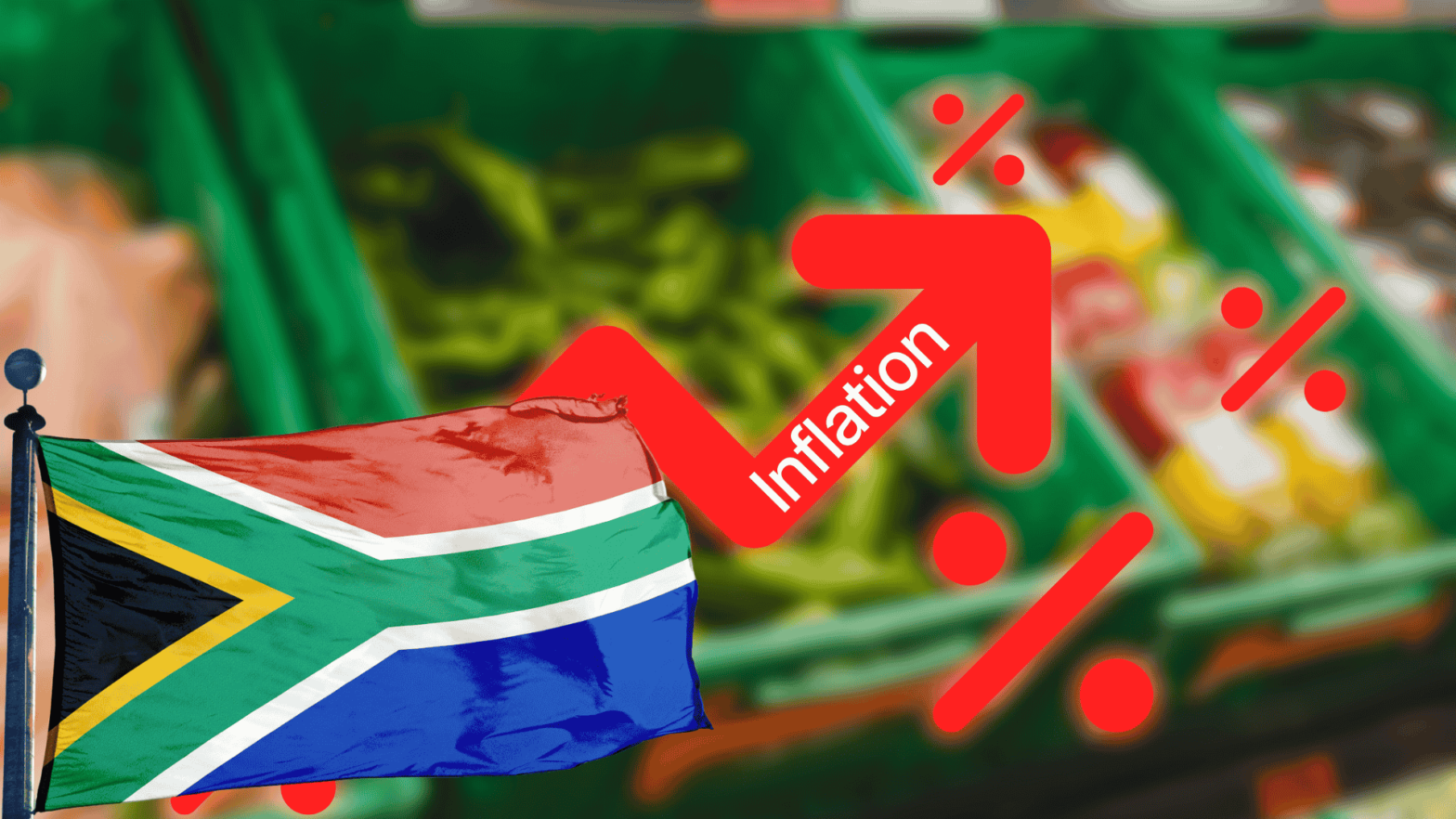
This constraint is particularly acute for oil-importing economies, which face compounded pressures from higher energy costs and inflation. The bank now projects regional inflation at 4.8 per cent, up from a previous estimate of 3.8 per cent. Nations including Kenya, Ethiopia, Burundi, Malawi and Mozambique – many already financially stretched- are most exposed.
In Kenya, for instance, the inflation spike could erode household purchasing power and slow consumption-driven growth. Ethiopia’s vulnerabilities extend to remittances, with around 750,000 Ethiopians working in Saudi Arabia; any softening in Gulf labour demand due to regional uncertainty could reduce these critical inflows.
Beyond immediate price effects, the conflict threatens longer-term investment flows. Gulf states have become significant investors in Sub-Saharan Africa’s mining, renewable energy, real estate and technology sectors, especially in East Africa. Heightened geopolitical risks may prompt a scaling back of commitments, further dampening capital formation and infrastructure development.
The numbers underscore deeper structural challenges. Sub-Saharan Africa’s population is among the world’s fastest-growing, yet growth at 4.1 per cent for both 2025 and 2026 falls short of the 7 per cent or higher rates often cited as necessary to absorb new labour market entrants and drive meaningful poverty reduction. Per capita income gains will remain modest at best, perpetuating high levels of extreme poverty and inequality.
For policymakers, the outlook emphasises the need for accelerated domestic resource mobilisation, debt restructuring where feasible, and deeper regional integration to build resilience.
Diversifying trade partners and investing in local fertiliser production or agricultural efficiency could mitigate future commodity shocks. However, with official development assistance under pressure globally, external support may prove limited.
From a global investor perspective, the revision highlights Sub-Saharan Africa’s persistent sensitivity to exogenous events, from commodity volatility to geopolitical flare-ups. While pockets of resilience exist, such as stronger performance in select resource-rich or reform-oriented economies, the aggregate picture points to subdued prospects. Trade partners in Europe, Asia and the Americas may see ripple effects through altered commodity supply chains and migration dynamics.
The World Bank’s downward adjustment serves as a sober reminder that external stability remains a prerequisite for Africa’s economic ascent.
Without concerted efforts to expand fiscal buffers and reduce external dependencies, the region risks a multi-year period of below-potential growth, with implications extending well beyond its borders for global markets, food security and development finance.
At 4.1 percent, the forecast keeps expansion positive but underscores how quickly hard-won gains can be eroded when global headwinds intensify.