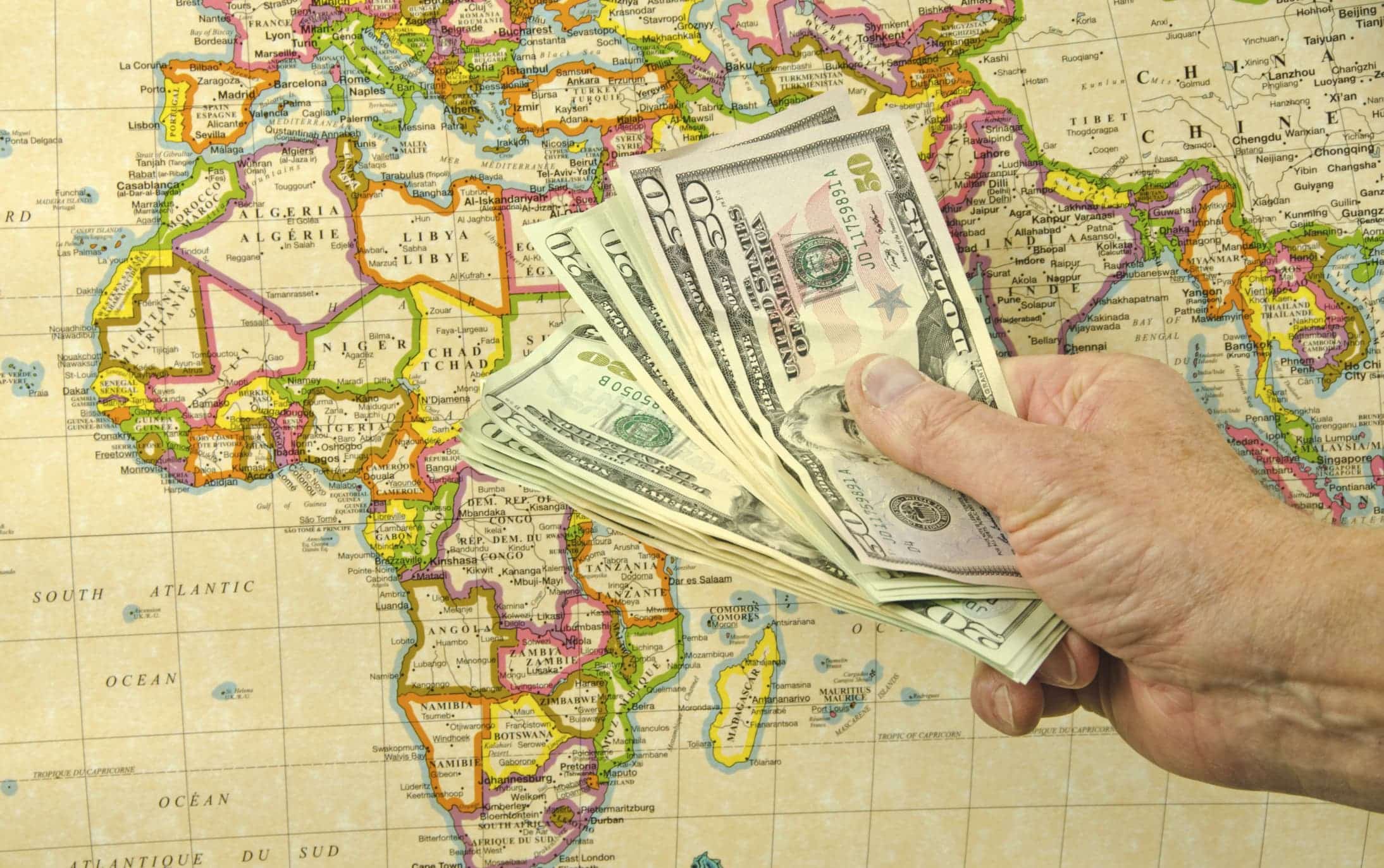



Afreximbank has launched a $10 billion crisis response programme aimed at insulating African and Caribbean economies from the fallout of the Gulf war, as surging energy prices and disrupted trade routes threaten to destabilise growth and external balances across the continent.
The facility, approved by the bank’s board and announced in a statement issued on Tuesday, is designed to provide urgent foreign exchange liquidity and trade finance support to governments, financial institutions and corporates grappling with the shock triggered by the conflict. The war, which escalated in late February, has disrupted a key artery of global energy and commodity supply, the Starit of Hormuz, sending oil, fertiliser and freight costs sharply higher.
African economies are particularly exposed. Many rely heavily on imported fuel, food and agricultural inputs, while also depending on Gulf shipping routes, investment flows and remittances. The result has been a rapid transmission of external pressures into domestic inflation, tighter liquidity conditions and rising import bills.
The $10 billion Gulf Crisis Response Programme (GCRP) seeks to cushion these effects by supporting the import of essential goods — including fuel, liquefied natural gas, fertiliser, pharmaceuticals and food — while easing foreign exchange constraints. It will also provide working capital and pre-export finance to help commodity exporters scale output and take advantage of elevated global prices.
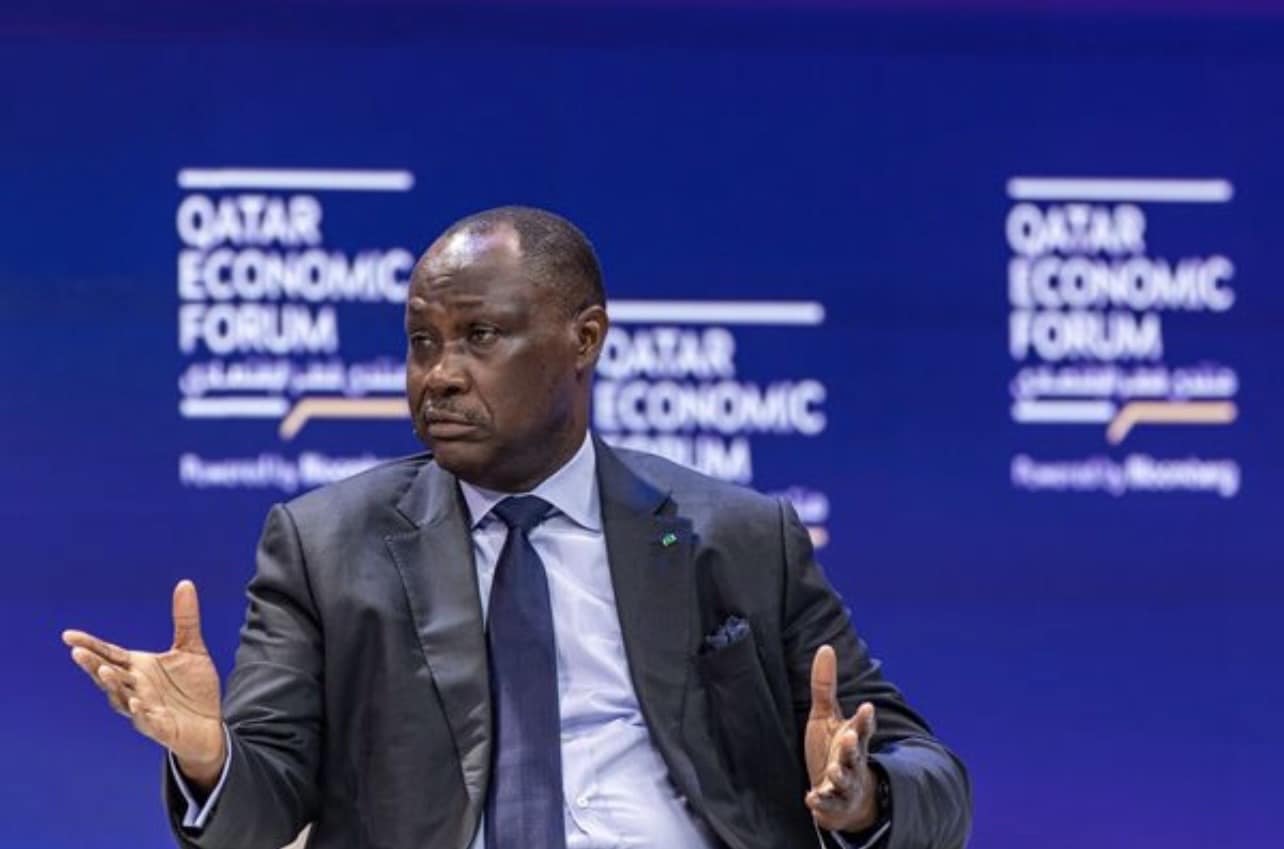
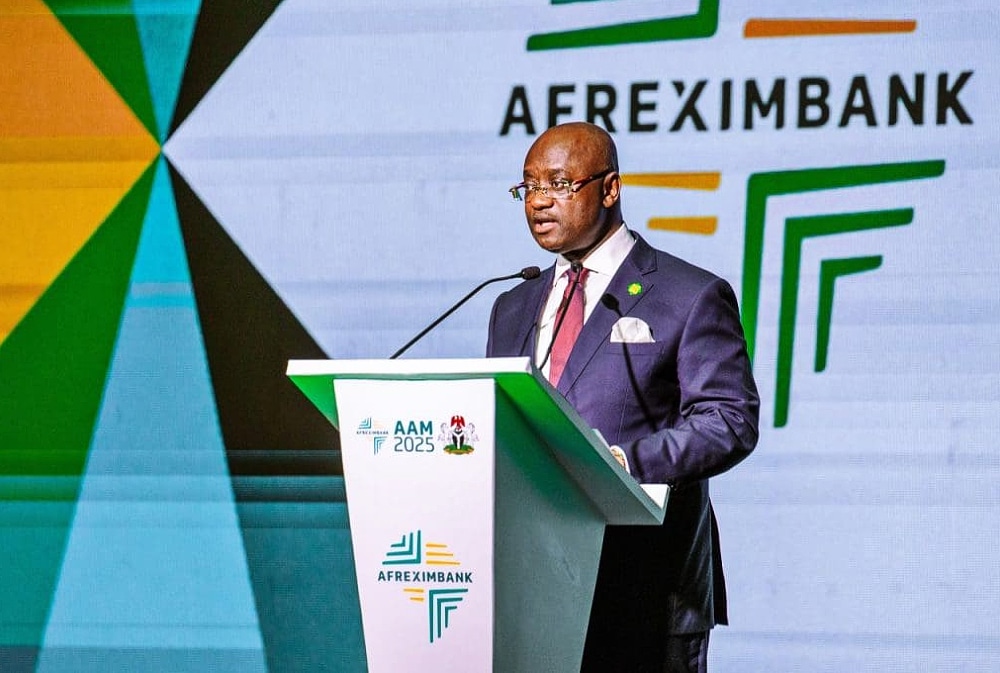
“This crisis response programme is in tune with our DNA. We understand how our economies work and the pain points associated with these transitory crises,” said George Elombi, president and chairman of Afreximbank in a statement.
“The programme will support African countries in adjusting smoothly to the crisis while strengthening their resilience to future shocks through interventions that transform the structure of their economies.”
Beyond short-term stabilisation, the initiative also targets medium-term resilience. Afreximbank said the programme would support the development of energy, logistics and trade infrastructure, while working with institutions such as the African Union, AfCFTA Secretariat and the UN Economic Commission for Africa to coordinate a broader regional response.
The move builds on a series of crisis-era interventions by the Cairo-based lender, including a $4 billion facility launched during the Ukraine war, under which it disbursed $39 billion to help African economies manage trade disruptions and liquidity shortages.
Analysts say the latest intervention underscores the growing role of regional financial institutions in buffering African economies against global shocks, particularly at a time when external financing conditions remain tight.
Early steps under the programme include partnerships with banks and corporates to secure critical imports whose supply chains have been disrupted by the conflict. However, the effectiveness of the intervention will ultimately depend on the duration of the war and the persistence of elevated energy prices.
For now, the fund provides a critical buffer as policymakers seek to navigate another externally driven shock, with the risk that prolonged disruption could further strain already fragile recovery paths across the continent.