


From an expansion streak in Nigeria to a deepening contraction in Egypt, private-sector activity across major African economies presented a mixed picture in 2025, according to monthly Purchasing Managers Index (PMI) surveys published by S&P Global.
Inflationary pressures, currency fluctuations, domestic and foreign demand, and political developments largely influenced this uneven performance. When conditions were supportive, business activity typically improved, with higher production and stronger sales.
S&P’s PMI surveys provide a single-figure snapshot of private-sector health by tracking new orders, output, employment, suppliers’ delivery times and stocks of purchases. Readings above 50.0 indicate an improvement in business conditions from the previous month, while readings below 50.0 signal deterioration.
Among the eight markets reviewed, Africa’s most populous nation recorded the strongest growth, with the headline PMI above the 50 neutral mark for 11 consecutive months, reflecting sustained recovery. Uganda and Zambia followed, posting 10 months of expansion despite ongoing economic challenges.
Ghana experienced only two months of contraction, while Kenya and South Africa faced longer periods of weakness, with business conditions worsening in five of the 11 months surveyed. Meanwhile, activity in Mozambique declined at least once in every quarter amid protest-related disruptions.
Constrained by weak demand and broader economic headwinds, Egypt stood out as the weakest performer, recording eight straight months of subdued activity.
A closer look
Nigeria
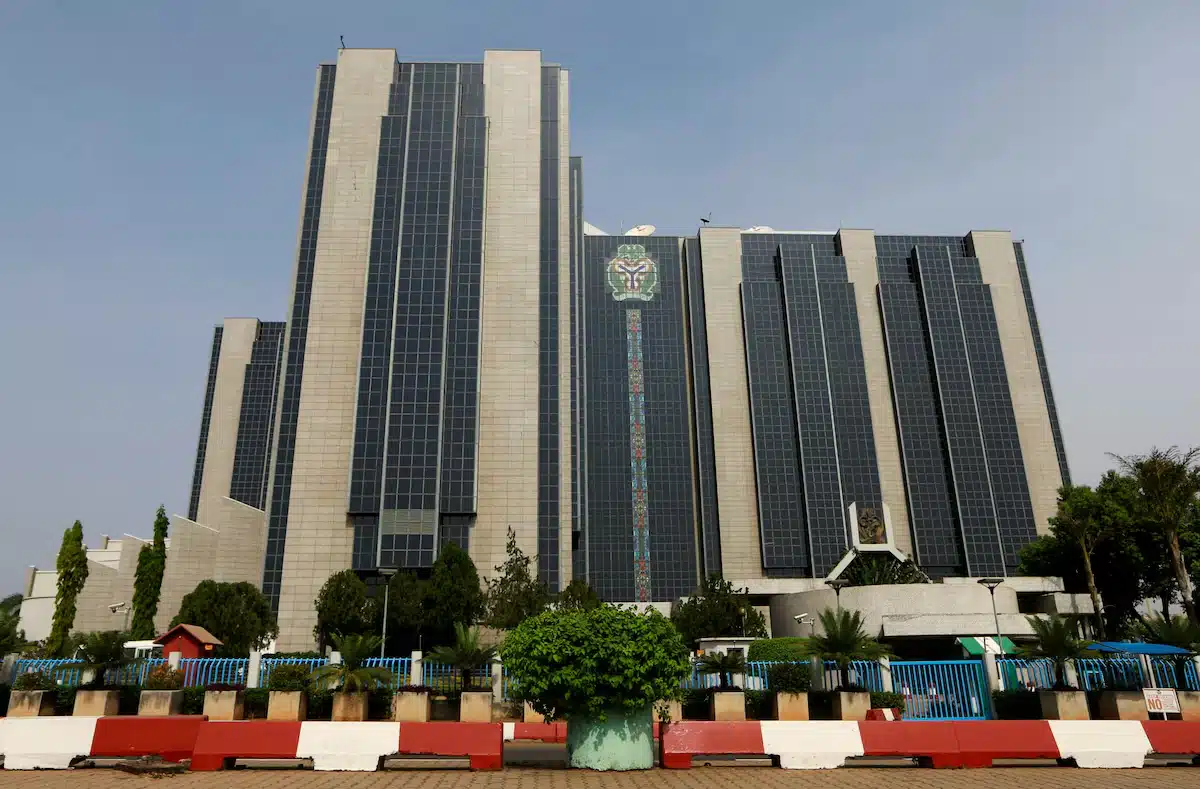
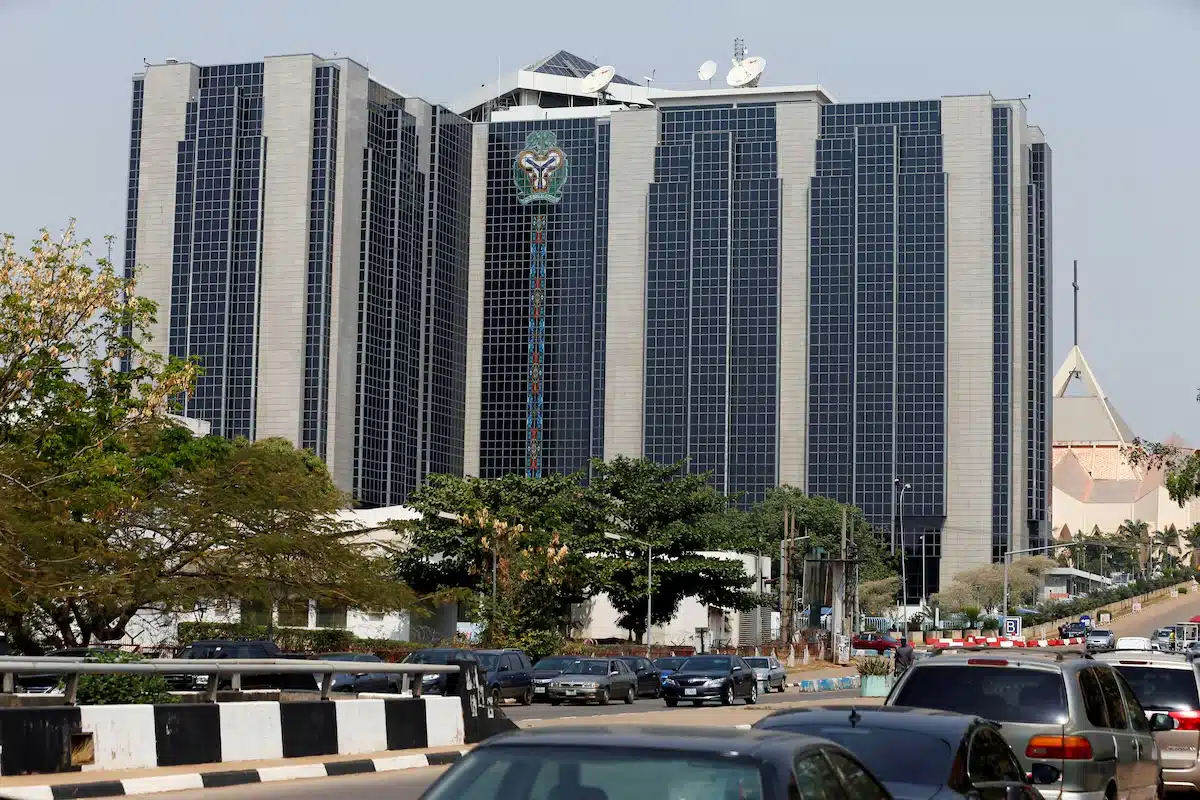
Nigeria’s private sector’s recovery in 2025 marks a sharp turnaround from a prolonged period of deterioration seen last year. The consistent expansion was supported by stronger demand and easing price pressures, which enabled businesses to boost output, hiring and purchasing activity.
Softer input costs aligned with a broader disinflation trend in the West African nation, as consumer prices slowed from 24.2% in January to 14.5% by November.
Firms saw the sharpest monthly improvement in operating conditions in April and August when the headline PMI reached 54.2. Growth was weakest in June, reflecting slower increases in new orders and softer manufacturing activity. Business expectations stayed positive for most of the year, indicating confidence in the sustainability of the recovery.
Uganda
An unexpected dip into contraction in January was the only interruption to Uganda’s private-sector expansion in 2025. Supported by a sector-wide growth in new business, stronger employment and rising output, the headline PMI rebounded in February to 52.6 from 49.5 in the previous month.
Despite persistent inflationary pressures, largely linked to higher fuel prices, business activity climbed to a 23-month high later in May, with the PMI reaching 56.4—reflecting the strongest reading during the period under review. As of November, firms remained upbeat about the year-ahead outlook, citing planned investments in advertising and marketing.
Zambia
Zambia’s private sector performance reflected resilience in the outgoing year as operating conditions improved in 10 of the 11 months under review. March saw the weakest momentum, with PMI falling slightly to 49.3 from 50.9 in February. Weighing on the downturn was a renewed decline in output and new orders amid softer client demand.
By contrast, September recorded the strongest growth in the year, as a sharp rise in activity lifted the PMI to a seven-year high of 52.2. The expansion trend continued toward year-end, although growth was more modest in November, with persistent energy shortages and rising price pressures dampening output and pushing business confidence to a ten-month low. At the same time, hiring rose as firms moved to mitigate some of the challenges involved in doing business.
Ghana
Business activity in Ghana recovered quickly in February, with the PMI rising to 50.6 from 47.9 in January, as stronger demand and an increase in new orders supported a modest expansion in output. The upturn extended through much of the year, peaking in May when a sharp appreciation of the cedi helped ease price pressures and allowed firms to lift hiring to its strongest level on record.
Conditions softened later in the year as companies struggled to convert higher new orders into sustained output growth, pushing the private sector back into contraction territory in September.
The downturn proved short-lived, however, with activity returning to expansion in October and November. After Uganda, Ghana was the only other market to record strong business optimism for 11 straight months, pointing to a resilient outlook despite intermittent weakness in activity.
South Africa
Business conditions in South Africa contracted in five of the eleven months of 2025, marking one of the weakest performances among the reviewed economies. After four consecutive months of slowing momentum, activity stabilised in April, supported by a modest uptick in sales and improved supply-chain conditions as congestion at major ports eased. The PMI rose to 50.0 in April from 48.3 in March, signalling a return to a neutral threshold.
Growth, however, remained fragile through the second and third quarters, with the headline index hovering just above the 50.0 mark. Despite easing inflation and a stronger rand, private sector activity slipped back into contraction in October, underpinned by subdued domestic demand and a marked slowdown in export sales.
Sentiment remained positive in November, with expectations rising to their highest level in 12 months, following a two-month sequence of deterioration.
Kenya
For Kenyan firms, operating conditions in 2025 were shaped by protest-related disruptions, higher taxes and rising commodity prices. These pressures led to five consecutive months of contraction between May and August, following a strong first quarter.
July marked the sharpest deterioration in activity, as the PMI slid to a 12-month low of 46.8, driven by weaker consumer demand and rising input costs. During the same month, headline inflation edged up to 4.1% from 3.8% in June, adding to cost pressures faced by companies.
Business conditions improved in September for the first time since April, pointing to a gradual recovery supported by renewed economic stability and an uptick in sales, new orders and employment. The upturn strengthened towards the end of the year, with the PMI rising to 55 in November—the strongest reading of 2025—as underlying factors continued to improve.
Egypt
Egyptian firms began the year on a firm footing, with the PMI rising to 50.7 in January — the first expansion in non-oil private sector activity since August 2023 and the strongest reading in more than four years. Momentum carried into February, albeit at a slower pace, supported by rising demand and subdued price pressures.
Business conditions weakened in March, however, as the headline index slipped to 49.2 amid declines in domestic and foreign sales, weighing on output and future expectations. The downturn persisted over the following seven months, making the North African nation the weakest performer among the economies covered.
Activity rebounded in November, when the PMI climbed to 51.1 — the highest level in five years — signalling a strong end to the year, supported by broad-based output growth and a sharp increase in new business.
“Historically speaking, the latest PMI reading signals that year-on-year GDP growth could rise above 5% in the fourth quarter,” said David Owen, senior economist at S&P Global Market Intelligence.
Mozambique
Operating conditions in Mozambique weakened at least once in each quarter of 2025, as post-election protests, softer credit growth and foreign-exchange shortages weighed on domestic demand. After a rebound in July from two consecutive months of contraction earlier in the year, the PMI slipped back below the 50.0 neutral mark in August, falling to 49.9 and signalling a mild decline in business activity despite rising sales and subdued price pressures.
Conditions deteriorated further in September, with the PMI easing to 49.4, before improving towards the end of the year. The headline index rose to a seven-month high of 50.8 in November, pointing to a return to expansion.
Despite the recovery, risks to the near-term outlook persist, as Mozal, the country’s largest industrial employer and a major exporter, is expected to suspend operations when its power supply contract expires in March 2026.
Broad outlook
With economic activity in Sub-Saharan Africa projected to accelerate to 4.4% in 2026 from an expected 3.8% expansion in 2025, according to the World Bank, private sector activity could gain real momentum in the coming year. Already, easing inflation rates and stronger currencies are helping businesses protect margins as consumer purchasing power improves.
The Washington-based lender also expects relief from more accommodative monetary policies. However, risks from tighter fiscal space and trade tensions driven by higher US tariffs persist, calling for cautious optimism.
For now, market watchers are looking to December’s PMI entry to assess trends likely to carry into 2026.