


Inflation continued to cool across several of Africa’s largest and most closely watched economies in February, extending a downward trend that gathered pace through much of 2025 and the opening weeks of this year.
From West to East Africa, softer food prices, steadier currencies and improving foreign-exchange buffers helped ease consumer price pressures, offering central banks greater room to ease borrowing costs.
Of the six economies reviewed — Zambia, Uganda, Kenya, Ghana, Zimbabwe and Egypt — five recorded slower inflation in February. Zambia posted the sharpest decline while Uganda maintained the lowest overall inflation reading.
Egypt remained the outlier as consumer prices accelerated to their fastest pace in eight months, reflecting mounting domestic pressures even before geopolitical tensions intensified in the region.
Zooming in:
Zambia
Zambia recorded the sharpest disinflation among the economies reviewed, with annual inflation slowing to 7.5% in February from 9.4% in January, marking the third consecutive month of decline and the lowest level since March 2019.
Price pressures eased across most consumer categories, led by food and non-alcoholic beverages where inflation slowed to 8.2% from 10.9%. Housing, transport and clothing costs also rose more slowly. On a monthly basis, consumer prices increased 0.6%, slightly higher than January’s 0.5%.
The easing trend reflects improving macroeconomic stability following debt restructuring progress and stronger mining output, strengthening expectations of further interest rate reductions.
Uganda
Uganda recorded the lowest inflation among the economies reviewed, with annual price growth easing to 2.9% in February from 3.2% in January, according to data from the Uganda Bureau of Statistics.
The slowdown was largely driven by moderating service costs, particularly education fees, which helped push core inflation down to 3.0% from 3.3%. Food crop inflation also eased sharply to 1.8% from 3.0%.
With inflation comfortably contained, attention is turning to the Bank of Uganda’s monetary policy stance. The central bank has kept its benchmark rate at 9.75% since August last year, but the continued moderation in price pressures could open the door for rate cuts later in the year.
Kenya
Kenya’s annual inflation slowed to a six-month low of 4.3% in February, slightly down from 4.4% in January, reinforcing expectations that the central bank may maintain its easing bias.
Data from the Kenya National Bureau of Statistics showed consumer prices rose 0.2% month-on-month, while food and transport costs were among the main contributors to the slowdown.
The moderation comes despite concerns over food security following the shortest October–December rainfall season since 1981, suggesting price pressures remain broadly contained.
Earlier in February, the Central Bank of Kenya cut its benchmark interest rate by 25 basis points to 8.75%, marking the tenth consecutive reduction as policymakers seek to support economic activity.
Ghana
Ghana extended its disinflation streak in February, with annual inflation slowing to 3.3% from 3.8% in January, marking the 14th consecutive month of easing and the lowest level since August 1999.
The slowdown was largely driven by falling food prices and a stronger cedi, supported by rising global gold prices that have boosted foreign-exchange reserves. Food inflation declined to 2.4% from 3.9%, while non-food inflation edged up slightly to 4.0%.
The improving outlook has allowed the Bank of Ghana to accelerate its monetary easing cycle, cutting its benchmark policy rate by 250 basis points to 15.5%, extending one of the most aggressive rate-cutting phases on the continent.
Zimbabwe
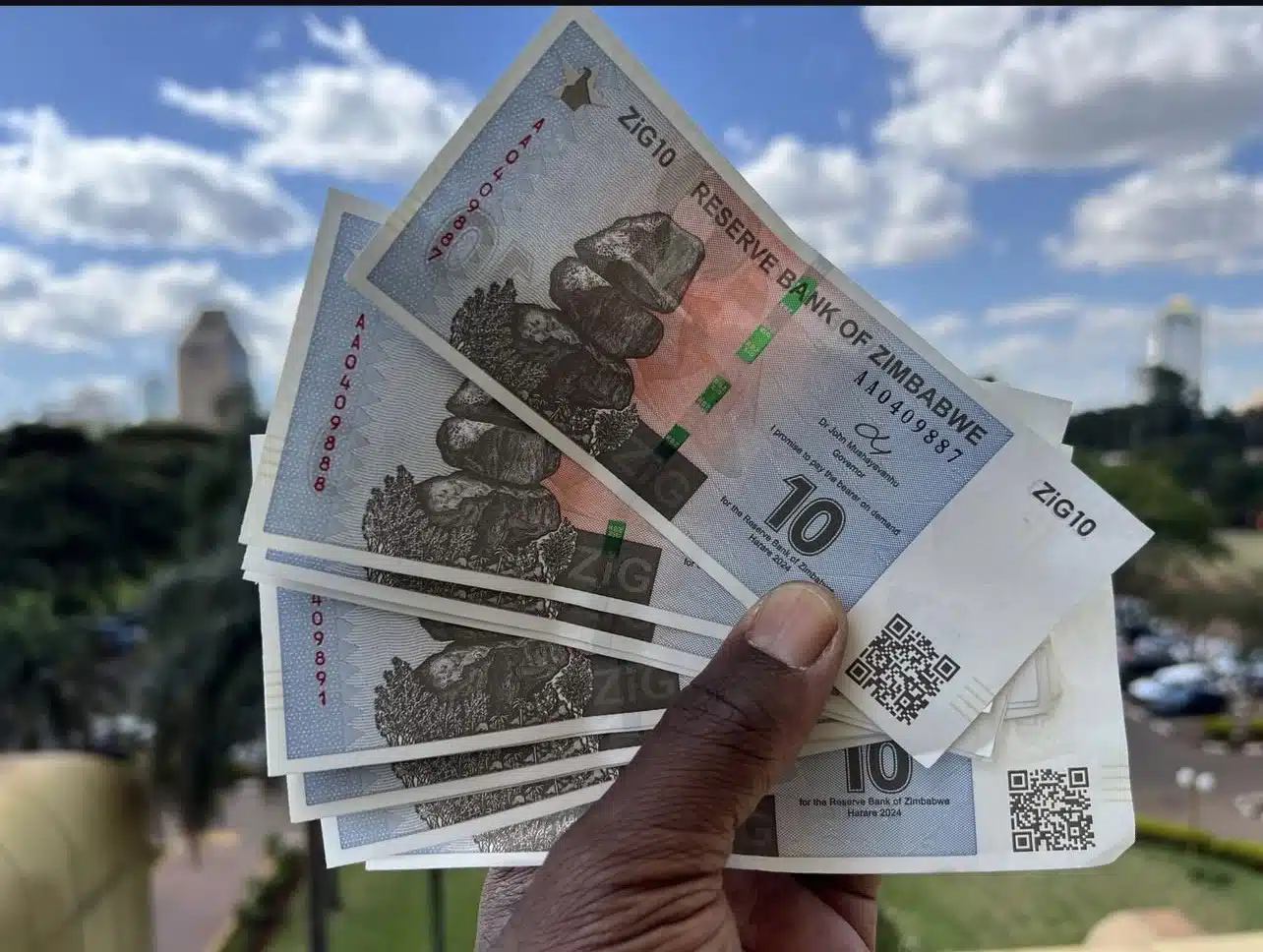
Zimbabwe’s inflation continued to moderate, with annual price growth in local currency terms easing to 3.8% in February from 4.1% in January, marking the seventh straight month of decline and the lowest level in nearly a decade.
Commodity prices have helped support the country’s gold-backed currency, the Zimbabwe Gold (ZiG), contributing to improved price stability. Monthly inflation edged up slightly to 0.1% from 0.0%, driven mainly by increases in miscellaneous goods and services.
In US dollar terms — significant in an economy where about 80% of transactions occur in dollars — annual inflation declined to 0.9%, reinforcing signs that macroeconomic stability is gradually returning.
Egypt
Egypt broke from the broader regional trend, with annual inflation accelerating to 13.4% in February from 11.9% in January, the highest level in eight months, according to the state statistics agency CAPMAS.
Monthly inflation surged to 2.8%, more than double January’s pace, while core inflation rose to 12.7% from 11.2%.
The resurgence comes after authorities spent much of the past year attempting to stabilise prices following a severe economic crisis that pushed inflation to a record 38% in September 2023.
Escalating tensions in the Middle East are now threatening to reverse those gains.
The government recently approved fuel price increases of up to 17%, citing exceptional conditions in global energy markets.
At the same time, capital outflows triggered a sharp depreciation of the Egyptian pound, which fell to a record 52.8 per dollar on Monday— its largest single-day drop since a major devaluation two years ago. Analysts warn that these developments could push inflation even higher in the coming months.
External shocks threaten Africa’s disinflation gains
Despite February’s encouraging inflation data, analysts caution that the wider outlook remains vulnerable to global shocks.
The US-Israel military strikes on Iran that began on February 28 have already rattled energy markets, sending Brent crude above $100 per barrel on Monday .
For many African economies that rely heavily on imported fuel, sustained increases in oil prices could quickly feed into higher transport, electricity and food costs.
Shipping disruptions are also adding to concerns. Some cargo vessels are now avoiding the Suez Canal, rerouting around the Cape of Good Hope, which significantly increases freight costs and delivery times.
Early signs of the pressure are already visible. In Nigeria, Africa’s fourth-largest economy, petrol pump prices reportedly rose about 11% this week as global oil costs climbed.
For policymakers across the continent, the challenge will be to preserve recent gains while preparing for renewed external volatility.
Maintaining disciplined fiscal policies, strengthening foreign-exchange buffers and accelerating energy diversification efforts may prove essential if Africa’s fragile disinflation momentum is to endure.