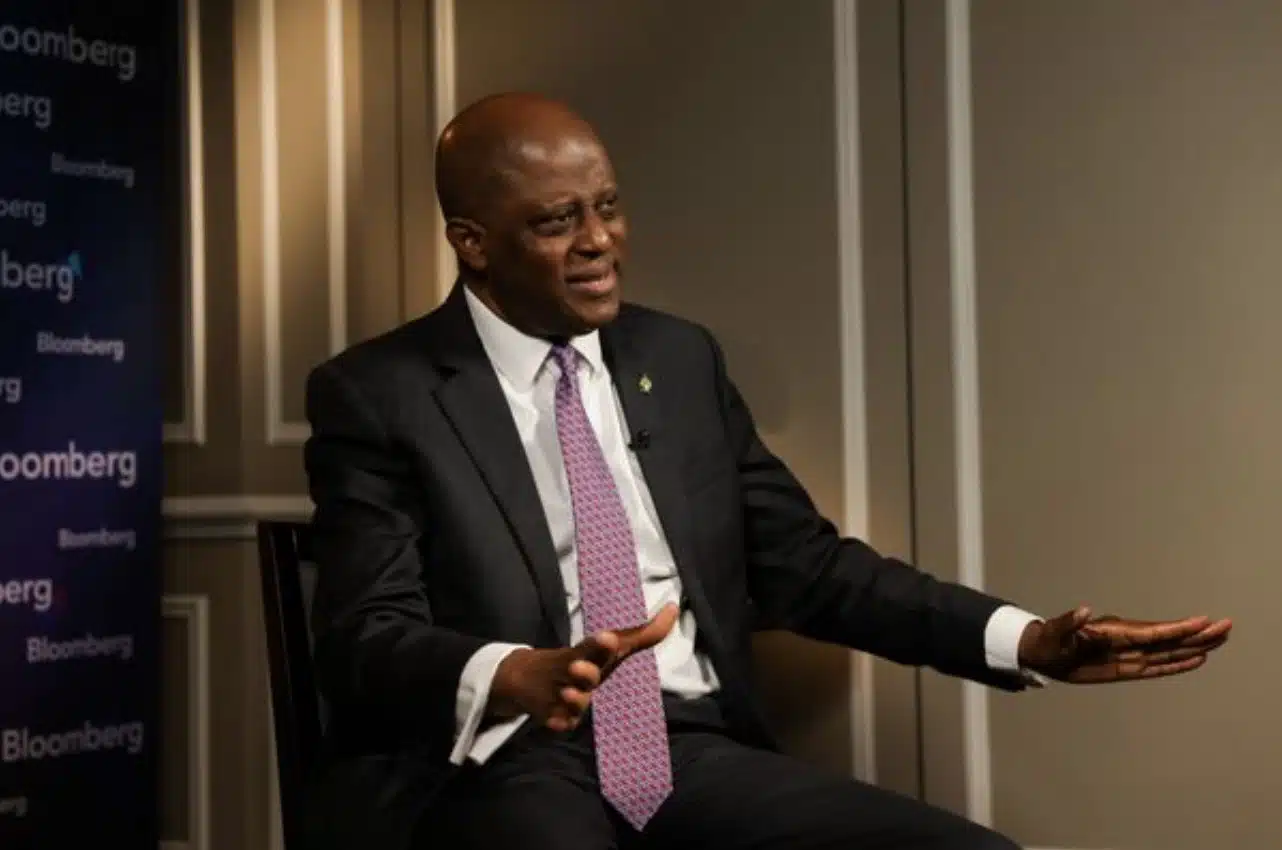

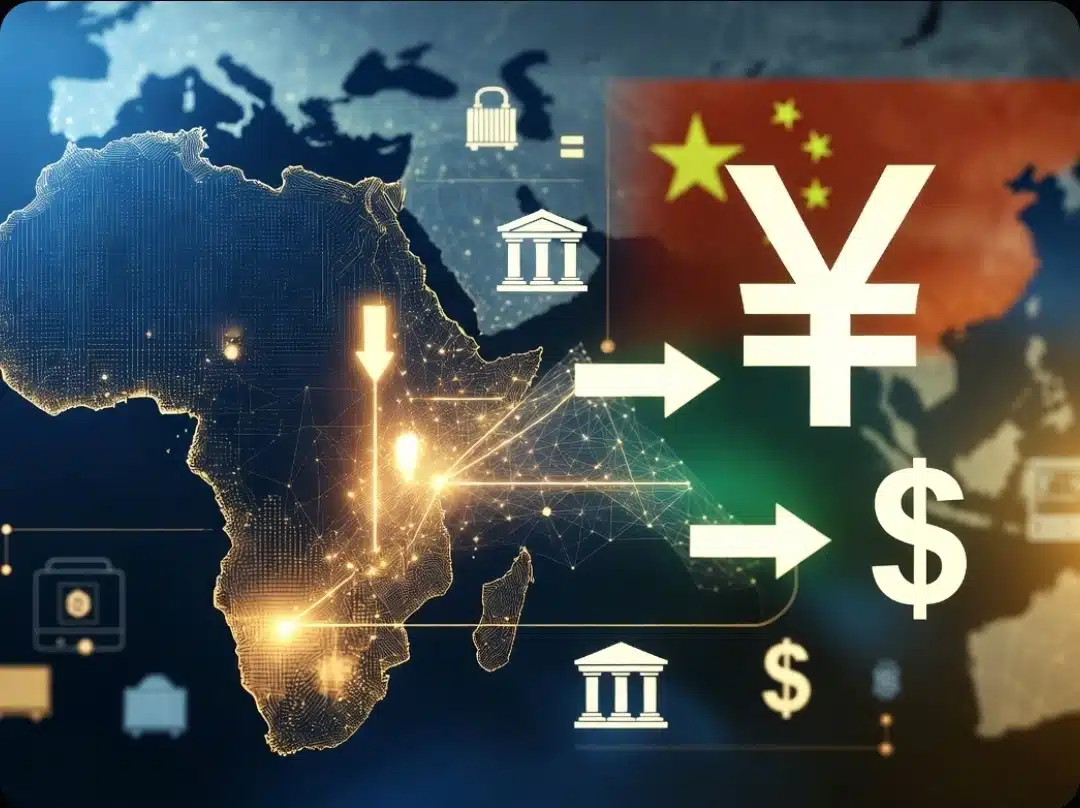


Pan-African lender Ecobank is in talks with Bank of China to launch direct local currency to yuan settlement services for customers by the end of 2026, group CEO Jeremy Awori told reporters. The Togo headquartered bank, which operates across 35 African markets, already signed a memorandum of understanding with Bank of China (Mauritius) in December 2025 to expand trade finance, payments and renminbi capabilities.
Awori framed the initiative as a direct response to client demand. “We are looking at opportunities for us to settle with, instead of going through the dollar, we do it directly with the Chinese yuan,” he said. He pointed to African small and medium-sized enterprises increasingly sourcing from China.
Trade boom fuels demand for alternative payment channels
The timing makes perfect sense. China-Africa trade hit a record 348 billion dollars in 2025, up nearly 18 per cent from the previous year. Chinese exports to the continent surged more than 25 per cent, while imports from Africa grew at a slower pace. Energy, mining and resources dominate this flow.
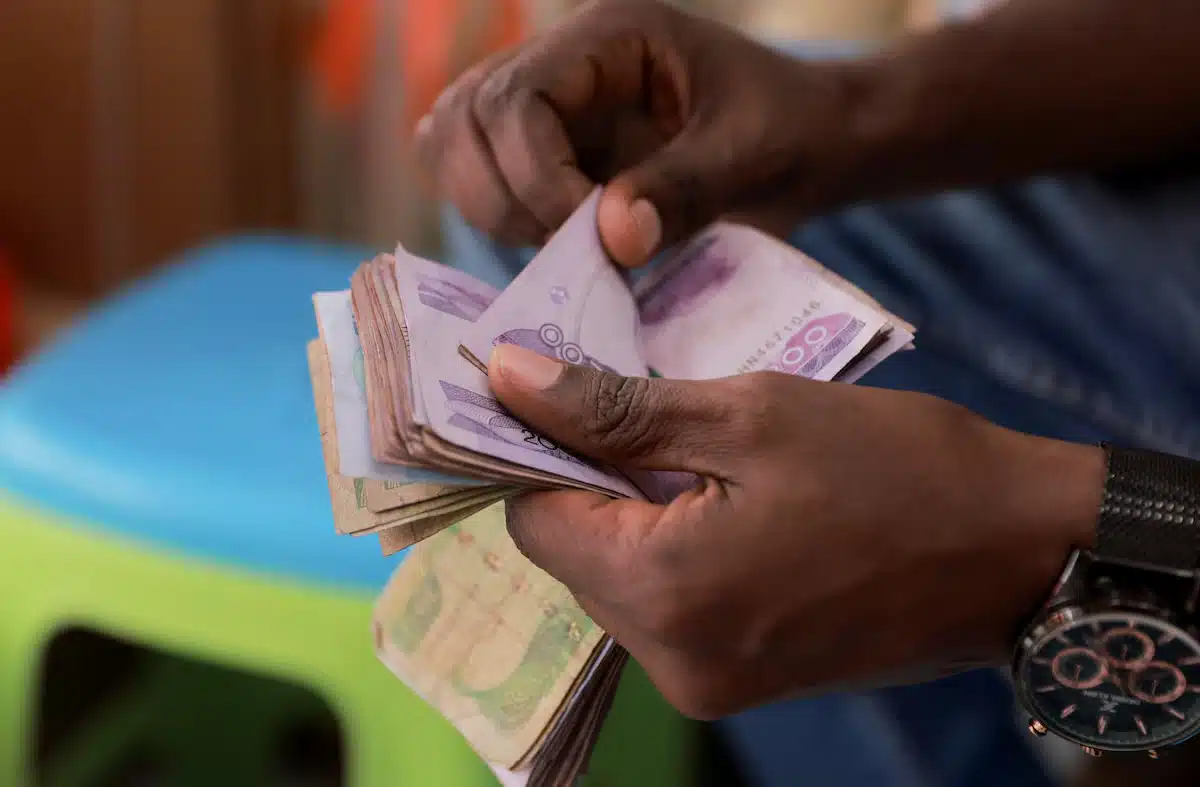
African firms often face double currency conversion when paying Chinese suppliers, which adds transaction costs of 2 to 4 per cent per deal, plus forex volatility and settlement delays that can stretch for weeks.
Direct yuan settlement promises to cut those frictions. Similar moves are already underway in Zambia, where mining royalties are now paid in renminbi, and in Kenya and Ethiopia, which have restructured portions of their Chinese debt into yuan to ease servicing costs amid high US interest rates.
Cost relief for African SMEs comes with real efficiency gains
For Ecobank’s core SME clientele, this could be genuinely transformative. Many businesses currently rely on informal networks or dollar intermediaries, which eat into already thin margins in competitive import export trades.
Faster and cheaper settlements would free up working capital and reduce exposure to dollar swings, especially relevant as global trade tensions continue. Ecobank is also expanding its China office and investing in automation to position itself as a stronger bridge for the hundreds of thousands of African traders dealing with Chinese counterparts.
Broader adoption could support intra African value chains as well. Afreximbank and Standard Bank have already joined China’s Cross Border Interbank Payment System, processing a rapidly growing volume of Africa China transactions.
De dollarization gathers pace across the continent
This move by Ecobank fits into a wider pattern. At least ten African nations now have currency swap lines with the People’s Bank of China, and dozens of countries have integrated with its payment system.
Nigeria, South Africa and Egypt are piloting the use of the yuan in reserves and domestic payments, while Zambia accepts yuan for taxes. Beijing has made the shift more attractive with zero-tariff access for many least developed countries in Africa and strong promotion of the renminbi through the Belt and Road Initiative.
For cash-strapped African central banks, the yuan offers cheaper debt servicing compared with dollar equivalents, while providing some protection against potential US sanctions or disruptions in traditional payment networks.
Benefits weighed against rising strategic risks
The shift comes with real trade-offs. While the immediate transaction savings are clear and welcome, deeper yuan integration could amplify Africa’s already lopsided trade deficit with China and give Beijing even more financial leverage. African governments are servicing growing Chinese debt, much of it still lacking full transparency, often in yuan. This potentially locks in commodity-backed repayment structures that echo past resource for debt deals.
The IMF has flagged risks of currency mismatches when swapping dollar loans into yuan, particularly if renminbi volatility increases or Chinese capital controls tighten. Precedents like Sri Lanka’s Hambantota port serve as cautionary tales of what can happen when defaults lead to asset concessions.
For African economies, a key question remains whether yuan liquidity can ever fully match the depth of the dollar in global markets. Right now it cannot, which leaves smaller central banks vulnerable during periods of financial stress.
Geopolitically, the trend is building a more multipolar payments landscape. But it does little to solve deeper structural problems such as weak local currency financing, thin capital markets and persistent current account deficits.
Ecobank’s innovation should deliver short-term relief for SMEs and help boost trade volumes. At the same time, it further cements China’s role as Africa’s indispensable financial partner, especially as Western engagement has faded in recent years.
Whether this rebalancing ultimately strengthens or constrains African economic sovereignty will depend on how well regulators enforce transparency, set sensible debt limits and develop genuine local currency alternatives in the years ahead. For the moment, the yuan’s advance across the continent shows no signs of slowing.