
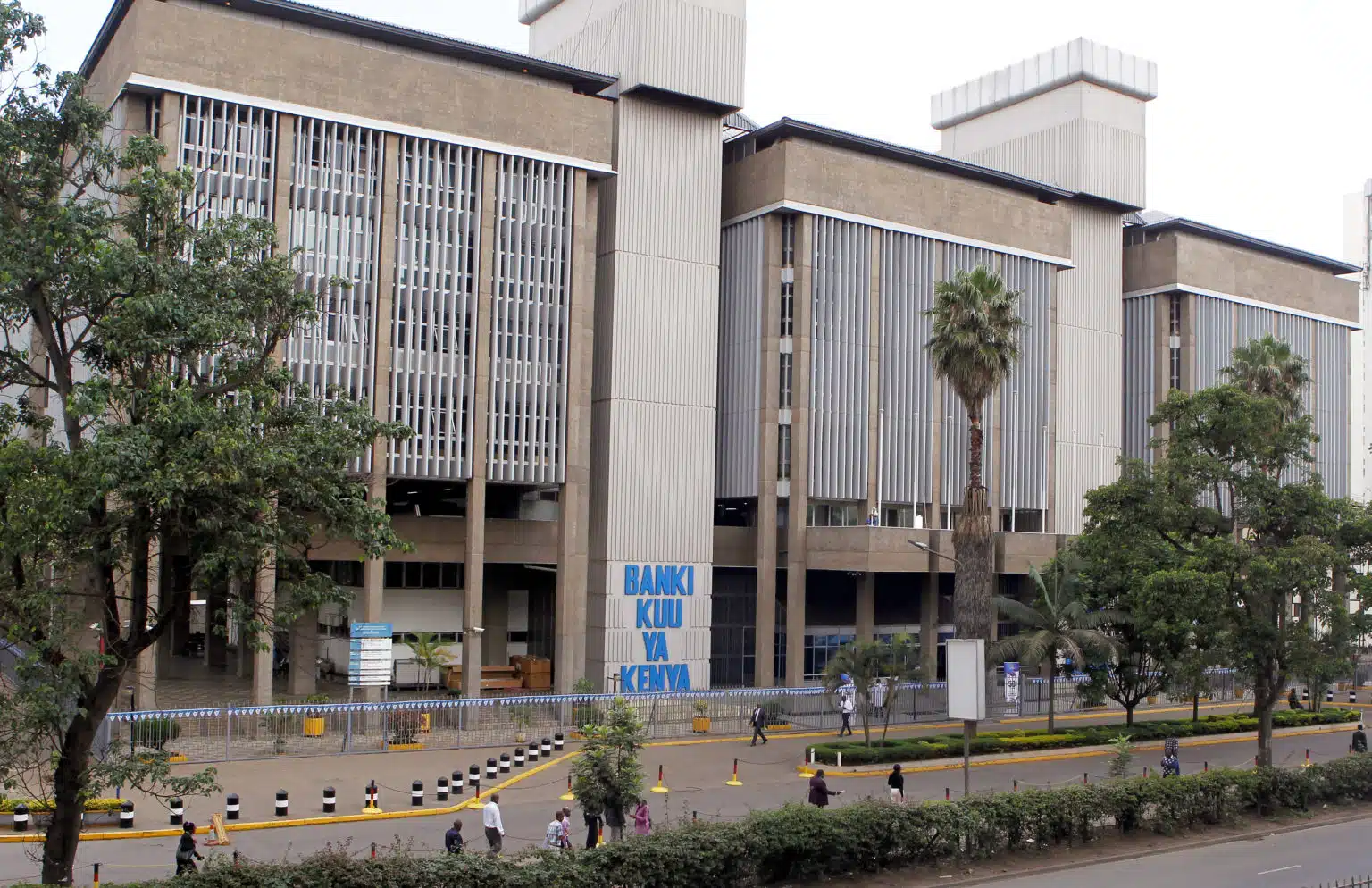


Kenya’s central bank lowered its benchmark interest rate to 9.00% from 9.25%, marking its ninth consecutive cut and taking borrowing costs to their lowest level since January 2023.
The Monetary Policy Committee said the 25-basis-point reduction reflects the continued moderation in inflation and improving domestic demand indicators, while maintaining that price expectations remain anchored.
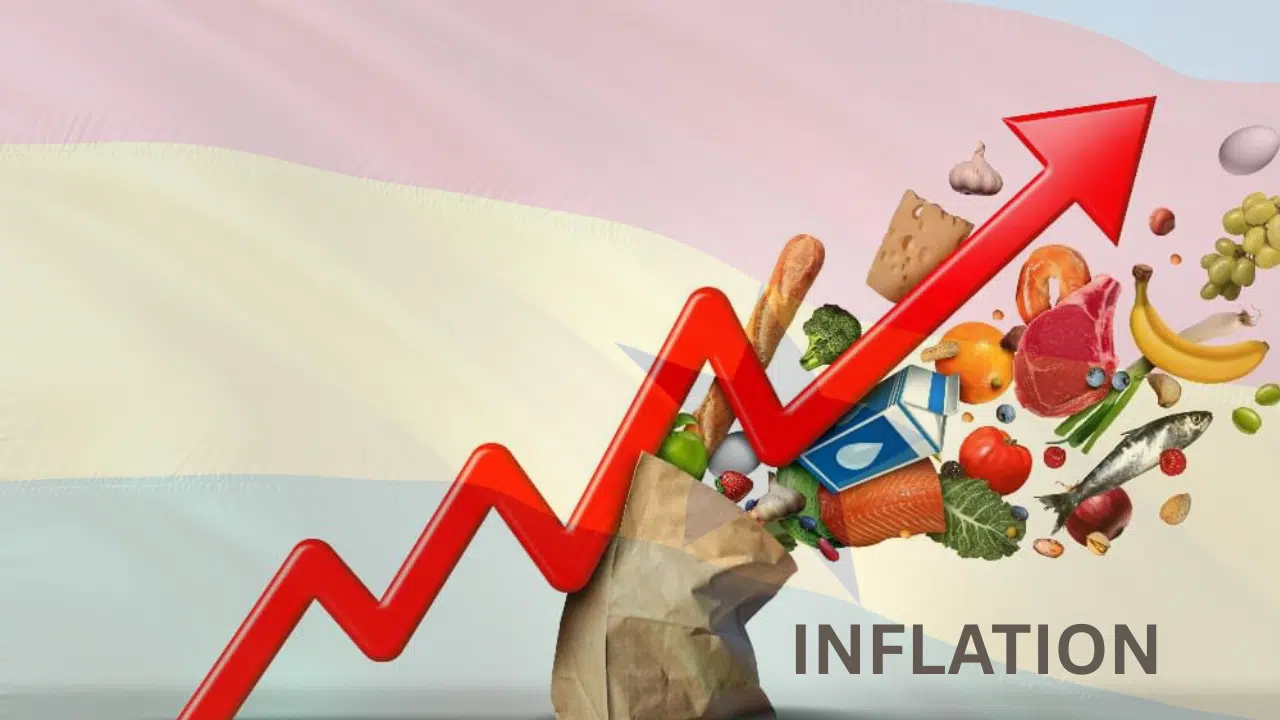
Annual inflation eased slightly to 4.5% in November, down from 4.6% a month earlier and well inside the 2.5%–7.5% target band. Private-sector surveys indicate that business confidence has reached a five-year high, suggesting that activity is beginning to respond to earlier policy adjustments.
The rate has now fallen from 13.00% in June 2024 to 9.00%, an easing path that began when the MPC shifted away from the tightening stance it held through 2023 and early 2024.
The easing follows a period earlier in the year when inflation had accelerated for several months, driven by food-price pressures.
Growth and Credit Conditions
Economic activity continues to strengthen. Kenya recorded the fastest private-sector expansion among eight major African economies in November, according to S&P Global’s latest PMI survey. The PMI rose to 55.0, up from 52.5 in October, marking the strongest reading in five years and signalling a firm rebound from mid-year disruptions.
Firms reported a surge in new orders as improved purchasing power, easing inflation and new product launches lifted demand. Businesses increased input purchases and hiring at the quickest pace since 2023. Supplier delivery times improved across sectors, supporting inventory rebuilding.
“Inflation expectations are anchored,” said Christopher Legilisho of Standard Bank, noting softer increases in input and output prices even as material and tax costs continued to weigh on margins.
GDP expanded 5.0% in the second quarter, with full-year growth projected at 5.2% and 5.5% in 2026. Credit conditions are also improving: private-sector lending rose to 5% in September, from 3.3% in August, as lower lending rates begin to feed through the system
External Position
Kenya’s external buffers have strengthened. Foreign-exchange reserves rose to $12.03 billion as of 4 December, equivalent to 5.2 months of import cover. This marks a significant improvement from the 4.7 months reported earlier in the year and is well above the central bank’s statutory minimum of four months.
The current-account deficit remains contained—at 2.1% of GDP in the year to August—reflecting higher capital-goods imports but stable inflows. The shilling has held steady in recent months, supported by stronger reserves, improved FX liquidity and ongoing fiscal consolidation.
Where Kenya sits in the regional cycle
Kenya’s latest cut places it inside a widening group of African central banks that have shifted into easing as inflation cools and domestic demand softens. Zambia joined the turn in 2025 after progress on debt restructuring created space for pro-growth policy. South Africa has also begun cutting, with the Reserve Bank lowering rates as inflation fell to a 10-month low.
Ghana has joined the trend, delivering additional rate cuts as price pressures eased sharply through 2025 and real rates turned restrictive.
However, not all policymakers have followed. Nigeria and Uganda have kept rates unchanged, citing FX volatility, liquidity constraints and slower disinflation.
Against this backdrop, Kenya stands out not for the size of its policy moves but for the consistency of its easing cycle. The nine straight cuts delivered since mid-2024 mark the longest easing run in the region, reflecting the central bank’s confidence in domestic stability and its desire to support credit growth without undermining inflation control.
Implications for banks and borrowers
With the CBR now at 9.00%, banks are expected to review lending rates in line with CBK guidance. In recent MPC communications, the central bank has emphasised that lower policy rates should “support a moderation in lending rates” and ease funding conditions for firms and households.
Private-sector credit growth has begun to improve: CBK data shows lending rose 5.0% year-on-year in September, up from 3.3% in August, with manufacturing, construction and consumer durables driving demand. The MPC has said the easing cycle is intended to reinforce this recovery and reduce repayment pressures for stressed borrowers.
Mortgage uptake remains weak, and the CBK has noted that affordability constraints persist. The central bank expects transmission to strengthen once the risk-based credit-pricing framework is fully implemented by March 2026, improving how policy changes flow into bank lending behaviour.
Kenya’s latest rate cut signals sustained confidence in its disinflation path and an ongoing push to use monetary policy to revive private-sector activity. Whether the move delivers a meaningful boost to credit growth now depends on how banks respond over the coming weeks.