


Kenya recorded the strongest private sector expansion among eight major African economies in November, as business activity accelerated across the region, according to the latest Purchasing Managers’ Index (PMI) surveys published by S&P Global.
The East African economy topped the continental rankings with a headline PMI of 55, overtaking Nigeria, The marked upturn reflects a sharp rise in sales volumes and new customer orders, supported by softer price conditions and a wave of new product launches.
Uganda maintained its position as the region’s second-best performer at 53.8, followed by Nigeria at 53.6 and Zambia at 51.1. Mozambique and Ghana posted readings of 50.8 and 50.1 respectively, signalling marginal improvement.
Egypt’s private sector returned to growth for the first time in nine months, also registering a PMI of 51.1.
South Africa, however, was the only country to remain in contraction, underscoring its continued divergence from an otherwise strengthening regional trend.
A reading above 50 indicates an improvement in private-sector business conditions, while figures below the threshold point to a deterioration. The PMI surveys track trends in output, new orders, employment, suppliers’ delivery times and inventory levels across key industries.
In its latest Africa’s Pulse report, the World Bank notes that sub-Saharan Africa’s recovery is gaining momentum, with regional GDP projected to grow from 3.5% in 2024 to 3.8% in 2025, and to average 4.4% between 2026 and 2027.
The improved outlook reflects cooling prices pressures across the several economies, supporting broader economic stability in the region.
More on the countries’ business activities
Kenya: Output, new business climb to five-year high
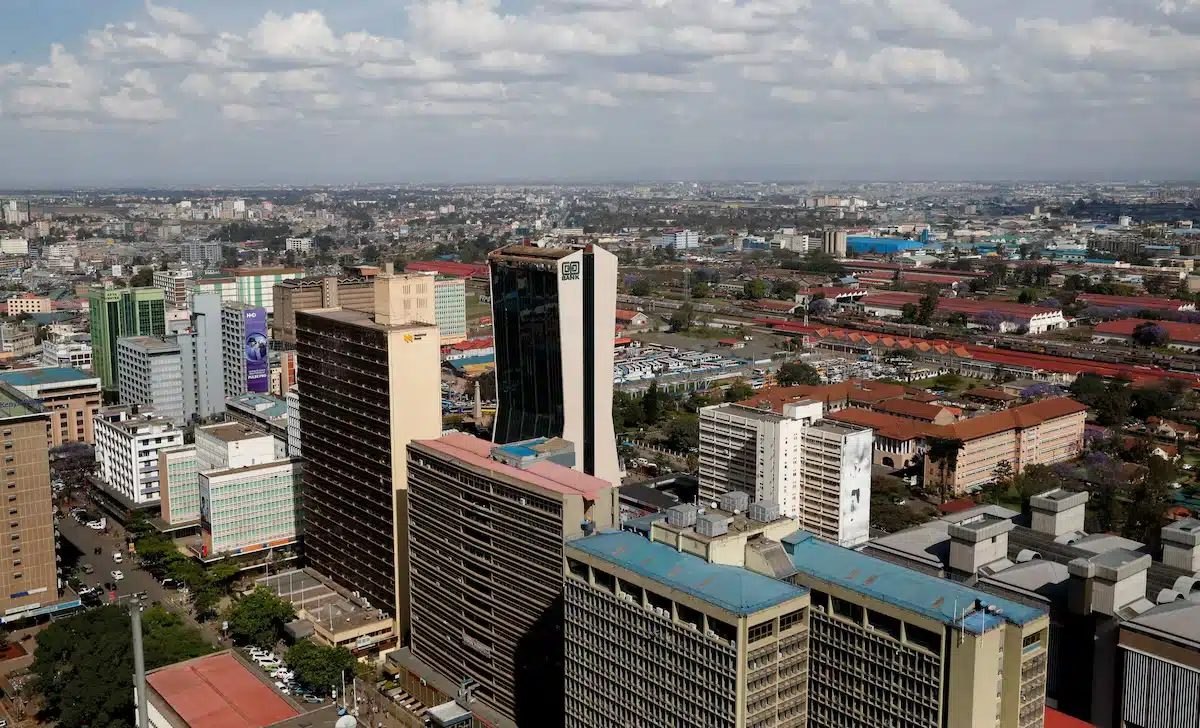
Kenya’s PMI rose to 55.0 in November from 52.5 a month earlier, marking the fastest growth in five years and a firm rebound from protest-related disruptions earlier in the year.
Firms reported a strong uplift in new orders as improved purchasing power, easing inflation and successful product launches drove demand. Businesses responded by increasing input purchases and hiring at one of the quickest rates since 2023.
“Inflation expectations are anchored,” said Christopher Legilisho of Standard Bank, noting softer increases in input, purchase and output prices, though higher material costs and taxes still squeezed margins.
Improved supplier delivery times supported inventory rebuilding across all monitored sectors. Confidence remained positive but continued to ease for a third month.
Uganda: Firms raise selling prices amid rising inflation
Uganda’s private sector posted another month of solid growth in November, with the PMI edging up to 53.8 from 53.4 in October as stronger new business and output underpinned activity. New orders rose for the tenth straight month and were spread across sectors, though gains were softest in construction.
To meet rising demand, firms increased hiring, ramped up input purchases and expanded inventories. The build-up in stock levels came despite renewed delays in supplier deliveries, which panellists linked to adverse weather conditions.
Inflation remained a key pressure point. Companies reported higher purchasing costs driven by broad-based price increases. “Businesses reported higher input prices in November, reflecting higher utility costs, especially electricity and water, and greater purchased goods prices,” said Legilisho. This prompted firms to lift selling prices to protect margins.
Business confidence for the year ahead held steady, supported by planned investment in advertising and marketing.
Nigeria: PMI expansion holds for 12 straight months
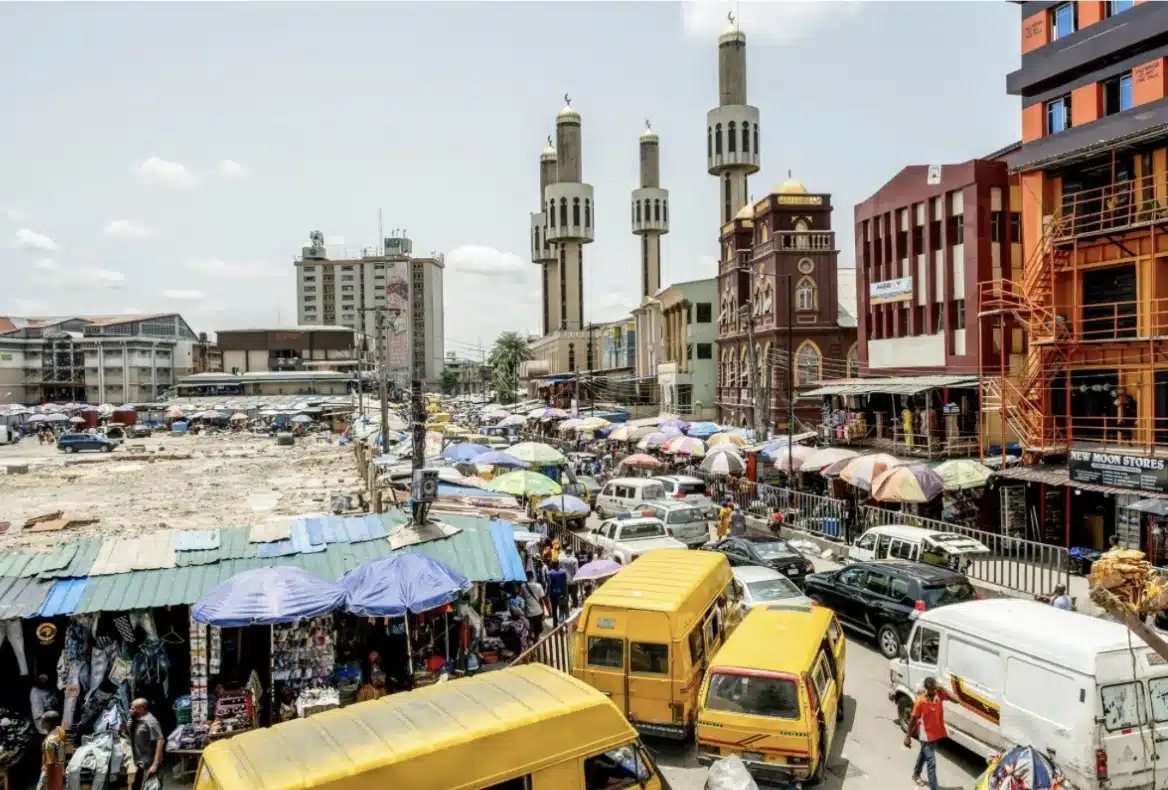
New product launches helped lift customer demand in November, driving another rise in new orders and business activity across Nigeria’s private sector. The country posted a PMI reading of 53.6, signalling solid improvement—only slightly softer than October—and marking 12 consecutive months of expansion.
Conditions were supported by easing inflationary pressures. Headline inflation slowed for a seventh month to 16.02% in October from 18.02%, the softest increase in more than three years. Input cost inflation moderated but remained elevated, while output price growth eased for the sixth time in seven months.
Hiring rose again, though at a slower pace, while firms sharply increased purchasing and inventory levels. Business confidence weakened further, hitting its lowest level since May.
“We still see the Nigerian economy growing by 4.0% in 2025,” said Muyiwa Oni of Stanbic IBTC. “Both manufacturing and services are likely to post stronger growth next year based on PMI trends so far.”
Zambia: Business activity rises slightly as energy shortages bite
Zambia recorded a modest improvement in business conditions in November, with the PMI edging up to 51.3 from 50.8 in October, supported by expansions in new orders, employment and input purchases.
But the upturn remained fragile as persistent energy shortages weighed on output, which fell for a second month, while new business growth eased to a three-month low.“Agriculture was the only monitored sector to see simultaneous growth in output and new orders,” noted Musenge Komeki of Stanbic Bank.
Input costs rose at the fastest pace since May, although firms cut selling prices slightly to support demand, while confidence slipped to a ten-month low.
Egypt: Non-oil private sector exits contraction amid easing costs
Egypt’s non-oil private sector returned to growth in November, with the PMI rising to 51.1 — the first reading above 50 since February.
Output expanded across manufacturing, construction and services, supported by a surge in new business after eight months of decline.
Firms also benefited from slower increases in input and output prices, helping stabilise margins. Employment remained largely unchanged, contributing to a modest rise in outstanding work, while input inventories showed signs of stability.
S&P Global noted the upturn signals a strong end to the year: “Historically speaking, the latest PMI reading signals that year-on-year GDP growth could rise above 5% in the fourth quarter,” David Owen, a senior economist at the agency said.
Despite softening slightly from October, expectations for future activity remained positive, pointing to a generally upbeat outlook for the sector.
Mozambique: Rising orders lift PMI to nine-month high
Mozambique’s private sector expanded at the fastest pace in nine months, with the PMI rising to 50.8 in November, driven by a surge in new orders and higher employment. Backlogs fell for the seventh consecutive month, while firms increased input purchases and improved supplier delivery times.
Cost pressures accelerated, with overall input prices rising due to higher material and wage costs, leading to a modest increase in selling prices.
“The PMI suggests some passthrough from cost increases to higher sales prices. USD/MZN stability should continue to limit inflationary pressures,” said Fáusio Mussá, Chief Economist at Standard Bank Mozambique.
The softer outlook coincides with post-election shocks and risks from a potential Mozal Aluminium shutdown, although LNG projects offer hope of recovery.
Ghana: Output stagnates despite cooling prices, stronger demand
Ghanaian firms saw business conditions remain largely unchanged in November, with the PMI edging slightly down to 50.1 from 50.3 in October, even as new orders rose for the tenth consecutive month.
Companies continued to lower selling prices for the seventh straight month amid easing input costs, yet output remained flat. Employment, input purchases and inventory levels all increased, reflecting firms’ efforts to meet stronger customer demand.
“Companies are yet to see the full benefit of muted price pressures on business activity, but with the Bank of Ghana cutting interest rates again in November, we will hopefully start to see meaningful expansion,” said Andrew Harker, Economics Director at S&P Global Market Intelligence.
Ghana’s headline inflation has been on a downward trajectory since January — a trend that has allowed policymakers to cut interest rates by 1000 points this year.
South Africa: Business confidence hits 12-month high despite softer conditions
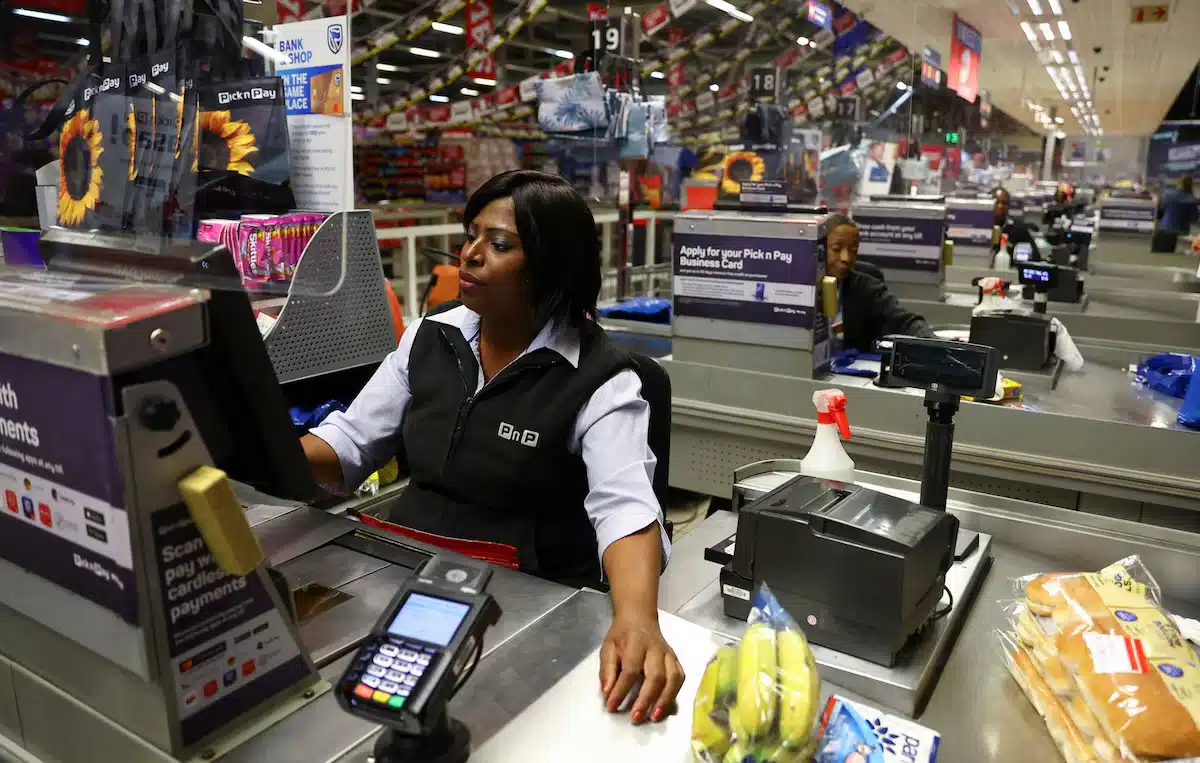
South Africa’s private sector contracted further in November, with the PMI slipping to 49.0, marking the fastest decline in eight months.
The softer reading was driven by lower new business and output, while input costs surged, putting pressure on margins. Industry and construction led the downturn, partially offset by steadier activity in services and wholesale & retail. Employment rose modestly, but input purchases remained muted amid subdued demand.
Despite these challenges, firms showed greater confidence for the year ahead, with optimism rising to the highest level in 12 months.
“After seeing improving business conditions throughout the middle of the year, the recent data may only reflect a modest cooling-off,” said David Owen. “The risk will be whether the uptick in price pressures observed in November is sustained, a factor that could hit business margins and customer demand.”