


Credit ratings agency Moody’s has revised Ghana’s sovereign credit outlook to “positive” from “stable,” while affirming the long-term issuer rating at Caa1. The move, announced on April 10, 2026, underscores tangible progress in the West African nation’s finances following its deepest economic crisis in decades.
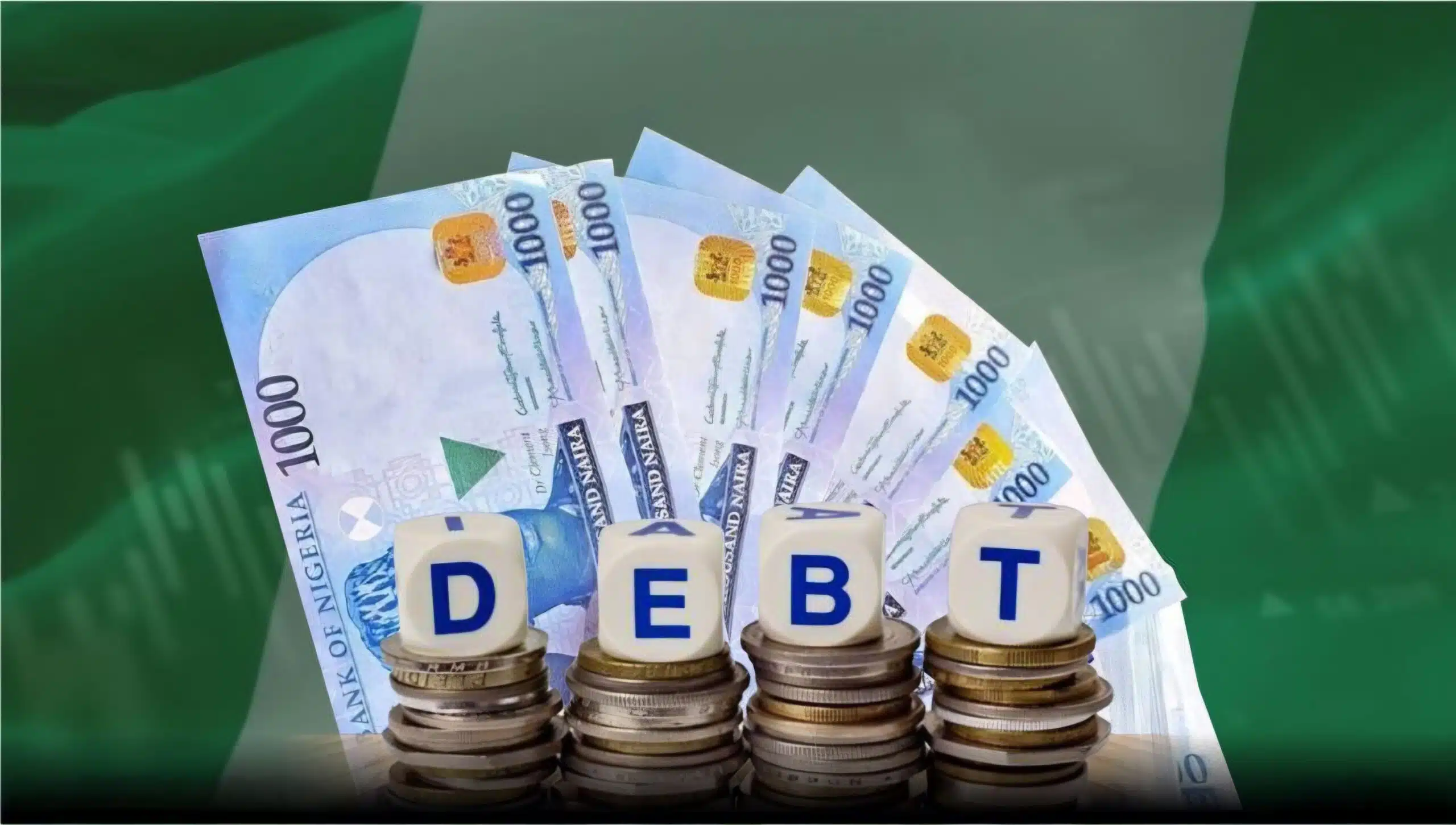
The revision highlights two core improvements: sharply lower domestic financing costs, driven by the Bank of Ghana’s monetary easing, and a strengthened fiscal position. Crucially, Ghana has resumed domestic bond issuances after a pause triggered by its 2023 debt default. In March 2026, the government lifted restrictions; by April, it successfully issued its first seven-year domestic bond. Moody’s noted that, “if sustained,” this will “gradually reduce rollover risk.”
What the positive outlook means for Ghana’s economy
While the Caa1 rating remains in speculative (junk) territory, reflecting lingering credit constraints and vulnerability to exchange-rate swings and commodity-price volatility, the positive outlook is a forward-looking signal.
It indicates Moody’s believes Ghana’s credit profile could improve over the next 12–18 months if current trends hold. For a country still rebuilding after defaulting on external debt and undergoing painful restructuring, this is more than symbolic.
Lower borrowing costs and greater fiscal space
Domestic financing costs have already fallen thanks to monetary policy easing. Cheaper government borrowing frees up resources that were previously swallowed by high interest payments. This creates breathing room in the budget for priority spending on infrastructure, agriculture, and social programs, areas critical for inclusive growth.
Finance Minister Cassiel Ato Forson told parliament in November 2025 that Ghana is now “poised for sustained growth in 2026.” The positive outlook reinforces market confidence that this trajectory is credible.
Reduced rollover risk and debt sustainability
By returning to the domestic bond market on a more normalised basis, Ghana is lengthening maturities and diversifying away from short-term, high-cost funding. This directly addresses the rollover risk that plagued the 2022–2023 crisis.
Over time, a more predictable domestic debt profile strengthens overall debt sustainability, making Ghana less dependent on volatile external financing and better able to weather shocks.
Boost to investor confidence and capital inflows
For global investors, a positive outlook from Moody’s is a green flag. It can narrow yield spreads on existing Eurobonds, potentially lowering the cost of any future international issuance.
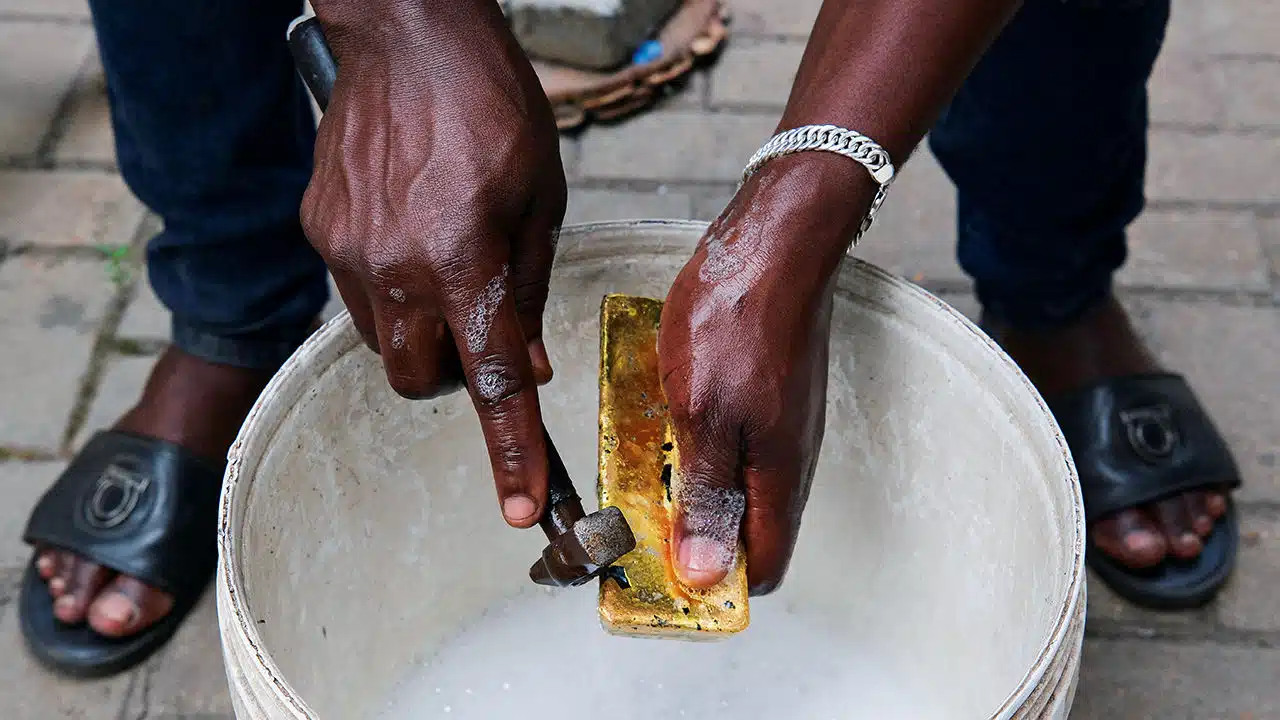
More broadly, it encourages foreign direct investment (FDI) into Ghana’s key sectors: gold, oil, cocoa, and emerging services. Higher FDI would support job creation, technology transfer, and non-debt-creating growth. In a region where many peers still face high risk premiums, Ghana’s incremental progress stands out.
Macroeconomic stability and growth momentum
Ghana is emerging from crisis with improving reserves, moderating inflation, and resilient commodity exports. The positive outlook validates the effectiveness of fiscal consolidation and IMF-supported reforms.
If sustained, it positions the economy for the 5–6% growth range projected for 2026 and beyond, enough to begin absorbing a young, growing population and reducing poverty, provided structural reforms continue.
Remaining headwinds
The rating remains Caa1, and Moody’s explicitly flags “continuing credit constraints” and high susceptibility to exchange-rate and commodity-price volatility, exacerbated by ongoing Middle East tensions that could affect oil prices and global risk sentiment. Any slippage in fiscal discipline or reform implementation could reverse gains quickly.
Moody’s positive outlook is not a full upgrade, but it marks a meaningful vote of confidence in Ghana’s post-default stabilisation efforts. For Ghana’s economy, it translates into cheaper domestic borrowing today, better access to capital tomorrow, and a stronger platform for sustained growth in 2026 and beyond.
In the eyes of international markets, the country is no longer just managing a crisis, it is beginning to build resilience. Execution will determine whether this positive signal becomes the first step toward investment-grade territory.