


Nigeria’s National Assembly on 31 March 2026 approved an increase to 2026 to $49.38 billion (₦68.30 trillion), a 17% increase from President Bola Tinubu’s original December 2025 proposal of approximately $40 billion (₦58.18 trillion).
The upward adjustment was justified as necessary to cover outstanding capital projects and avoid fiscal disruptions, while supporting the administration’s reform agenda of accelerating growth through higher infrastructure spending.
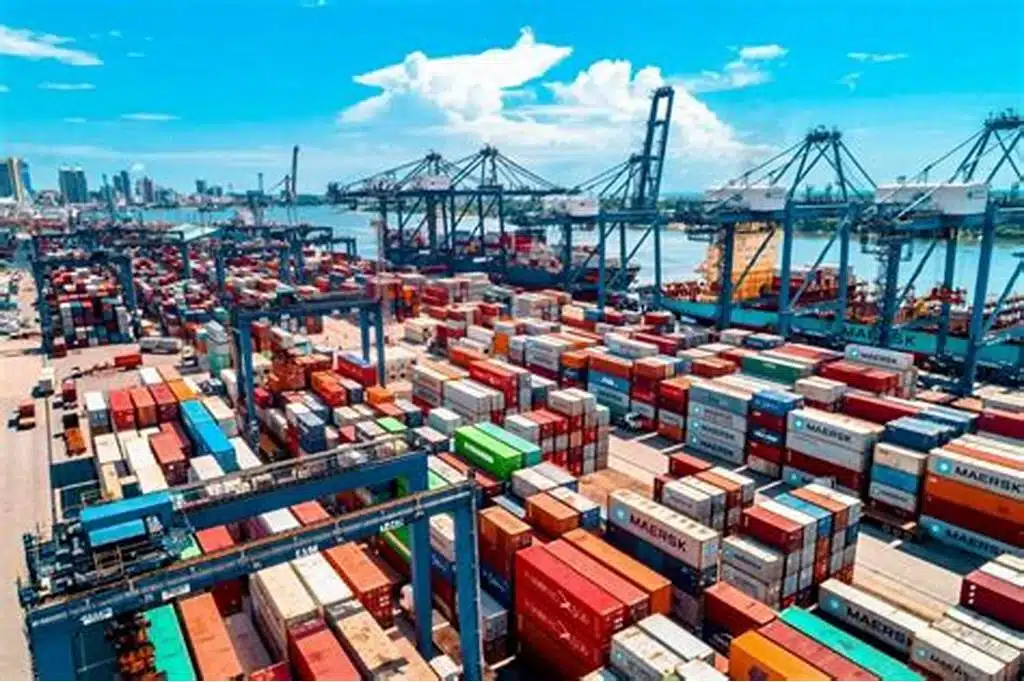
Concurrently, the Senate approved a fresh $6 billion external loan package, including $5 billion from Abu Dhabi’s First Abu Dhabi Bank for budget support and debt servicing, and $1 billion from Citi Bank/UK Export Finance for Lagos port rehabilitation.
This latest borrowing push comes as Nigeria’s total public debt reached $103.94 billion (₦153.29 trillion) as of 30 September 2025, according to the Debt Management Office (DMO). Domestic debt stood at $55.47 billion, while external debt was $48.46 billion
Rapid debt growth over the last three years
Nigeria’s public debt has expanded significantly since mid-2023:
- Mid-2023 (around the start of the Tinubu administration): approximately $59 billion (₦87.38 trillion).
- March 2025: around $97–100 billion (₦149.39 trillion).
- June 2025: $99.66 billion (₦152.39–152.40 trillion).
- September 2025: $103.94 billion (₦153.29 trillion), reflecting a 7.7% year-on-year rise, largely driven by domestic borrowing.
Under President Tinubu (from May 2023 to September 2025), public debt rose by roughly $45 billion (₦66 trillion) in just over two years, averaging about $20 billion (₦29 trillion) annually. By comparison, the previous administration (2015–2023) added roughly $52 billion (₦75.3 trillion) over eight years, or about $6.5 billion (₦9.4 trillion) per year on average. This accelerated pace under the current administration has drawn sharp criticism for its speed and sustainability.
The debt-to-GDP ratio has remained relatively moderate in official projections (around 34.7–39% for 2026 depending on GDP rebasing), but analysts warn that optimistic assumptions mask underlying vulnerabilities, especially with persistent deficits and high servicing costs.
Why Nigeria keeps borrowing
Nigeria continues to face persistent budget deficits rooted in structural challenges:
Revenue shortfalls: Heavy dependence on volatile oil revenues combined with historically weak non-oil tax collection. The 2026 budget projects revenue of approximately $23.5–24.5 billion (₦34–35 trillion) against total spending that now exceeds $49 billion (₦68 trillion) following the National Assembly’s approval, resulting in a deficit of around $17.25 billion (₦23.85 trillion) or about 4.28% of GDP. Critics argue these revenue targets remain overly optimistic, setting the stage for even larger borrowing needs.
Reform-related spending pressures: Tinubu’s key policies; removal of fuel subsidies, foreign exchange unification, and tax reforms, initially triggered higher inflation and widespread economic hardship. While intended to create long-term fiscal space, borrowing in the interim has bridged gaps for infrastructure, security, and social support, often without clear evidence of immediate revenue gains.
Infrastructure and capital backlogs: The 2026 budget allocates a substantial portion (around $18.9 billion or ₦26.08 trillion in the original proposal) to capital projects in roads, rails, ports, power, and agriculture.
Capital spending remains high, yet execution rates have historically been low (around 26–30%), leading to repeated borrowing for projects that remain incomplete across budget cycles.
The newly approved $6 billion package reflects a mix of budget support, debt servicing, and infrastructure investment — signalling that a growing share of borrowing is being used to manage existing obligations.
How previous loans have been used
Nigeria has historically relied on multilateral institutions such as the World Bank and IMF, bilateral lenders including China, and commercial markets through Eurobond issuances.
Borrowed funds have supported infrastructure projects, including rail modernisation and power investments, as well as emergency financing such as the IMF’s $3.4 billion COVID-19 facility (now repaid).
However, a rising portion of new borrowing has gone toward recurrent spending and rolling over existing debt obligations rather than delivering transformative assets. In the 2026 budget framework, debt servicing alone is projected at around $10.6–11.3 billion (₦15.52–15.9 trillion), consuming roughly 45–50% (or more in some estimates) of expected revenue and about 27% of total expenditure.
This crowds out meaningful allocations for capital development, education, healthcare, and poverty alleviation. While some flagship projects have progressed, chronic issues of poor project execution, political discontinuities, inflated contracts, and governance inefficiencies have undermined the developmental impact of past loans.
Critics highlight that many infrastructure initiatives suffer from delays, cost overruns, and limited tangible benefits for ordinary citizens, raising questions about whether borrowed funds are being deployed with sufficient accountability and efficiency.
Economic implications
Short-term pressures:
- Debt servicing now rivals or exceeds capital spending in impact, severely constraining resources for essential services like education, healthcare, and poverty reduction programs.
- Heavy domestic borrowing competes with the private sector for credit, keeping interest rates elevated and dampening investment and growth.
- Inflation risks persist despite some easing; sustained large-scale borrowing (particularly if any portion is indirectly monetized) could reignite price pressures and erode living standards further.
Longer-term risks and opportunities:
- Sustainability questions: The high debt service-to-revenue ratio (approaching or exceeding 50% in projections) leaves little fiscal space. Any naira depreciation, oil revenue shortfall, or execution failure would sharply worsen the burden, increasing rollover and refinancing risks. Opposition voices and analysts increasingly warn of a potential “debt trap,” where new loans primarily service old ones, mortgaging future generations with limited visible returns.
- Growth potential: Proponents argue that if funds are effectively channelled into productivity-enhancing infrastructure, non-oil revenue growth, and diversification, Nigeria’s projected GDP growth of around 4% for 2026 could materialise, supported by stabilising reserves. However, repeated low execution rates and structural weaknesses cast doubt on this optimistic scenario.
- Intergenerational equity and governance concerns: The current trajectory risks creating unsustainable fiscal strain with uneven benefits. Without radical improvements in revenue mobilisation (especially non-oil taxes), project delivery discipline, and anti-corruption measures, borrowing risks becoming a self-reinforcing cycle rather than a bridge to genuine reform success.
Nigeria is borrowing heavily because current revenues cannot support ambitious spending amid infrastructure deficits and reform transitions.
While the government’s strategy assumes today’s investments will yield tomorrow’s growth and revenue, persistent challenges in execution, revenue realism, and fiscal discipline raise serious concerns that the approach may instead deepen dependency, crowd out productive spending, and heighten long-term vulnerability.
Breaking the cycle will require far more than additional loans: it demands rigorous accountability, higher execution standards, and a credible shift toward self-sustaining revenue generation to avoid saddling future budgets with ever-rising obligations.