
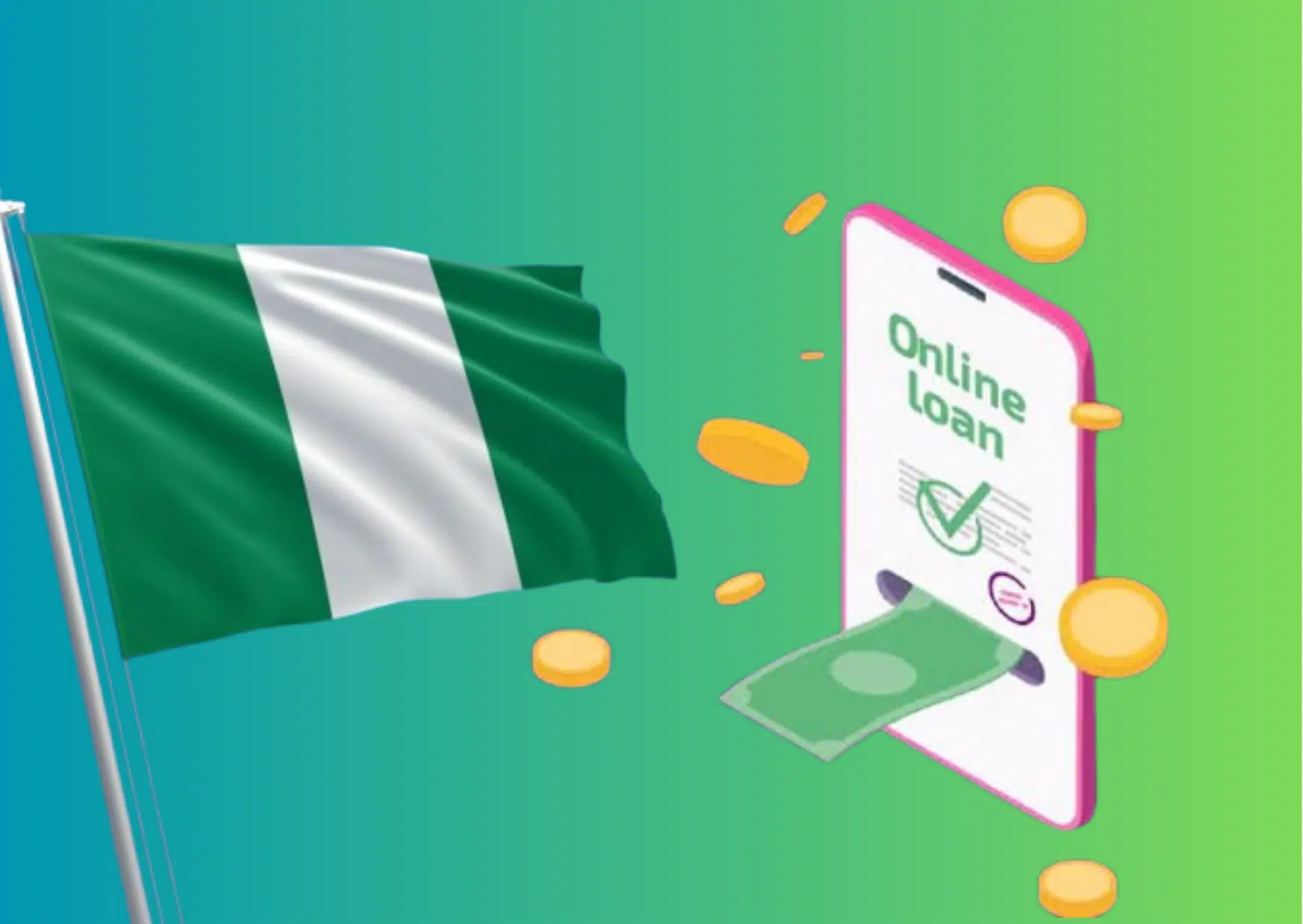


In Nigeria, a loan can now arrive on your phone before your coffee gets cold, and across Africa, fintech is moving at a similar lightning pace.
Startups across the continent have raised over $3.4 billion in 2025, as mobile payments, digital wallets, and online lending platforms transform the way people borrow, pay, and save. Nigeria stands out in this digital surge.
Last year alone, Nigerian fintechs pulled in $520 million, making the country the continent’s most heavily funded market. Much of this momentum comes from digital lending platforms, which now account for over 35% of all fintech firms in Nigeria.
According to the Central Bank of Nigeria (CBN) Fintech Report 2026, these platforms disbursed loans totalling $865 million in 2025, with annualised transaction growth exceeding 45% since 2022, far outpacing traditional microfinance institutions.
The rapid expansion of digital lending has made it the most visible and influential segment of Nigeria’s fintech sector. It has also opened access to credit for millions of previously underserved adults, while creating new opportunities and also challenges for investors, consumers, and regulators alike.
Why digital lending is booming
Digital lending has taken off in Nigeria by reaching over 50 million adults with little or no access to traditional banks, which are often slowed by high costs, long processes, and strict credit requirements.
Operating entirely on smartphones, digital lenders provide small, fast loans approved in minutes, a speed and convenience that appeals to users across urban and rural areas.
The sector’s growth is powered by data. Because many fintech lenders lack full access to traditional credit bureau records, they rely on alternative data such as mobile transaction histories, app usage patterns, repayment behaviour, and broader digital footprints to assess risk. This approach allows them to lend confidently at scale while keeping operational costs low.
High mobile adoption and familiarity with digital payments have also played a role. With over 200 million active mobile connections, Nigerians are increasingly comfortable borrowing and transacting through apps rather than traditional credit channels.
In addition, mechanisms such as the Central Bank of Nigeria’s Global Standing Instruction (GSI), which allows lenders to recover unpaid loans from other bank accounts linked to a borrower’s BVN, have strengthened repayment enforcement and encouraged more aggressive lending models.
Finally, a still-evolving regulatory framework has shaped the sector. While the CBN has established licensing guidelines, many platforms can move faster than traditional banks, fueling rapid growth and new opportunities for startups and investors, though this speed also raises questions about taxation, compliance, and risk.
Despite this growth, further evidence shows Nigeria has barely scratched the surface.
“Access to credit for the average Nigerian remains almost zero, noting that real access only exists when loans are affordable, timely, and structured around realistic repayment terms,” Adedeji Olowe, Founder and CEO of Lendsqr and Board Chairman of Paystack, told us in an interview.
According to him, banks often restrict lending to customers they know deeply, while alternative lenders raise interest rates to compensate for uncertainty, leaving many productive borrowers stuck in the middle.
The shadow side of Nigeria’s fintech boom
By mid-2025, over 1,500 loan apps were available to Nigerian users, yet fewer than 300 had official approval from the Central Bank of Nigeria (CBN) or the Federal Competition and Consumer Protection Commission (FCCPC).
This shows how quickly digital lending has grown beyond the reach of regulators. A large part of this activity happens outside clear rules, making it hard to hold anyone accountable for consumer protection or proper oversight.
Some platforms take advantage of these legal gaps as they register as technology or data-processing companies rather than financial institutions, even though they provide loans. Others partner with licensed microfinance banks but still control key parts of the lending process, such as pricing, assessing risk, and collecting repayments. This setup makes it unclear who is responsible for following the rules.
These regulatory gaps also affect taxation and government revenue. Fintech companies are supposed to pay corporate taxes, VAT on service fees (not on loan interest), and other levies, but enforcement is uneven, and reporting is inconsistent.
Nigeria’s tax system has struggled to keep up with how fast and complex digital finance has become, leaving a lot of activity outside the official system. Even though digital lending platforms disbursed about $865 million in loans and the Electronic Money Transfer Levy (EMTL) collections rose to around $282 million, well above the original $166 million projection, a large amount of potential revenue is still lost.
More broadly, the digital economy contributes much less to government revenue than its size suggests. Nigeria’s tax-to-GDP ratio remains one of the lowest in the world, and many fintech activities, from lending to payments, are only partly captured by the tax system.
The impact of digital lending on Sub-Saharan economies
Just like in Nigeria, digital lending has also rapidly reshaped the financial landscape across Sub‑Saharan Africa, offering households and businesses faster access to credit and expanding financial inclusion.
In Kenya, licensed digital credit providers disbursed roughly $594 million in total loans by mid‑2025, reaching approximately 5.5 million active credit accounts. In Ghana, mobile money transactions exceeded $270 billion in the first ten months of 2025, highlighting the scale of digital finance and the growing potential for embedded lending.
The evolution of digital lending has also transformed how borrowers engage with finance. Many businesses and entrepreneurs now access credit within hours, bypassing traditional banks. Embedded products such as Kenya’s M‑Shwari and NCBA Fuliza have further amplified access, with NCBA Group alone disbursing over $7.7 billion in 2024.
The effects on economic activity are visible in sector performance. Digital credit fuels small and medium enterprise (SME) activity, with 87 % of digital borrowers in Kenya identified as SME owners using credit to purchase equipment, expand operations, and grow sales —activities closely linked to output and employment gains. Research also shows digital credit can support income increases of around 25 % among borrowers in agriculture and related sectors, enabling reinvestment and productivity growth.
However, high default rates have created structural challenges. In Kenya, default rates for very small loans under $8 reached 83 %, while larger loans between $357–$714 defaulted at roughly 16.4 %, and some broader segments saw defaults of up to 40 % in 2024.
“Many borrowers don’t pay back because there are no consequences, and if lenders reported all borrowers to credit bureaus, no one could hide debts,” Olowe said. “A strong legal framework and systems like the Global Standing Instruction could massively increase access to credit without costing the government a dime.”
Without such measures, these defaults weaken lenders’ profitability, constrain their capacity to extend new credit, and increase the risk of over‑indebtedness, while governments face difficulties in tax collection and economic planning because revenue projections become less reliable.
In Ghana, incomplete reporting and high repayment uncertainty complicate credit assessments, even though around 22 % of adults borrow via mobile money providers. The challenges mirror those in Kenya, suggesting that gaps in reporting and enforcement are a common barrier to reliable digital lending across the region.
Across both countries, digital lending expands access to finance but introduces significant fiscal and economic challenges.
How has closing this gap helped the economy
In recent years, Nigeria, Kenya, and Ghana have strengthened rules for digital lenders, improving economic transparency, fiscal planning, and revenue visibility.
The Nigerian Federal Consumer and Competition Protection Commission’s 2025 Digital Lending Regulations require all digital lenders to register, disclose fees and terms, and follow ethical practices. As a result, nearly 500 platforms are now registered, making it easier for authorities to track loans and taxable income.
Kenya’s Digital Credit Providers Regulations license lenders and require audited financial data. Over 195 licensed providers now report loan disbursements and repayments. By late 2025, licensed digital credit providers in Kenya had disbursed more than 6.6 million loans valued at roughly $854 million, showing how formalisation channels a huge volume of economic activity into regulated systems.
Furthermore, Ghana’s Bank of Ghana directive shifts digital credit from informal to regulated, with capital, governance, and reporting standards. Data from mobile money and digital lending now feed into credit bureaus and fiscal planning systems.
Formal licences also give governments higher-quality fiscal and economic data, improving forecasting and revenue planning. Previously untracked loan activity is now visible, helping policymakers monitor repayments, consumer behaviour, and sector risks.
Across Nigeria, Kenya, and Ghana, formalising digital lending has bolstered consumer protection, deepened economic data flows, improved market confidence, and laid a stronger foundation for sustainable economic growth as fintech becomes a reliable part of the formal financial system.