


South Africa’s Revenue Service (SARS) has crossed a historic milestone, collecting net revenue of $119.73 billion (R2.01 trillion) for the fiscal year ended 31 March 2026. This represents an 8.4% increase from the previous year and marks the first time net collections have surpassed the $119 billion+ (R2 trillion) threshold in the country’s democratic era.
Preliminary figures released on 1 April 2026 show the haul exceeded the 2025 budget forecast by $1.46 billion (R24.7 billion), providing a welcome fiscal buffer despite a sluggish domestic economy that grew just 1.1% in real terms in 2025, well below initial government and central bank projections.
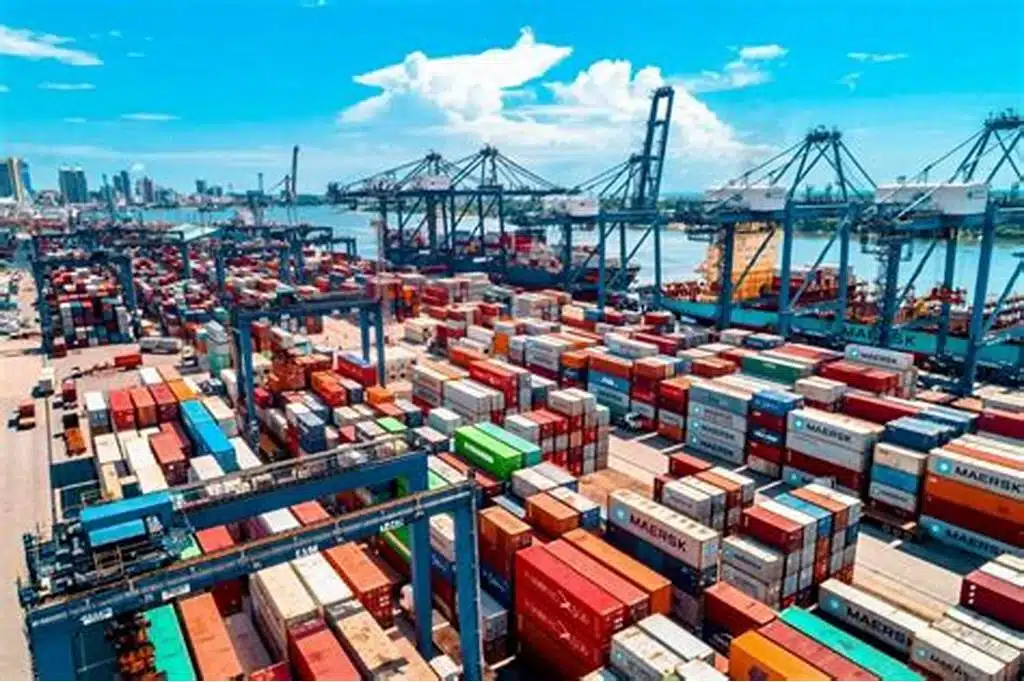
The outperformance came against a backdrop of persistent geopolitical tensions, global supply-chain disruptions, rising illicit economic activity, and structural domestic challenges, including logistics bottlenecks and infrastructure constraints.
Breakdown of key tax streams highlights broad-based resilience. Pay As You Earn (PAYE) from personal income tax advanced 8.5% to $45.3 billion (R767 billion), while domestic value-added tax (VAT) rose 7.6% to $35.6 billion (R604 billion).
Corporate income tax grew strongly at 9.9% to $21 billion (R355.5 billion). Compliance initiatives played a significant role, with compliance revenue climbing to $18.7 billion (R316 billion) from $18 billion (R304 billion) the prior year. The tax base also expanded, growing 3.8% to 34 million registered taxpayers, driven largely by new individual registrations.
The mining sector delivered a notable contribution of approximately $296 million (R5 billion) to the revenue overperformance. Higher commodity prices for gold, platinum group metals (PGMs), chrome, and manganese supported stronger corporate profitability and royalties in the sector, which remains a critical pillar of South Africa’s export earnings and fiscal base despite its declining share of overall GDP (around 5.8% in recent estimates).
Economic and fiscal implications
The $1.46 billion (R24.7 billion) positive surprise equates to roughly 0.3–0.4% of South Africa’s nominal GDP, estimated at approximately $426–443 billion for 2025. This extra headroom offers the National Treasury meaningful flexibility heading into the new fiscal year.
It could help moderate future borrowing needs, reduce pressure on public debt levels, or enable targeted spending on infrastructure and social programmes without immediate tax hikes, as evidenced by the avoidance of an originally mooted VAT increase.
For international investors and credit rating agencies, the stronger collections underscore the effectiveness of SARS’ compliance and efficiency drives under outgoing Commissioner Edward Kieswetter.
They signal resilience in the formal tax base at a time when many emerging markets face revenue volatility. South Africa continues to serve as a key gateway for capital into sub-Saharan Africa, and predictable fiscal performance supports investor confidence in its macroeconomic framework.
However, the outlook for 2026/27 is more tempered. SARS has forecasted net collections of $126 billion (R2.13 trillion), reflecting a moderate 5.8% year-on-year growth. This cautious projection acknowledges ongoing economic headwinds and aligns with modest real GDP growth forecasts of around 1.6% for 2026.
Nominal GDP growth of roughly 5.4% in the prior year was outpaced by the 8.4% revenue increase, but sustaining such momentum will prove challenging amid volatile global commodity prices, energy reliability issues, and slow progress on structural reforms.
Analysts note that while the current windfall provides breathing room, long-term fiscal sustainability will depend on accelerating inclusive growth, improving logistics and energy infrastructure, and broadening the tax base further. Mining’s marginal but welcome boost also highlights the sector’s enduring but volatile role; sustained contributions will require addressing high electricity costs, rail and port inefficiencies, and permitting delays.
The preliminary data, issued just days after the fiscal year closed, offers an early positive signal for South Africa’s fiscal health as the government prepares its next budget cycle. Markets will closely monitor how the additional revenue is allocated and whether compliance gains can be maintained amid a still-fragile recovery.
With global interest rates, trade policies, and commodity cycles remaining uncertain, South Africa’s ability to convert this revenue resilience into broader economic momentum will be a key test for policymakers in the year ahead.