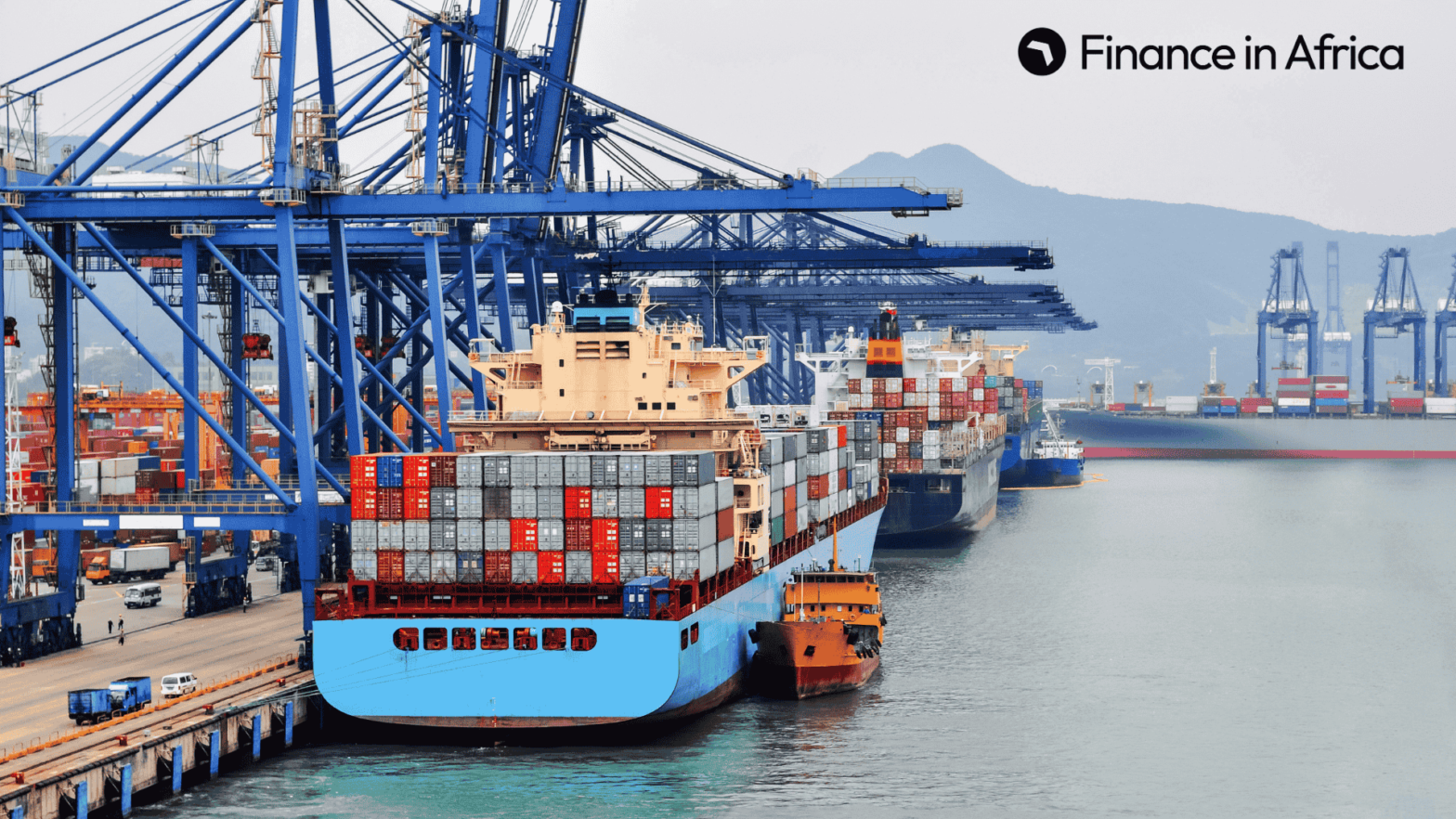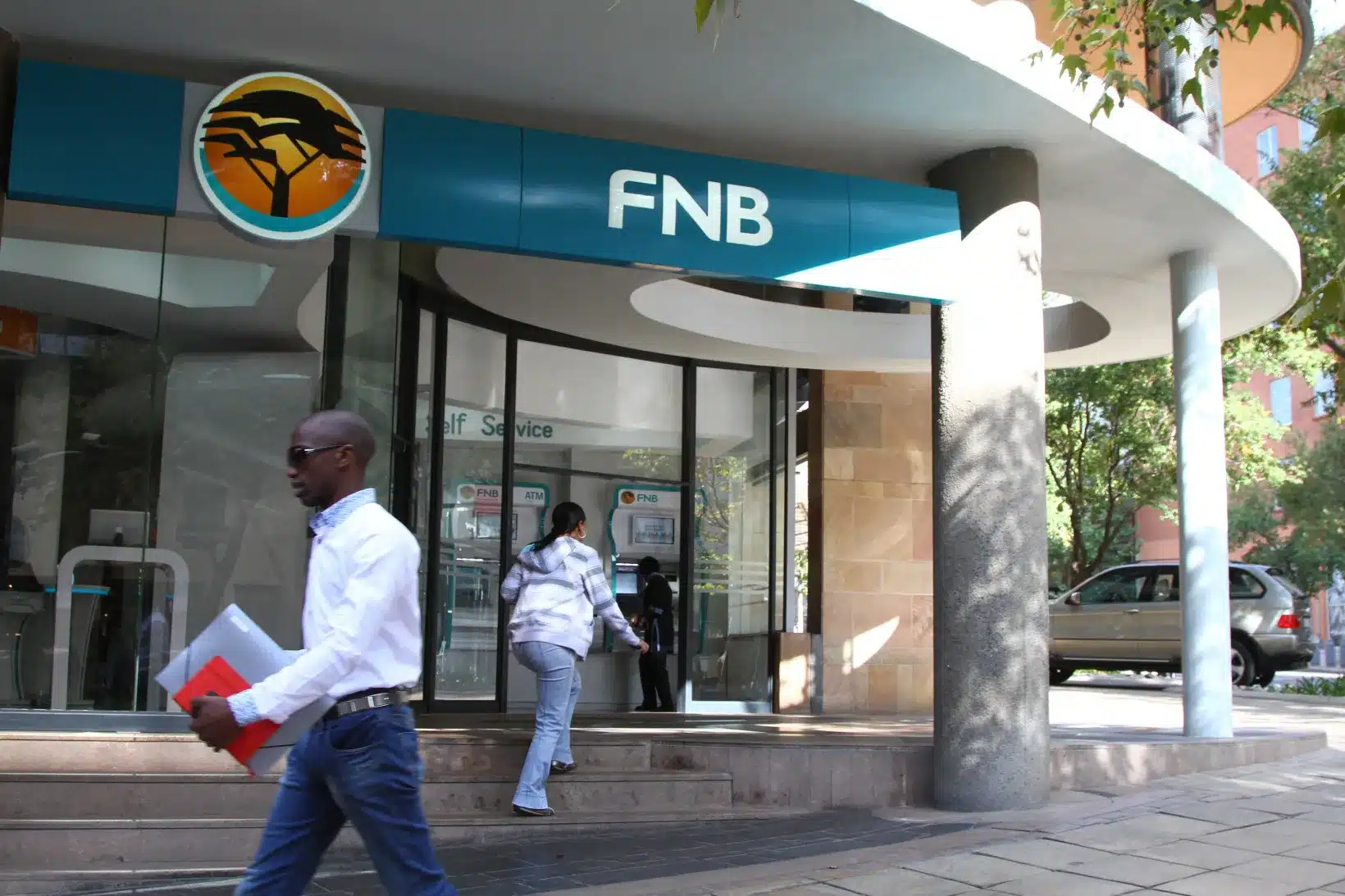



When Washington launched its sweeping tariff onslaught against trading partners a year ago, South Africa quickly found itself in the crosshairs. Its export profile, heavy in automobiles, metals and agriculture products, made it particularly vulnerable to a policy shift aimed squarely at reviving US industrial capacity.
Within five months, Africa’s most industrialised economy went from grappling with a 25% tariff on vehicle sales to confronting a drastic surge in duties across key sectors, with some products effectively facing triple-digit increases.
What US President Donald Trump framed as a strategic reset of global trade flows threatened to unwind years of gains for Pretoria, raising fears of job losses, weaker foreign exchange inflows and spillover effects across the Southern African region.
At the time, expectations were unambiguously negative.
Industry groups warned of a sharp contraction in manufacturing output, while policymakers braced for a broader external shock. But the outcome proved more complex.
Despite the scale of tariff increases, the US retained its position as South Africa’s third-largest trading partner after China and Germany in 2025, accounting for 7.1% of total exports and 6.8% of imports, according to new data from the South African Reserve Bank (SARB) seen by Finance In Africa.
More notably, the country maintained a trade surplus with the world’s largest economy—even after tariff pressures cut that surplus by more than 40%— pointing to a resilient system amid mounting strain.
What changed?
South Africa’s trade relationship with America has long been defined by an imbalance in its favour. For decades, exports, ranging from minerals to manufactured goods, have consistently outpaced imports, delivering a steady surplus.
This advantage was amplified by preferential access under the African Growth and Opportunity Act (AGOA), and by elevated commodity prices during global upcycles. By 2021, South Africa’s trade surplus with the US had peaked at $6.1 billion (R108 billion).
However, by 2024, that momentum had already begun to fade with US-bound exports falling to $8.6 billion (R156.8 billion) and dragging the positive balance down to $2 billion (R36.4 billion), marking a 66.3% drop from its summit in local currency terms.
The decline came as diplomatic friction, including tensions linked to Pretoria’s alleged alignment with Russia, started to weigh on trade flows even before tariffs entered the equation.
In 2025, those tensions translated into policy.
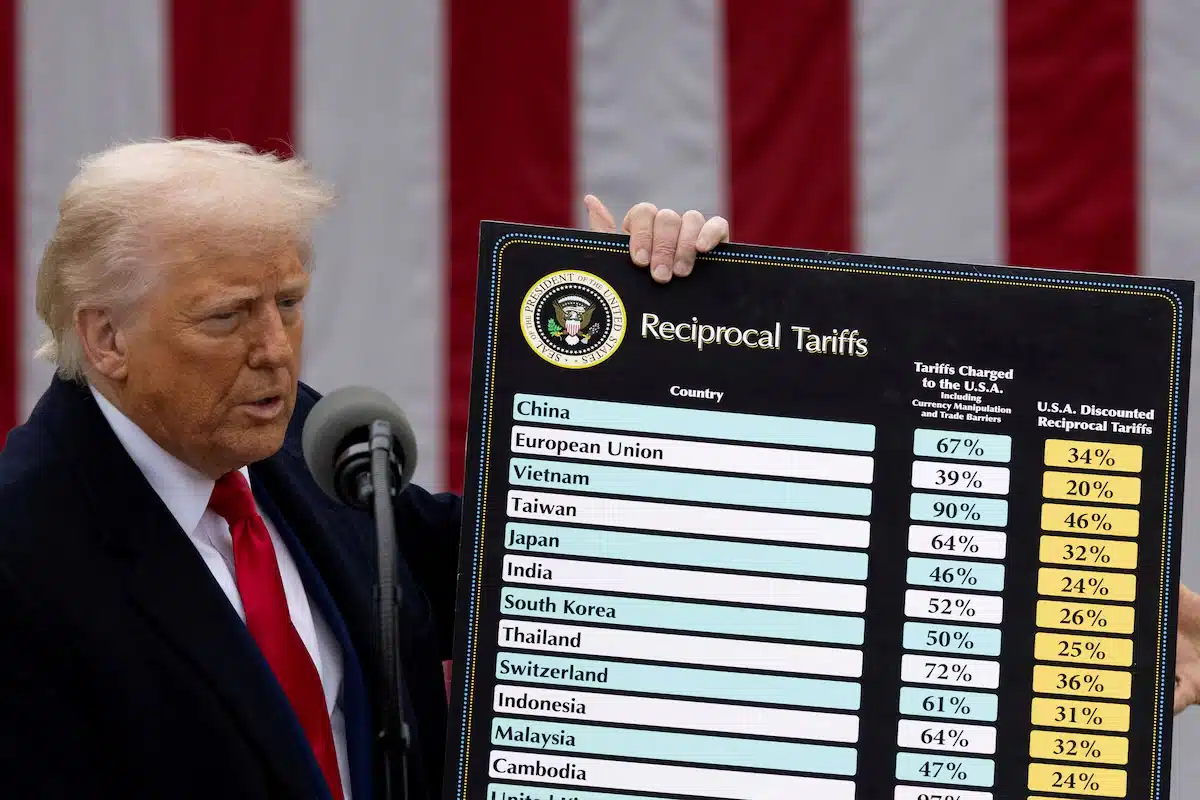
The turning point came on April 1, when the US slammed a 30% reciprocal tariff on selected South African imports as part of an aggressive move aimed at narrowing persistent trade imbalances with its over 150 trading partners.
According to the SARB’s latest Quarterly Statistical Bulletin, the measure came into force in August, leaving Pretoria facing the highest US tariffs in Africa and disproportionately hitting manufacturing exports.
The move also compounded earlier actions. In March, the US introduced the “Section 232 tariffs” which include a 25% duty on vehicles and parts, alongside similar levies on steel and aluminium. By June, duties on metals had doubled to 50%, pushing effective rates far above the roughly 5% average that had prevailed previously.
As a result, exports to the US continued their downward trajectory in 2025, narrowing South Africa’s trade surplus further to $1.21 billion (R21.7 billion)—a 40.4% decline from the previous year.
SARB data captures the shift in granular detail:
“South Africa’s export volumes to the US have been trending lower since the third quarter of 2024, largely reflecting the reduced export volumes of vehicles and transport equipment.”
“The export volumes briefly recovered in the third quarter of 2025, likely reflecting pre-emptive buying in anticipation of the impending 30% reciprocal tariff that was implemented in August.”
“The volume of domestic exports to the US then resumed its downward trend in the fourth quarter of 2025, mainly due to notable declines in the exports of mineral and vegetable products.”
Lapse in AGOA
Adding to the pressure was the temporary lapse of AGOA benefits in September 2025, which the SARB identified as another drag on trade performance.
For more than two decades, AGOA had allowed eligible African exports to enter the US market duty-free or at reduced rates, supporting sectors such as automotive, agriculture and processed goods. For Pretoria, the programme was particularly valuable for vehicle exports, fruit and wine.
That advantage briefly disappeared at the height of the tariff escalation.
The uncertainty surrounding AGOA’s future was not new. As early as 2023, US lawmakers had raised the prospect of revoking South Africa’s eligibility, citing its ties with other BRICS partners and other geopolitical concerns. By 2025, those tensions resurfaced, casting doubt over the programme’s continuity just as tariffs were intensifying.
Although AGOA was ultimately extended in February 2026, the relief was limited. The renewal was backdated to September 2025 and will expire at the end of the year, leaving little room for long-term planning.
As Eckard Naumann, an independent economist and associate at Stellenbosch’s Trade Law Centre, put it:
“This short-term renewal on its own won’t result in any new investment by African businesses or any longer-term planning by US businesses sourcing from Africa.”
“It’s a stop-gap measure at best.”
In practical terms, the extension does little to offset the impact of tariffs that remain firmly in place.
Pearls and precious metals escape punitive tariffs
Not all sectors were equally exposed.
The US carved out exemptions for products deemed strategically important, including platinum group metals (PGMs), gold, coal, manganese, chrome ore and certain pharmaceuticals.
With lower tariff exposure, exports of pearls and precious and semi-precious stones surged by 78.1% in the second half of 2025, SARB stated.
The bank said the increase reflected both higher global prices for PGMs and a rebound in production following earlier disruptions caused by flooding at domestic mining operations, providing a counterweight to losses elsewhere.
By contrast, exports of vehicles, base metals and related manufactured goods declined steadily through the year, weighed down not only by tariffs but also by persistent logistical bottlenecks at South African ports. Mineral exports also weakened, with a sharp drop in shipments of titanium ores and concentrates.
South Africa seeks new markets
As access to the US market became more constrained, South Africa adjusted.
Exports were redirected to alternative destinations, with countries such as Zimbabwe and Belgium absorbing some of the displaced volumes. Within BRICS, shipments to India and Brazil increased in the final quarter of the year, partially offsetting declines to the US and Russia.
This rebalancing underscores the flexibility of South Africa’s trade network and reflects a broader pattern.
Despite pressures in the US corridor, Pretoria recorded a trade surplus of R$11.8 billion (212 billion) with the rest of the world in 2025, extending a longstanding trend, even as higher import costs—up by $1.6 billion (R28 billion)—narrowed the margin slightly.
The SARB data suggests a quiet but important shift: South Africa is increasingly willing to diversify its markets when conditions deteriorate.
For other African economies, the lesson is clear. Heavy reliance on a single export destination creates vulnerability, particularly in an era of rising protectionism.
NB: The respective average exchange rates for each year mentioned were used as follows: R17.8/$1 (2021), R18.3/$1 (2024), and R17.9/$1 (2025).