


Economic growth in West Africa is projected to ease slightly in 2026 as rising debt obligations and constrained public finances limit governments’ ability to stimulate activity, according to new forecasts by PwC.
Gross domestic product (GDP) across the region is expected to moderate to 4.2% in 2026, down from an estimated 4.4% in 2025, as debt servicing costs continue to absorb a larger share of government revenue, narrowing fiscal space.
The slowdown comes even as macroeconomic conditions stabilise and investor sentiment improves across several of the region’s largest economies.
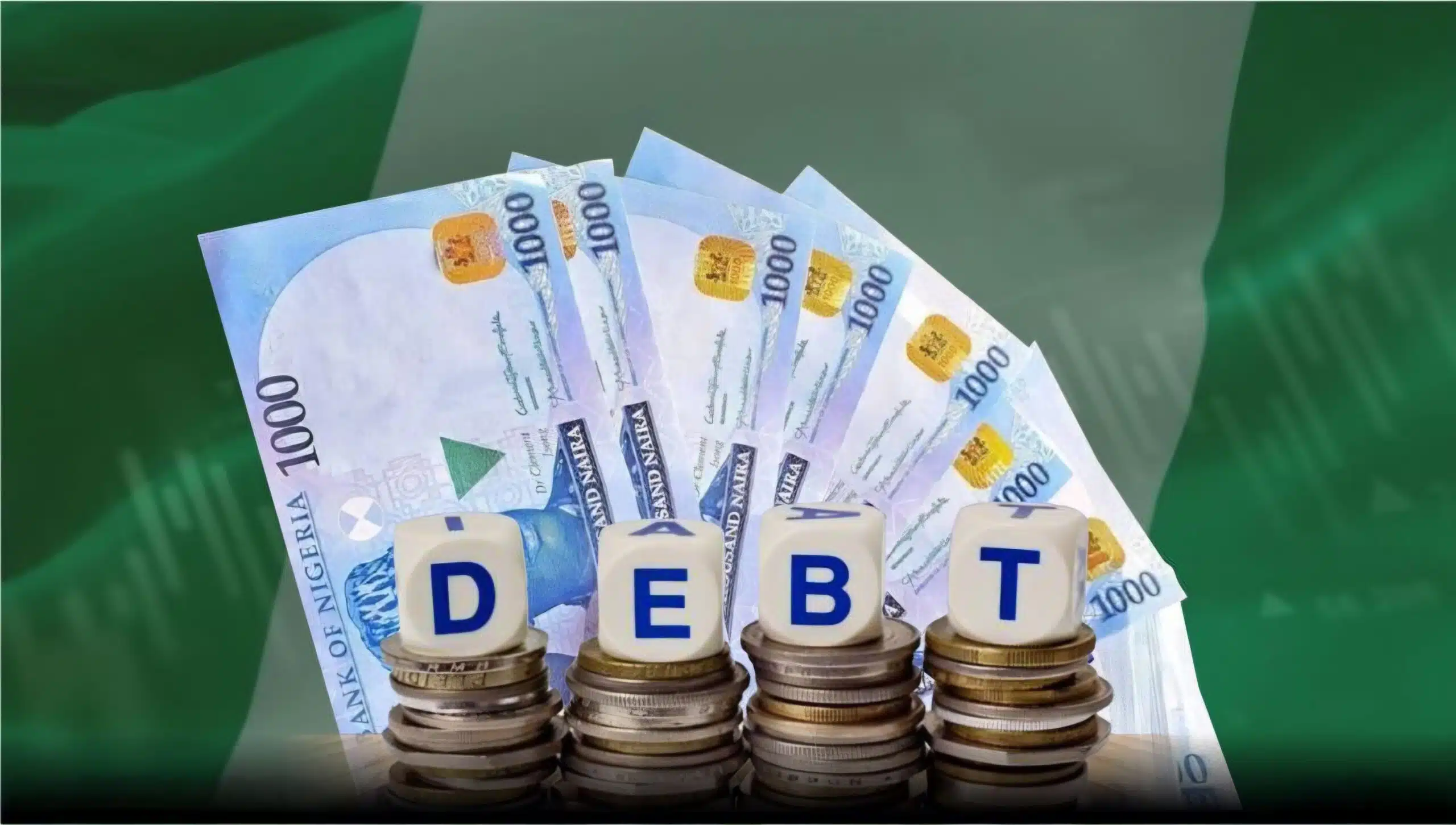
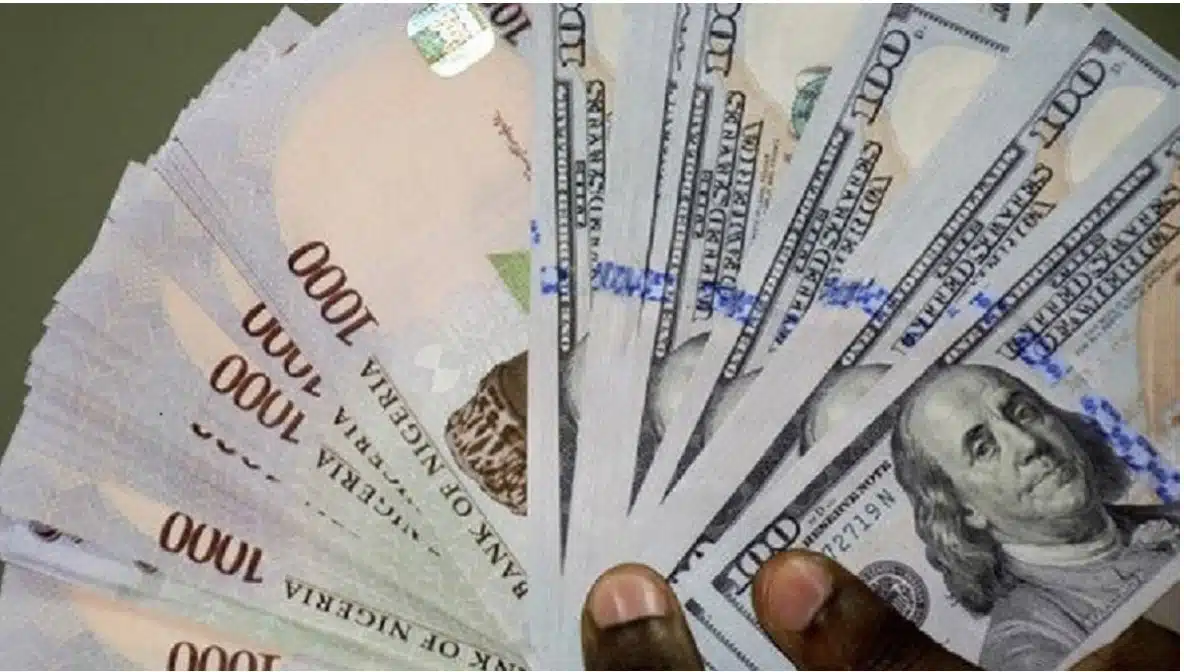
PwC noted that Nigeria, West Africa’s biggest economy, remains particularly exposed to fiscal strain. Debt service is projected at ₦15.52 trillion ($11.2 billion) in 2026 against expected revenue of ₦34.33 trillion ($24.7 billion) implying a debt service-to-revenue ratio of about 45%, one of the highest in the region.
Still, the projected cooling represents a modest adjustment rather than a reversal. Regional growth remains stronger than in 2023, when expansion slowed to 3.6% before rebounding to 4.1% in 2024.
In its 2026 West Africa Economic Outlook, PwC said growth would be underpinned by “continued domestic demand, expanding infrastructure and energy projects, and rising oil and gas output in countries such as Senegal and Niger,”
The global consulting firm also expects sustained policy reforms to support investment and macroeconomic stability in Nigeria, Ghana and Côte d’Ivoire.
Debt pressures persist
Public debt pressures across West Africa are likely to stabilise or edge slightly higher in 2026, reinforcing fiscal constraints even as consolidation efforts gather pace, PWC said.
Ghana’s debt dynamics are projected to improve further as restructuring efforts and tighter fiscal discipline rebuild confidence, helping to lower refinancing and interest costs. Reforms in the domestic gold sector are also expected to support the cocoa producer’s currency and limit the accumulation of foreign-currency-denominated debt.
Nigeria, by contrast, remains fiscally vulnerable. High debt servicing costs continue to crowd out spending, limiting the government’s capacity to support growth.
Across the region, primary balances are expected to remain in deficit through 2027, although the shortfall is gradually narrowing—from 6% of GDP in 2021 to a projected 3.5% in 2026—signalling slow but steady fiscal consolidation. According to the firms’s estimates gross government debt rose sharply from 46% of GDP in 2021 to 54.1% in 2023, before stabilising around 51–52% between 2024 and 2027.
“The combination of narrowing deficits and high but stabilising debt indicates that while governments are improving fiscal discipline, overall debt levels continue to limit fiscal space,” the authors noted.
Cooling inflation opens door for further monetary easing
Inflation across West Africa is projected to decline sharply to 11.1% in 2026 from 15.7% in 2025, reflecting easing food prices, moderating global cost pressures and improving macroeconomic stability.
In Nigeria, inflation is expected to remain on a downward path as food prices stabilise and policy measures support price moderation. Headline inflation fell from 24.4%in January 2025 to 14.5% in November, year-on-year, under the previous price basket framework.
Meanwhile, Ghana’s inflation is forecast to stabilise within the central bank’s target range of 6–10% in 2026, after falling to 5.4% in December 2025, driven by declines in both food and non-food inflation.
As price pressures ease, central banks across the region are expected to accelerate the loosening cycle that began in 2025. Interest rates in Africa’s most populous nations is projected to ease cautiously as policymakers balance credit expansion with price stability, while Ghana’s policy rate could fall to 15% or lower, provided fiscal discipline is sustained. The Bank of Ghana’s decision to cut rates by 250 basis points to 15.50% last month, brings the gold-producer closer to meeting this expectation.
Services sector underpins private-sector growth
West Africa’s real sector showed steady expansion in 2025, supported by recoveries in manufacturing, services and agriculture. Composite Purchasing Managers’ Indices across major economies remained above the 50-point threshold, signalling continued growth in private-sector activity.
In 2026, real-sector growth is expected to continue at a moderate pace. Nigeria’s manufacturing and services sectors are projected to maintain momentum amid ongoing reforms and stable trade conditions, while Ghana’s industrial and services activity may strengthen further as investment flows and credit access improve.
Outlook points to steady but constrained recovery
West Africa’s economic outlook points to a continued, broad-based recovery underpinned by improving macroeconomic conditions and ongoing fiscal and structural reforms. Investor confidence is expected to remain resilient, bolstered by strong capital inflows into regional financial markets.
However, the growing tilt towards short-term investments raises concerns about medium to long-term stability. Elevated debt levels and rising interest payments continue to divert resources away from critical social and infrastructure spending, limiting fiscal space and weighing on growth potential.
As a result, while the region remains on the path of recovery, stronger growth will require sustained economic reforms, diversified domestic revenue mobilisation and policies that encourage trade and longer-term investment.
NB:$1 was equivalent to ₦1,387 as of February 4, 2026.