


Egypt’s cabinet has adopted a draft state budget of $91 billion for the fiscal year starting in July 2025, a government statement revealed on Wednesday.
The new estimates represent an 18% rise in expenditure compared to the preceding fiscal year, a surge partly attributed to the nation’s elevated inflation levels, which stood at 12.8% in February.
Concurrently, the government anticipates a 19% uptick in revenues, projecting figures to reach about $61.3 billion, creating a deficit of nearly $30 billion.
IMF-backed reforms help contain inflation
This budget approval aligns with Egypt’s ongoing financial reforms under an $8 billion programme initiated with the International Monetary Fund (IMF) in March 2024.
These reforms have been critical in reducing inflation from a peak of 38% in September 2023.
In March 2025, following the fourth review of the programme, the IMF approved a $1.2 billion disbursement to Egypt, acknowledging the country’s commitment to economic stabilisation.
The newly approved budget aims for a primary surplus of $15.7 billion, equating to 4% of GDP, an improvement from the initially targeted 3.5% surplus in the 2024/2025 budget.
Furthermore, the government plans to reduce public debt to 82.9% of GDP, down from a projected 92% in the current fiscal year.
Higher spending on subsidies and welfare
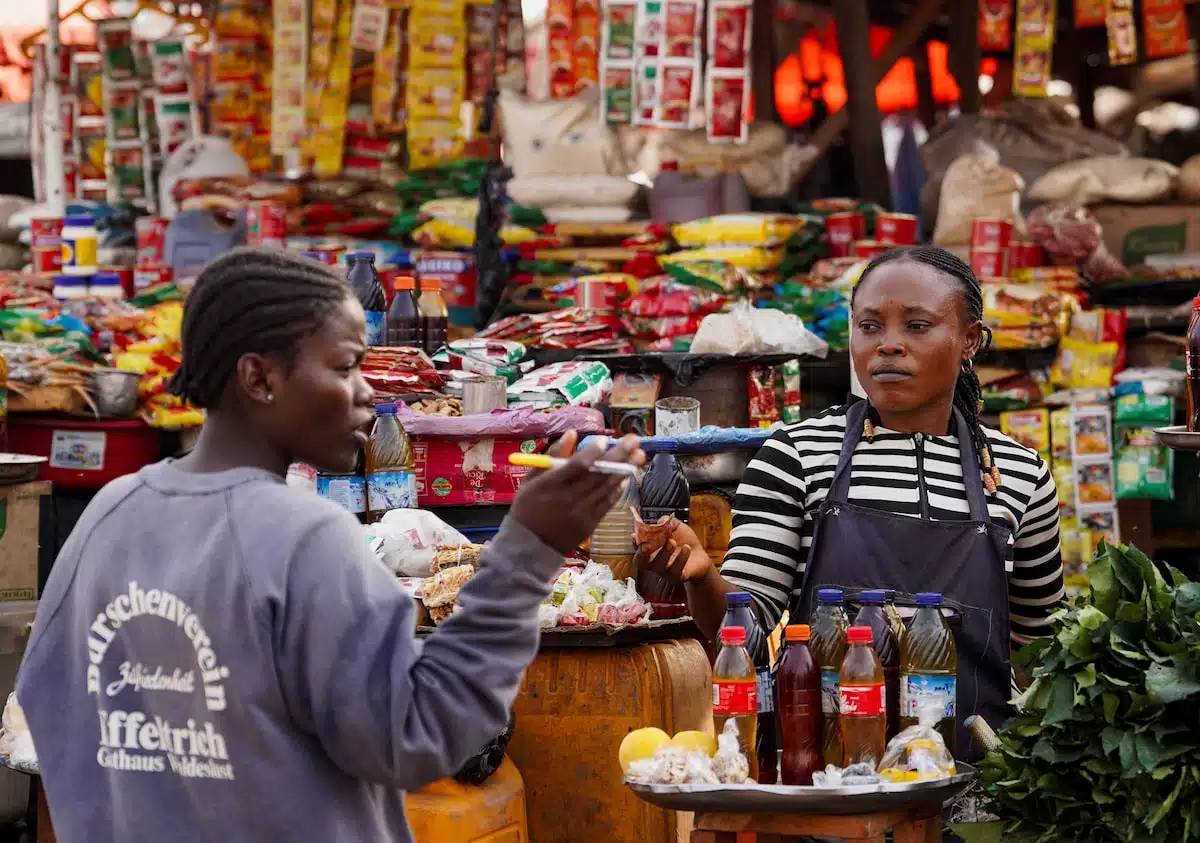
In a bid to support its populace amidst economic challenges, the budget allocates about $14.5 billion for subsidies, grants, and social benefits, marking a 15.2% increase.
Specifically, allocations for commodity and bread subsidies have risen by 20% to $3.1 billion.
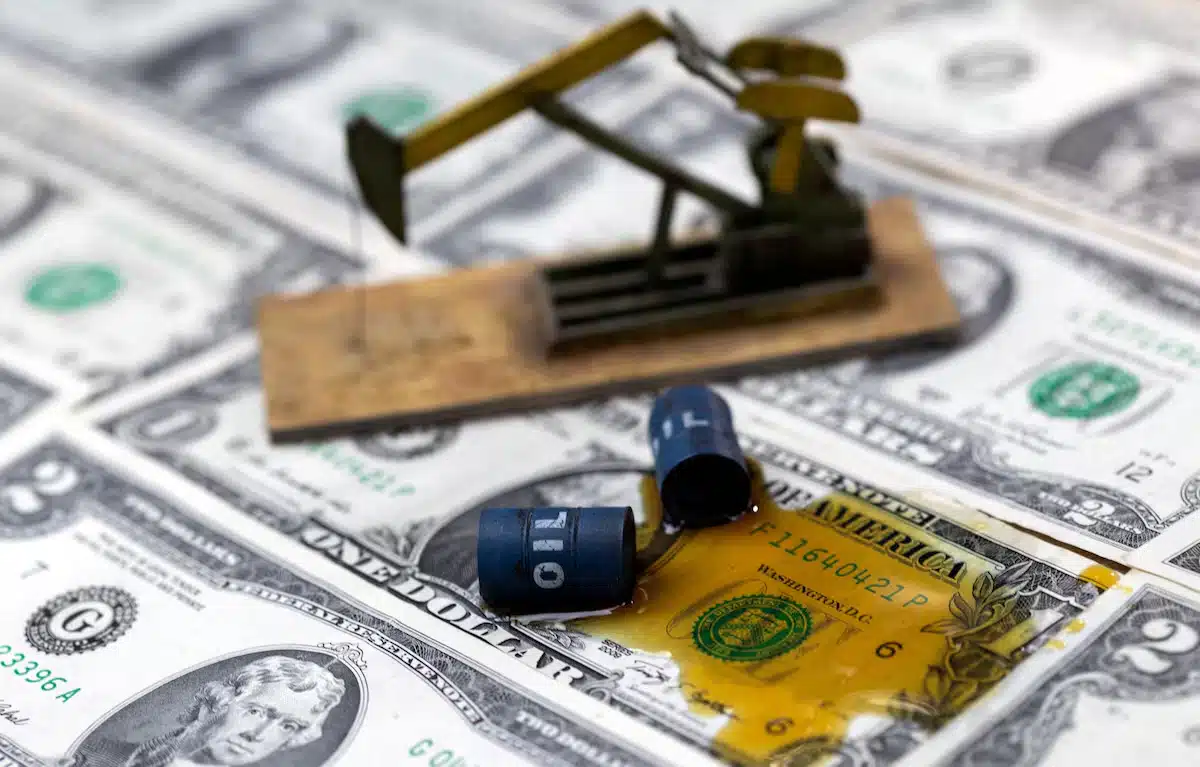
Additionally, the government plans to spend $1.5 billion each on petroleum product and electricity subsidies and $69.2 million to subsidise natural gas deliveries to households.
Economic outlook improves, but challenges remain
The IMF’s endorsement of Egypt’s financial reforms has bolstered economic confidence, with projections indicating a 4% growth in the fiscal year ending June 2025.
This positive trajectory has been linked to the implementation of IMF-backed reforms and substantial investments, including a $24 billion infusion from the United Arab Emirates for real estate development.
However, challenges persist.
The Egyptian pound has weakened, and the country faces foreign currency shortages and reduced Suez Canal revenues due to regional tensions.
Despite these hurdles, the government’s commitment to fiscal discipline and structural reforms reflects a strategic approach to achieving economic stability and growth.