


Ethiopia has moved to strengthen domestic disaster financing with the introduction of a series of levies on telcos, banks and other key sectors of the economy, according to local media reports.
A document obtained by Birrmetrics dated January 16 2025 confirms a 5% levy on all airtime and data purchases effective February 8 2026, with proceeds channelled into the state’s national disaster response fund.
The measure affects the country’s two telecom operators, Ethio Telecom and Safaricom, and comes amid growing uncertainty in international aid flows.
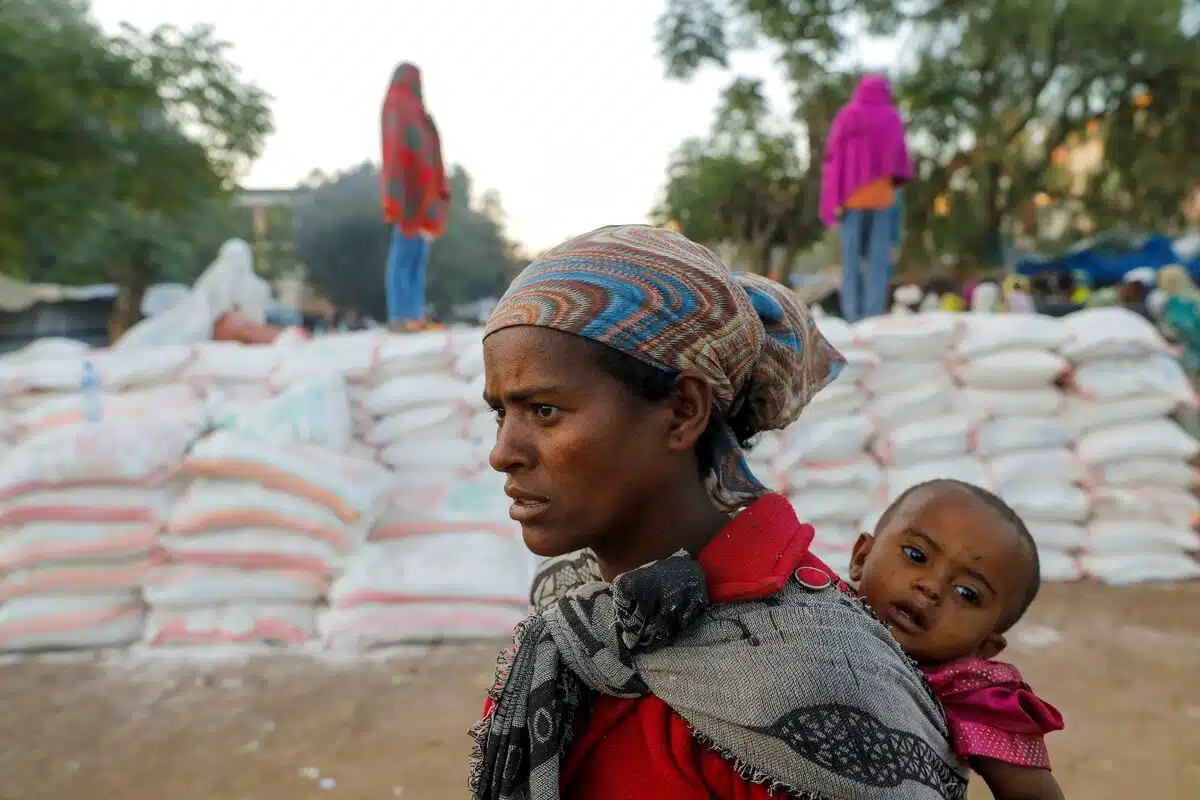
Following the global suspension of United States Agency for International Development (USAID) disbursements in January 2025, funding for health services, refugee support, and other humanitarian programmes faced significant strain, prompting authorities to seek more predictable domestic revenue sources.
The new telecom tax doubles charges on voice and internet services as it adds to a 5% excise tax introduced in 2023 — the first-ever telecom levy after Ethiopia opened the market to foreign competition.
Authorities say the new charge is part of a “home-grown resilience strategy,” aiming to place local institutions at the centre of financing the country’s emergency preparedness.
Levies extend across multiple sectors
The telecom surcharge is part of a wider levy system covering several sectors as Ethiopia moves to enforce mandatory contributions for disaster management.
Under the new framework, bank and microfinance institutions will contribute 1% of the value of loans disbursed, while insurance companies will remit 1% of premiums collected. Corporate shareholders are expected to pay 1% of annual dividends, and digital banking services will carry a 5% service fee surcharge.
Transportation and logistics providers ,fuel sales, transport, chemicals, tobacco, alcohol, and gaming are also included in the proposed scheme, according to local media reports.
While the effective dates and precise modalities for these additional levies remain unclear, the framework signals a move to embed disaster funding directly into routine economic activity.
Analysts say the levies mark a significant step toward reducing Ethiopia’s outsized dependence on foreign aid while broadening the country’s tax base , which is currently one of the lowest in Africa.
“This measure will make the flow of emergency funds steady and predictable,” said Mikiyas Mulugeta (PhD), an independent consultant. .
Households and businesses to bear cost
Experts note that the increased charges, particularly on telecoms and digital banking services, are likely to be passed on to consumers and businesses.
The financial burden could increase routine costs for households and commercial operators, raising concerns over affordability.
At the same time, integrating disaster funding into multiple sectors could reduce reliance on volatile foreign aid and improve the East African nation’s fiscal self-sufficiency.
How effectively the government balances these trade-offs will to a large extent determine the success of its “home-grown” financing strategy in the coming years.