


Ghana’s consumer inflation eased to 3.2 per cent year-on-year in March 2026, down from 3.3 per cent in February, according to the latest data from the Ghana Statistical Service. The reading marks the 15th consecutive monthly decline and the lowest inflation rate recorded since the rebasing of the Consumer Price Index in 2021.
This sustained disinflationary trend represents one of the most remarkable turnarounds in recent emerging-market history. From a crisis peak of 54.1 per cent in December 2022, headline inflation has collapsed by more than 50 percentage points. Over the past 13 months alone, the rate has dropped sharply from 23.1 per cent in February 2025 to the current sub-4 per cent level. On a month-on-month basis, price pressures remain minimal, with the CPI showing only modest increases that signal anchored expectations.
Key drivers behind the cooling prices
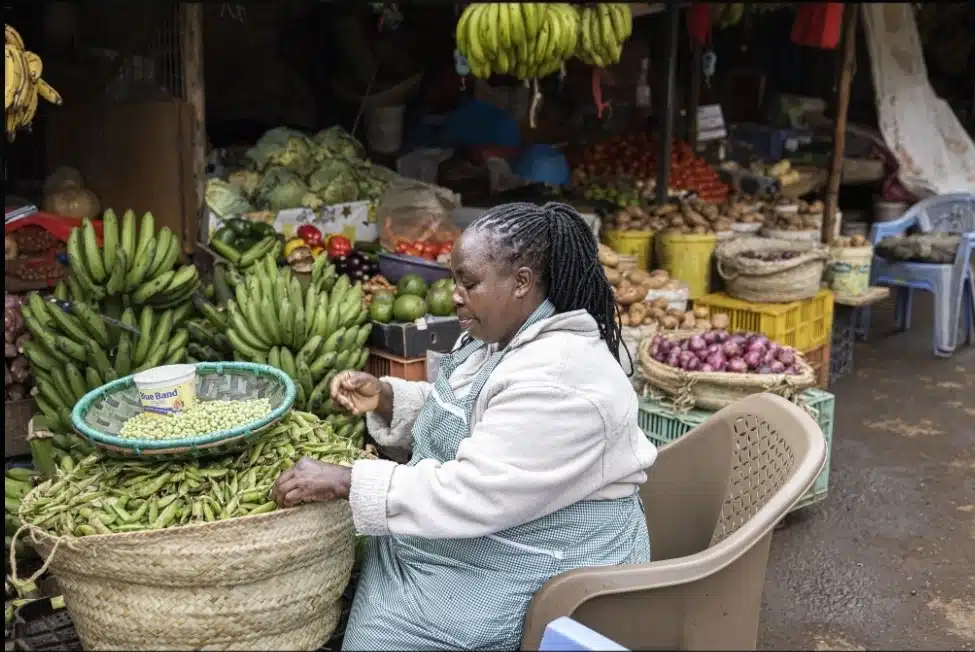
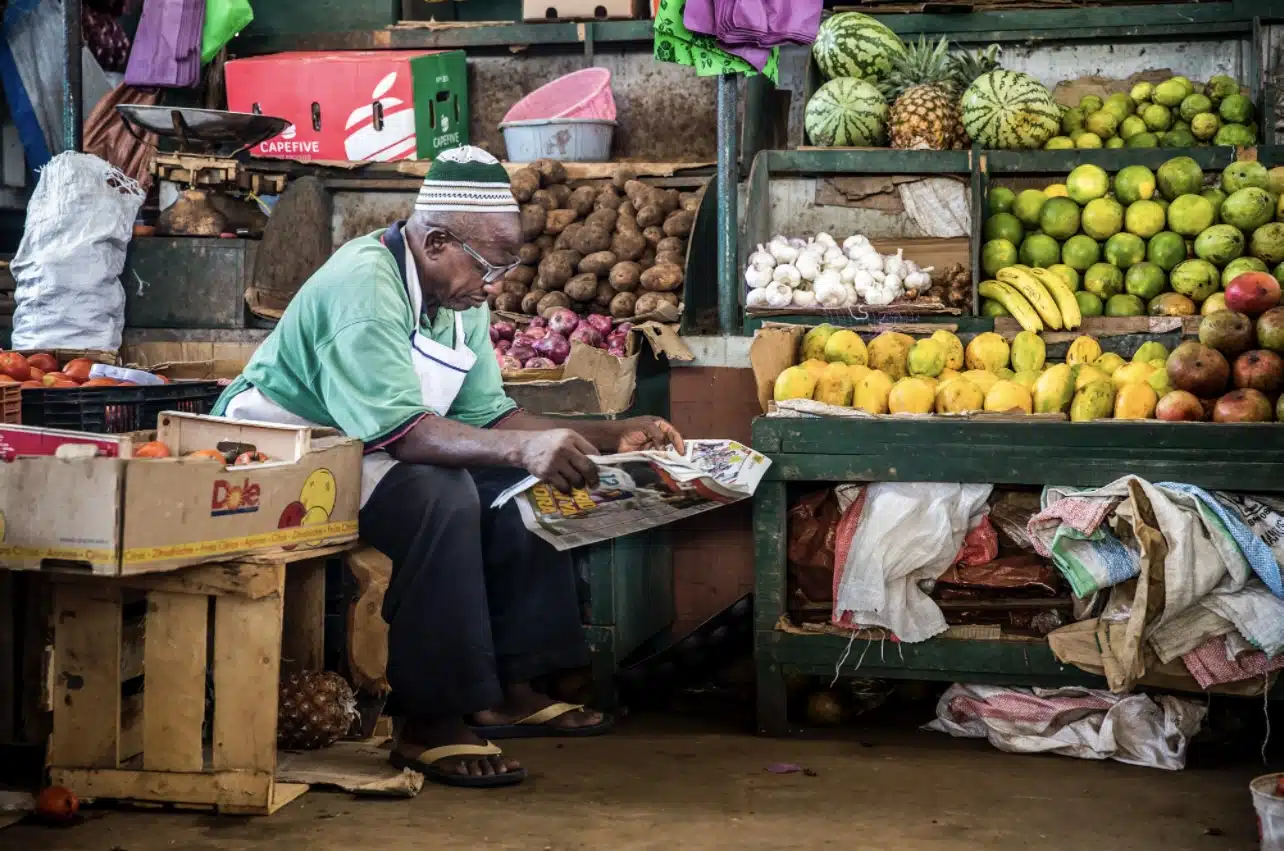
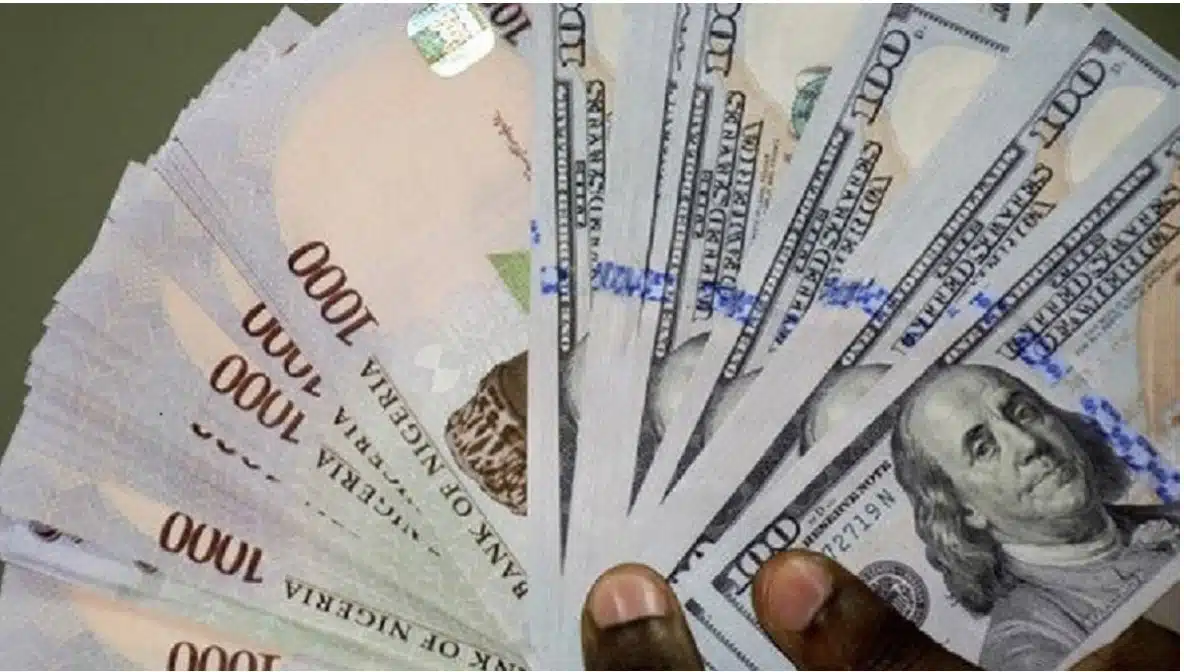
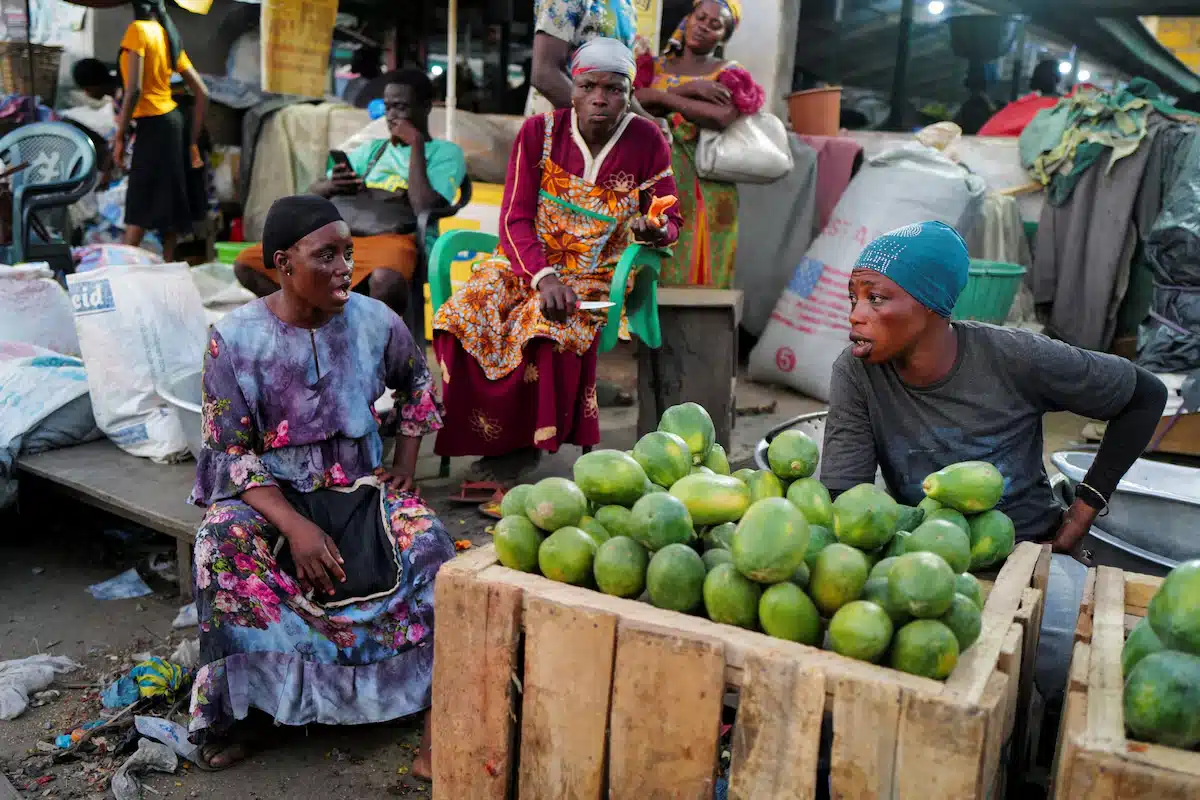
The sharp decline has been underpinned by a combination of domestic and external factors. A stronger Ghanaian cedi has helped contain imported inflation, while food prices, a major component of the basket, have eased significantly due to improved agricultural supply and favourable weather conditions.
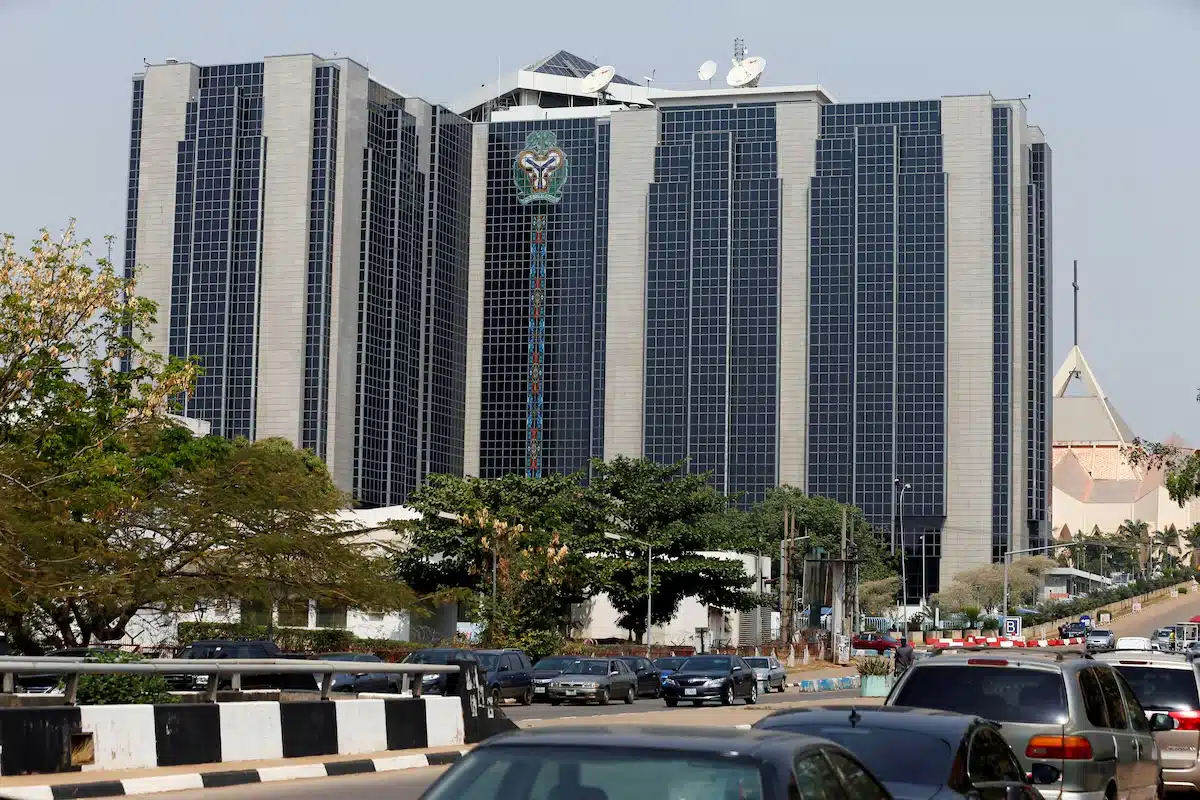
The Bank of Ghana’s tight monetary policy, including successive cuts to the policy rate, has played a central role. In March 2026, the central bank reduced its key rate by 150 basis points to 14 per cent, bringing borrowing costs down from peaks above 30 per cent in 2023 and supporting lower lending rates that now average around 19.2 per cent.
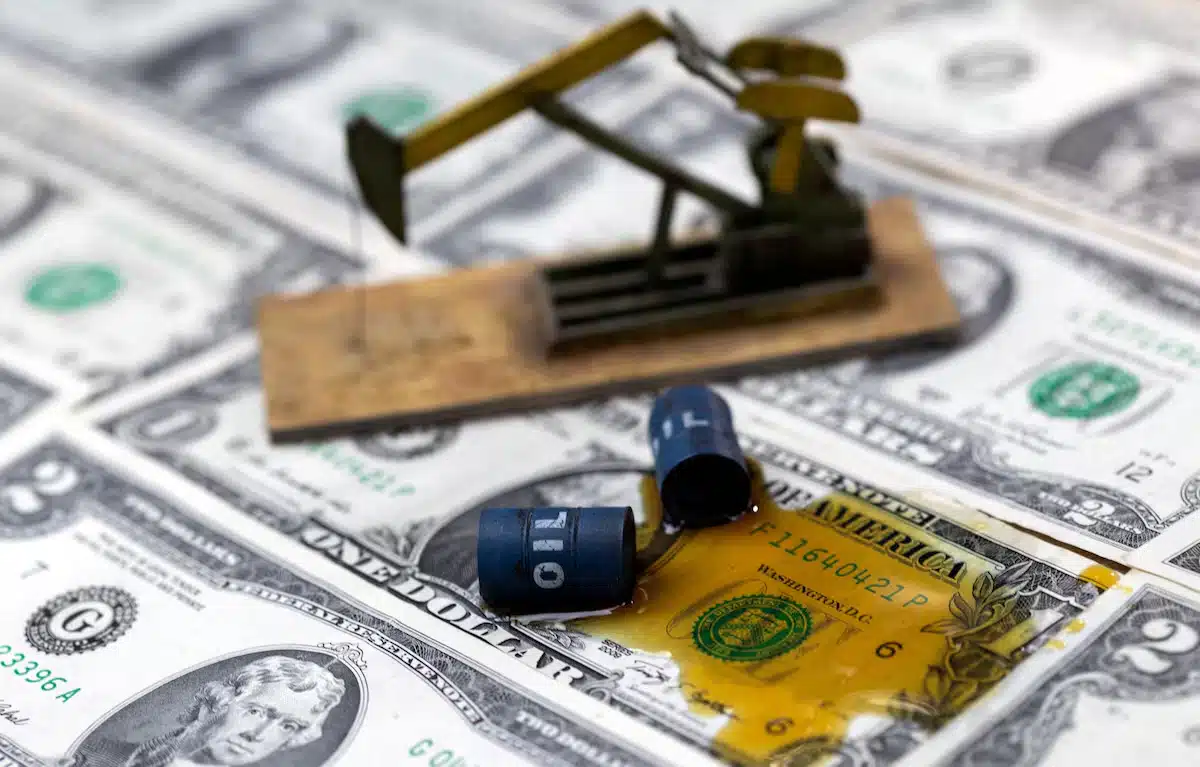
Fiscal consolidation efforts, backed by the International Monetary Fund’s extended credit facility, have restored credibility to public finances following Ghana’s 2022-2023 debt crisis and sovereign default. Gross international reserves have strengthened to approximately 5.8 months of import cover, providing a buffer against external shocks. Non-food inflation has remained contained despite occasional global oil price volatility linked to geopolitical tensions in the Middle East.
Stronger growth and policy flexibility ahead
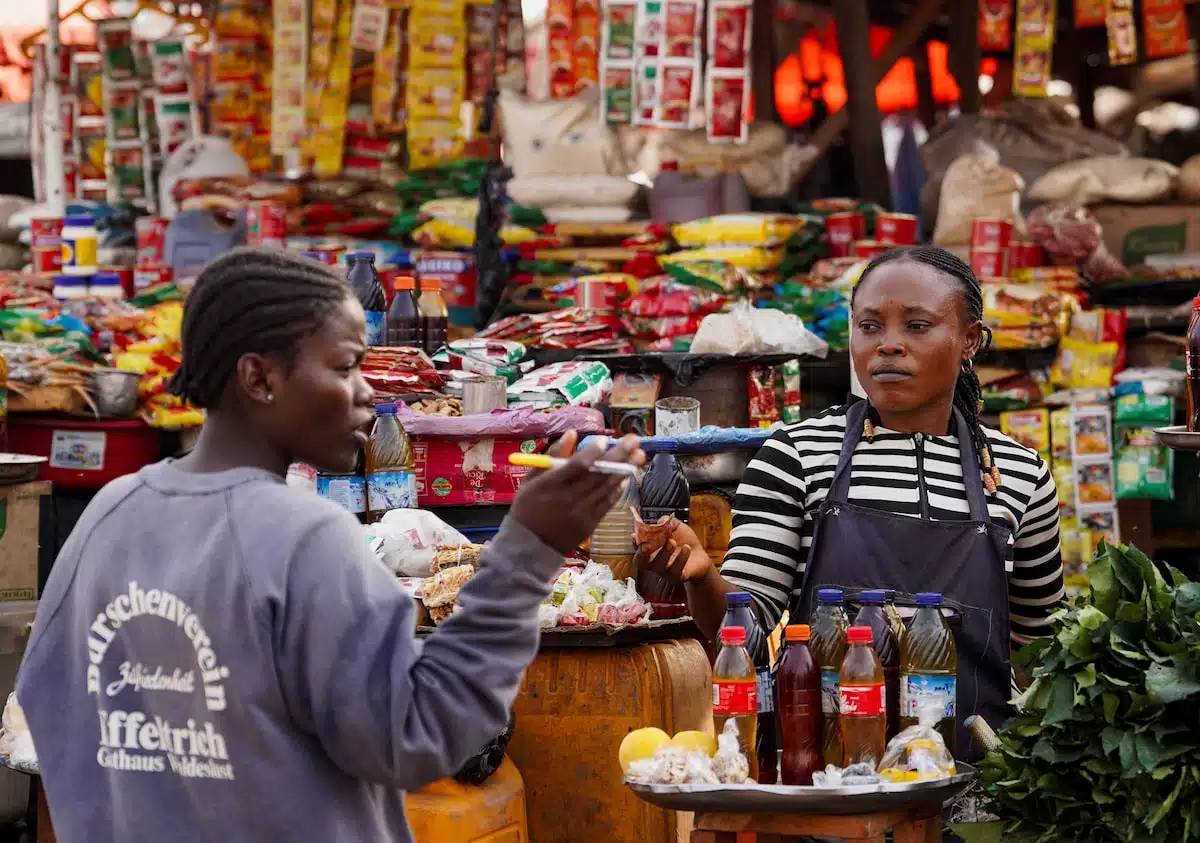
For an economy still healing from the severe 2022-2023 crisis, the sub-4 per cent inflation print carries profound implications. Lower price pressures are boosting real household incomes, reviving private consumption, and creating space for increased investment. With inflation expectations now firmly anchored near the central bank’s medium-term target, analysts expect further monetary easing in the coming quarters, which could further reduce borrowing costs and stimulate credit growth to the private sector.
Provisional GDP data for 2025 already indicate robust expansion of around 6 per cent in some quarters, outpacing initial estimates. The IMF projects real GDP growth of 4.8 per cent for 2026, supported by recovering mining, services, and agriculture sectors. This growth outlook, combined with single-digit inflation, positions Ghana as one of sub-Saharan Africa’s standout recovery stories among frontier markets.
The latest numbers also enhance Ghana’s appeal to foreign investors. Stable prices and improving debt sustainability metrics could facilitate renewed access to international capital markets on more favourable terms. However, risks remain, including potential spillovers from global commodity price swings or delays in fiscal reforms.
Overall, Ghana’s disinflation success offers valuable lessons for other high-debt economies in Africa and beyond on the effectiveness of coordinated monetary-fiscal-IMF strategies.
Policymakers now enjoy greater flexibility to prioritise inclusive growth while safeguarding hard-won stability. As the country enters the second quarter of 2026, sustained low inflation could mark the beginning of a more predictable and investor-friendly economic cycle.