
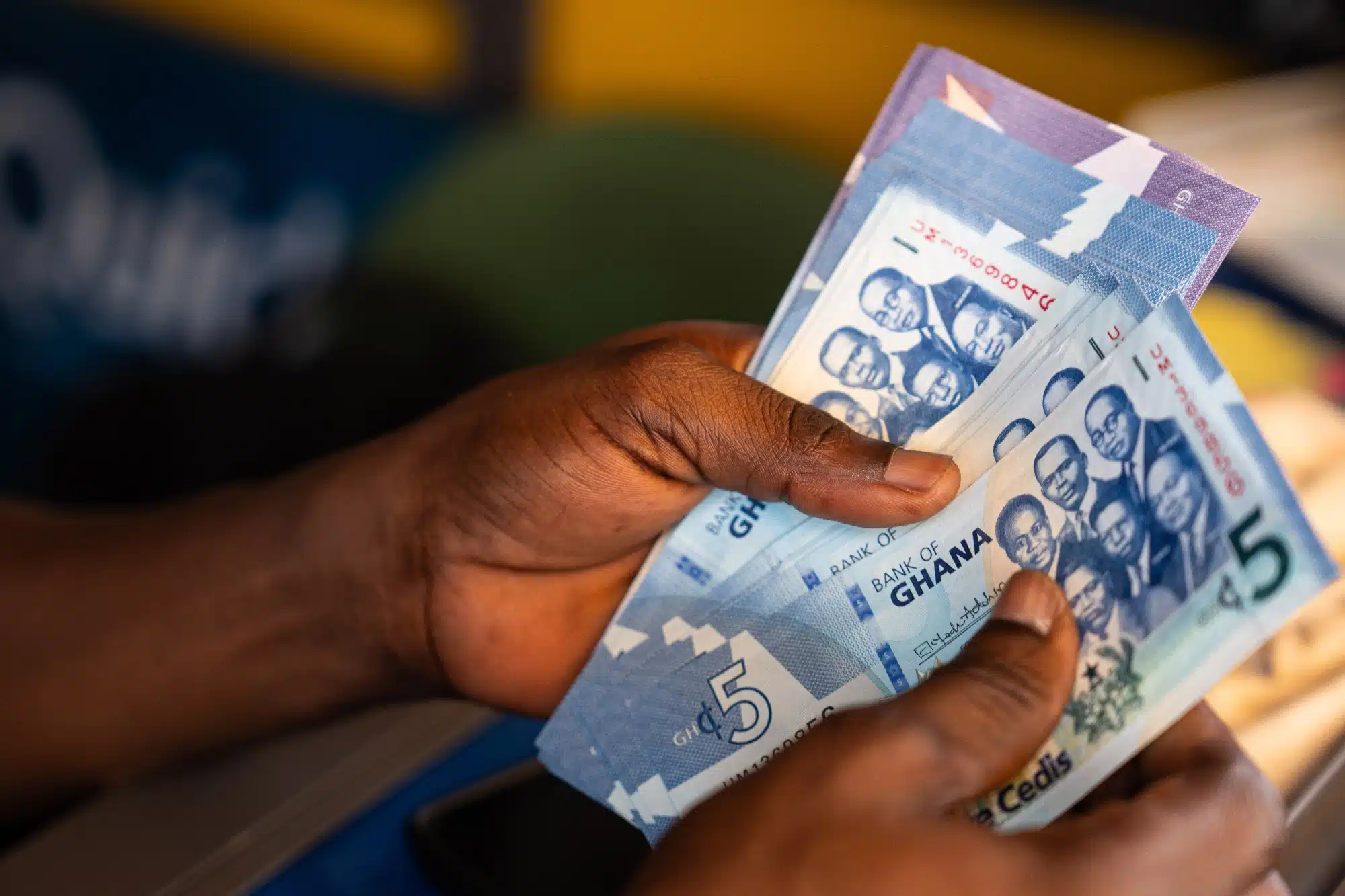


A notice from Ghana’s Ministry of Finance confirms a total interest payment of GH¢10 billion, about $910 million, under the Domestic Debt Exchange Programme, DDEP. The payment represents the sixth coupon and the second to be made fully in cash, with no Payment in Kind component. It is being positioned as a strategic signal of Ghana’s improving fiscal capacity and strengthening solvency.
The settlement covers cedi-denominated coupon obligations on instruments exchanged under the DDEP, in line with the programme’s restructuring memorandum and the government’s broader debt management and fiscal consolidation agenda.
Launched on 5 December 2022, the DDEP was designed to support the government’s fiscal programme and restore debt sustainability after nearly a decade of mounting fiscal pressures that pushed the economy into crisis and necessitated the restructuring of public liabilities.
The exchange resulted in the issuance of 12 new domestic bonds with staggered maturities from 2027 to 2038, restructuring a substantial portion of the domestic debt stock. The programme affected a wide range of local investors, including commercial banks, pension funds, insurance firms and asset managers, many of which had significant exposure to government securities. The first coupon payment under the programme, amounting to roughly GH¢2.4 billion, was made in August 2023.
In a press release dated 18 February 2026, the Ministry of Finance reiterated Ghana’s commitment to meeting future DDEP obligations, rebuilding liquidity buffers and improving macroeconomic stability as part of efforts to ease inflation and bring down interest rates.
At the height of its economic crisis in 2023, Ghana defaulted on both domestic and external debt obligations, triggering a $3 billion intervention by the International Monetary Fund and a comprehensive debt restructuring process.
The latest interest payment is likely to send a positive signal to both domestic and international investors, bolster confidence in the bond market and support an improved credit outlook. That will be particularly important as Ghana prepares to return to the domestic debt market this year, having already appointed bond market specialists to lead the issuance process.