


Ghana’s annual inflation slowed to 5.4% in December 6.3% in November, marking a full year of deceleration as food prices cooled, official data showed on Wednesday.
The sustained slowdown marks a sharp turnaround for the West African nation, which was grappling with inflation of 23.8% as recently as December 2024, following currency pressures, supply disruptions and fiscal stress during its worst economic crisis in decades.
Data released by the Ghana Statistical Service (GSS) showed that month-on-month inflation stood at 0.9% in December, pointing to relatively subdued price increases toward the end of the year.
“This steady decline signals a sustained shift toward price stability and improving macroeconomic conditions,” Government Statistician Alhassan Iddrisu said at a press briefing in Accra, noting that December’s reading was the lowest since a consumer price rebasing exercise in 2021.
Food prices drive disinflation
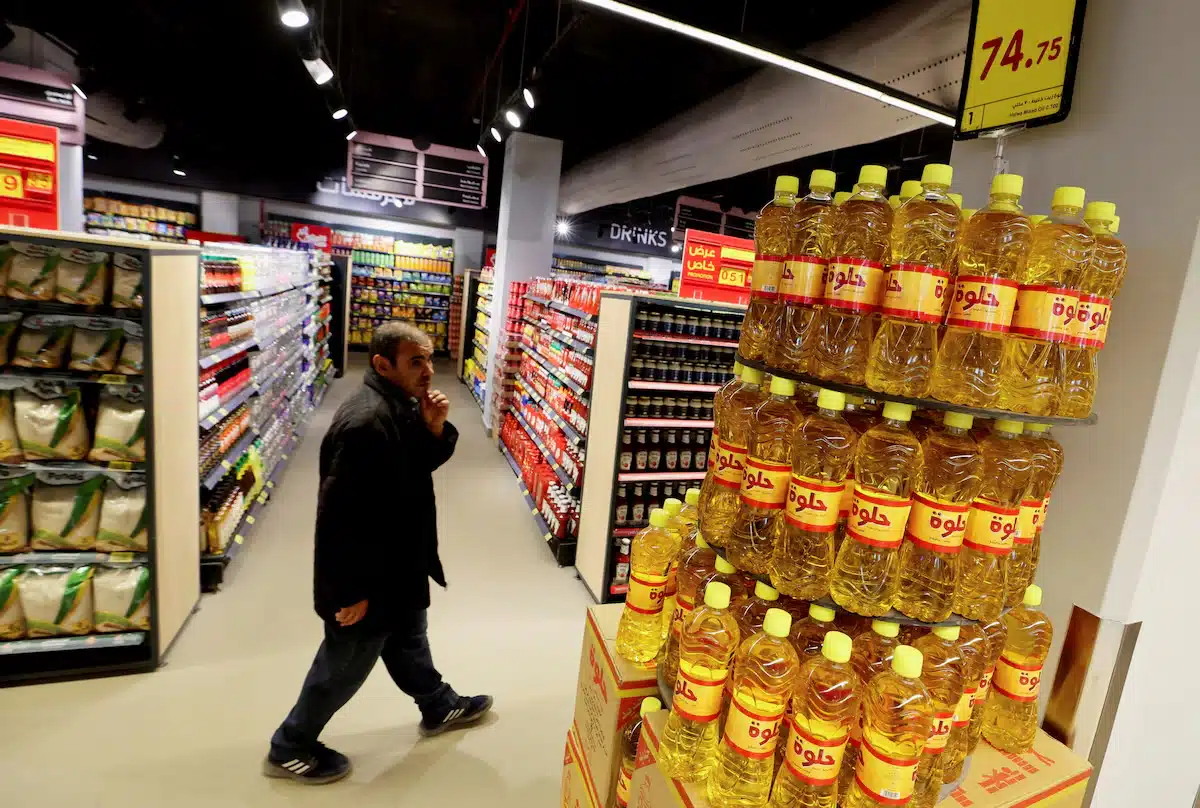
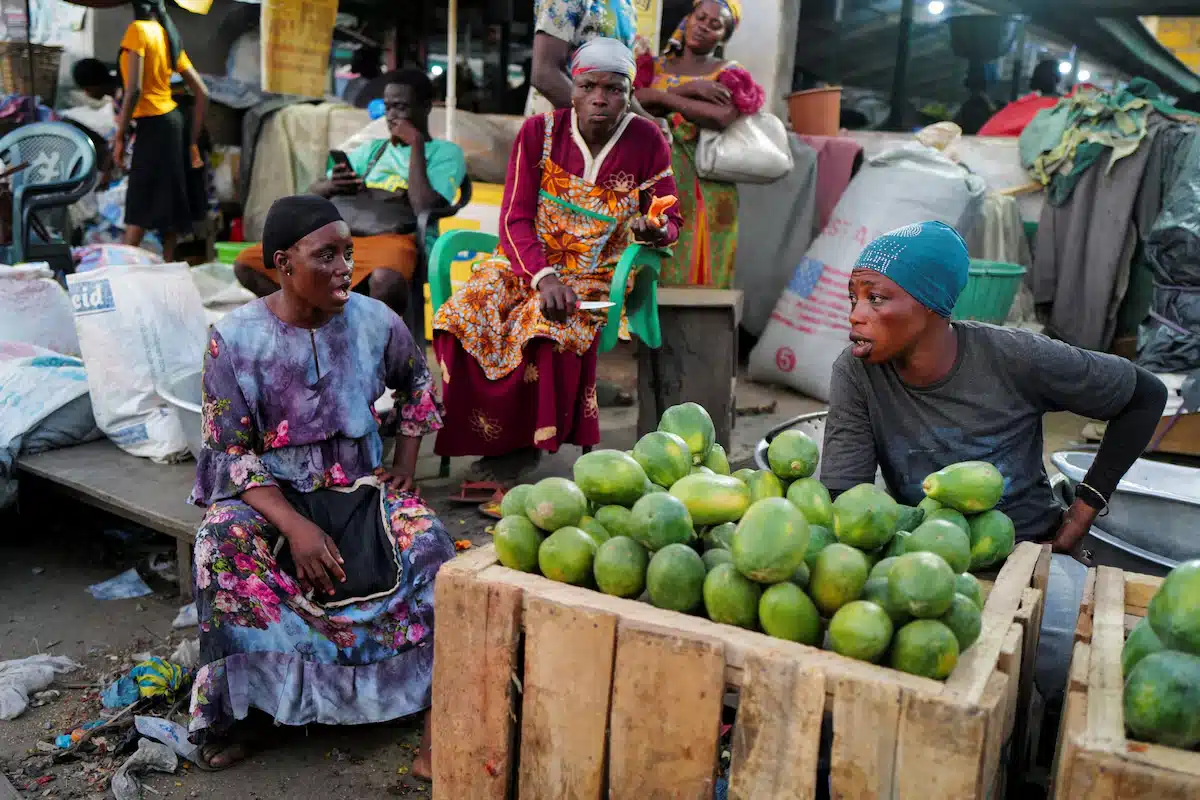
The moderation in headline inflation was largely driven by food and non-alcoholic beverages, which account for about 43% of household spending in Ghana. Food inflation eased to 4.9% in December from 6.6% in November, reflecting slower price increases across key staples.
“Lower food inflation directly eases pressure on household budgets,” Iddrisu said, adding that price growth slowed across major food sub-categories including cereals, vegetables, fish and meat products.
Despite the annual decline, food prices rose by 1.1% on a month-on-month basis, which the statistician attributed mainly to seasonal factors. He cautioned that short-term fluctuations could still occur even as broader inflationary pressures continue to ease.
Broad-based moderation
Non-food inflation also moderated sharply, easing to 5.8% in December from 6.1% in November and 20.3% a year earlier. On a monthly basis, non-food inflation stood at 0.6%.
“These trends show broad-based disinflation across both food and non-food categories, rather than improvements driven by a single component,” Iddrisu said, suggesting that price pressures are easing more sustainably across the economy.
Price stability takes hold, improving economic prospects
Ghana’s inflation fell back within the Bank of Ghana’s target band of 6-8% in September 2025, when inflation dropped to 6.4%. The latest reading reinforces expectations that price stability is taking hold as fiscal and monetary conditions stabilise.
The disinflation trend comes alongside improving growth dynamics. Ghana’s economy expanded by 5.5% year on year in the third quarter of 2025, supported by a recovery in agriculture and services, the statistics agency said in December.
External support has also strengthened. The International Monetary Fund last month completed the fifth review of Ghana’s loan programme, unlocking an immediate disbursement of about $385 million and reinforcing confidence in the country’s reform trajectory.
While authorities have warned that risks remain — including exposure to global commodity price swings — economists say the sharp fall in inflation provides room for a more supportive policy environment as Ghana continues its economic recovery.