


The International Monetary Fund has released approximately $2.3 billion to Egypt after completing combined reviews of the country’s flagship economic support programme, providing fresh liquidity to one of Africa’s largest and most strategically vital economies as it emerges from years of currency turmoil and inflation spikes.
The IMF Executive Board on Wednesday approved the fifth and sixth reviews under the $8 billion Extended Fund Facility (EFF), originally launched at $3 billion in December 2022 and expanded in March 2024, alongside the first review under the Resilience and Sustainability Facility (RSF). This unlocks an immediate $2 billion disbursement from the EFF and $273 million from the RSF, bringing total drawings under both facilities to roughly $5.2 billion.
“Egypt’s macroeconomic situation has improved amid sustained stabilization efforts,” the IMF said in its statement. “Tight monetary and fiscal policies, together with exchange rate flexibility, have helped restore macroeconomic stability, reduce inflation, and strengthen the external position.”
Real GDP growth accelerated to 4.4% in fiscal year 2024/25 on the back of a broad-based recovery. Urban consumer inflation has plummeted from a peak of 38% in September 2023 to 11.9% in January 2026. The current account deficit narrowed to 4.2% of GDP, caused by resilient remittances, record tourism receipts, and major Gulf investment inflows, most notably the landmark Ras El-Hekma deal signed in February ,2024 with the UAE. Gross international reserves rose to about $59.2 billion by end-December 2025, up from $54.9 billion a year earlier.
For global investors, the disbursement is a clear vote of confidence. It signals that Egypt has met key performance criteria on monetary tightening, fiscal consolidation, and exchange-rate flexibility, the very pillars that ended the chronic dollar shortages and parallel-market distortions that plagued the economy in 2022-2023.
The Egyptian pound, which has traded in a more market-determined range since the March 2024 devaluation, should see reduced volatility in the near term, while the successful recent issuance of external bonds and strong non-resident inflows into local debt markets underscore returning market access.
Yet the IMF’s accompanying analysis is far from unqualified praise. Progress on deeper structural reforms has been “uneven,” with the divestment of state-owned assets, a cornerstone of the programme aimed at shrinking the state’s economic footprint and crowding in private investment, which is advancing more slowly than envisaged. Public debt remains elevated, gross financing needs are high, and fiscal space is constrained, all of which continue to weigh on medium-term growth prospects.
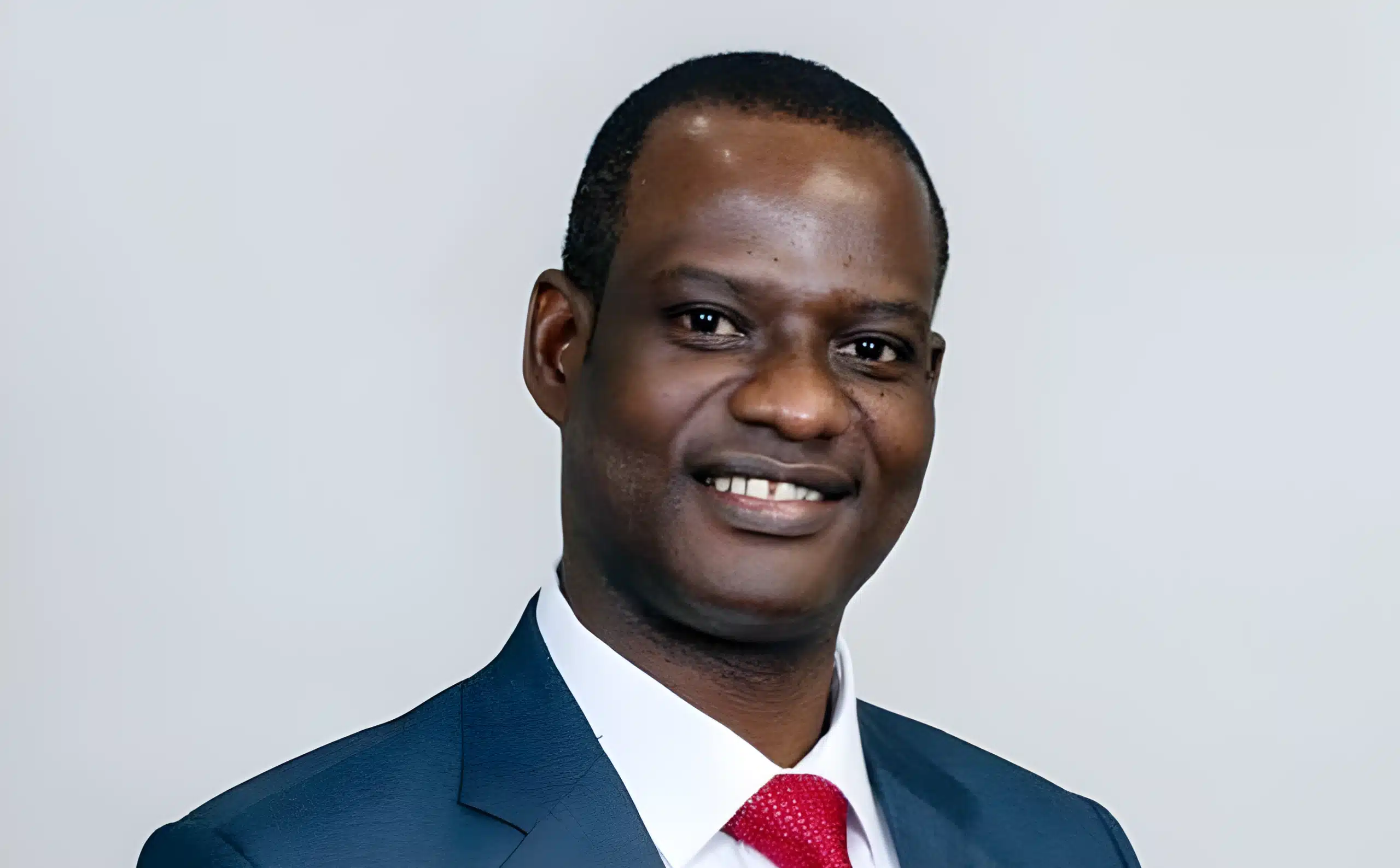
IMF Deputy Managing Director Nigel Clarke, who chaired the board discussion, struck a balanced but firm tone: “Further progress on deeper reforms, particularly in divestment in non-strategic sectors and debt management, is needed to reduce risks to attaining key programme objectives. Decisive efforts to reduce the state’s footprint in the economy will be essential.”
On the climate front, the parallel RSF review showed stronger performance. Egypt has published an implementation schedule for renewable energy targets and issued directives for banks to monitor climate transition risks – steps that could help the country tap growing pools of green capital.
Looking ahead
With the EFF now extended through December 2026, Cairo must accelerate the shift toward a genuine private-sector-led model. The government’s “National Narrative for Economic Development” provides a framework, but execution on tax-base broadening, state-owned enterprise governance, banking-sector competition, and a comprehensive medium-term debt strategy will determine whether the current stabilisation translates into durable 5%+ growth.
Downside risks loom large
Renewed Red Sea disruptions to Suez Canal revenues, regional geopolitical tensions, and tighter global financial conditions could test reserves and the currency. Upside potential exists from faster hydrocarbon recovery, Gulf mega-projects, or a Suez rebound.
For international investors and creditors, today’s announcement is positive but not a green light for complacency. Egypt has bought itself breathing room and demonstrated policy credibility. The next test and the real payoff will be whether the authorities can now deliver the structural overhaul needed to make this recovery sustainable and inclusive.
This latest tranche keeps Egypt firmly in the IMF’s good books at a critical juncture for the wider Middle East and North Africa region. Markets will be watching closely for signs that the reform momentum is not just surviving, but accelerating.