


While global markets grapple with patchy recoveries and shifting investor sentiment, Kenya is quietly charting a path of quiet resilience. New data from the Stanbic Bank Kenya Purchasing Managers’ Index (PMI) reveals that the country’s private sector continued to expand in February albeit at a more measured clip underscoring the economy’s underlying strength and offering fresh encouragement to both domestic businesses and international investors eyeing East Africa’s most dynamic market.
The headline PMI eased to 50.4 in February from 51.9 in January, remaining comfortably above the 50-point threshold that separates growth from contraction. This marks the slowest pace of expansion since September 2025, yet the reading tells a story of persistence rather than peril.
As Stanbic Bank economist Christopher Legilisho noted, “While the outcome was still expansionary, some businesses were hampered by increased competition and a doubtful economy.” He added that although macroeconomic conditions have improved, “sections of the private sector are still feeling the strain” a candid assessment that nevertheless highlights the sector’s ability to push forward.
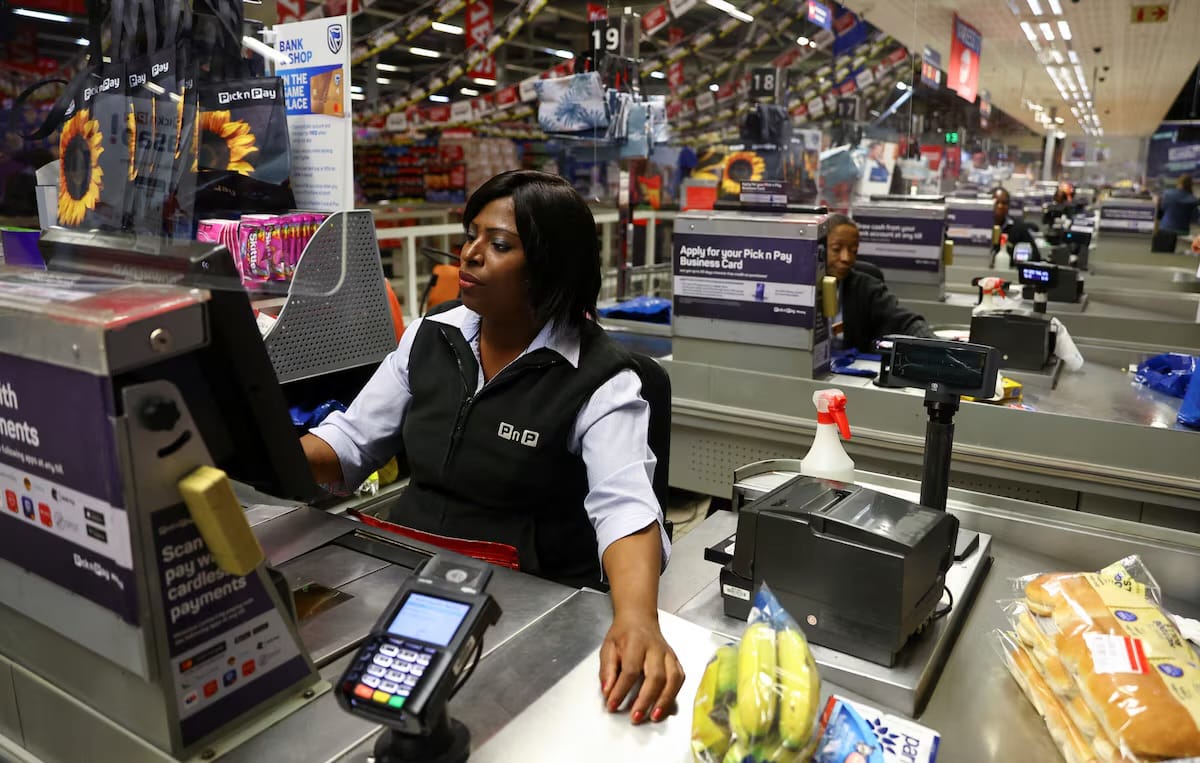
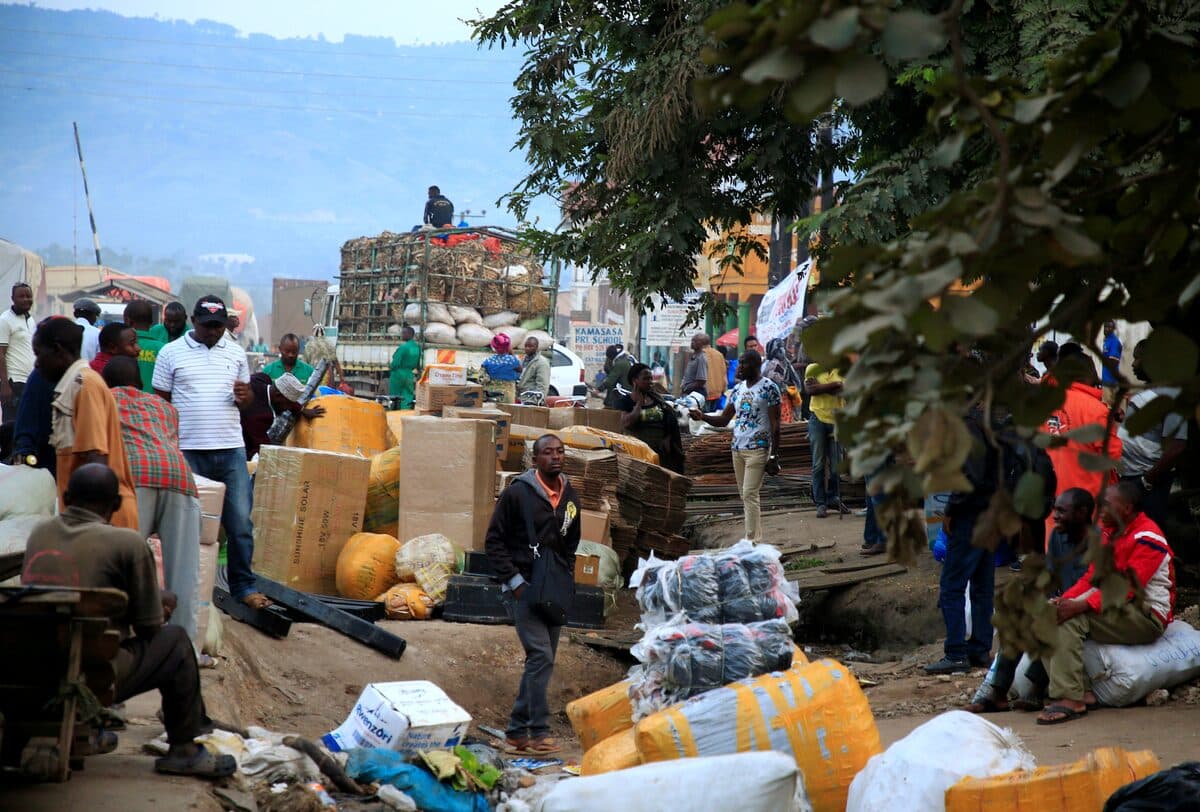
What makes the February figures particularly encouraging is the clear diversification of growth drivers. Construction, wholesale and retail trade, and services provided the main thrust, more than offsetting softness in agriculture and manufacturing.
This sectoral rebalancing is no accident, it reflects Kenya’s ongoing shift toward higher-value, urban-driven activities that are less exposed to weather volatility and commodity swings precisely the kind of structural evolution that appeals to foreign capital looking for stable, scalable opportunities across infrastructure, consumer markets, and digital services.
Compounding the positive momentum, Kenya’s headline inflation cooled further to 4.3% year-on-year in February, down from 4.4% the prior month and well inside the Central Bank of Kenya’s 2.5–7.5% target band. With price pressures easing and the private sector still growing, the data set the stage for potential monetary support later in the year a tailwind that could amplify investment and consumption.
Finance ministry officials will take particular heart from the PMI’s alignment with their own projections. The government is forecasting 5.3% GDP growth for 2026, an uptick from the estimated 5.0% expansion in 2025 and the 4.7% recorded in 2024.
In an environment where many emerging markets are revising forecasts downward, Kenya’s combination of sustained private-sector activity and disciplined inflation management positions the country as a standout performer on the continent.
For international investors and multilateral partners, the message is clear: Kenya’s economy is not merely weathering challenges it is adapting and advancing. With construction and services leading the charge and inflation trending in the right direction, the foundations are in place for accelerated recovery and attractive risk-adjusted returns.
As Legilisho’s survey reminds us, the broader economy has yet to fully reap the benefits of improved macro conditions, but the February PMI suggests those dividends are now within reach.