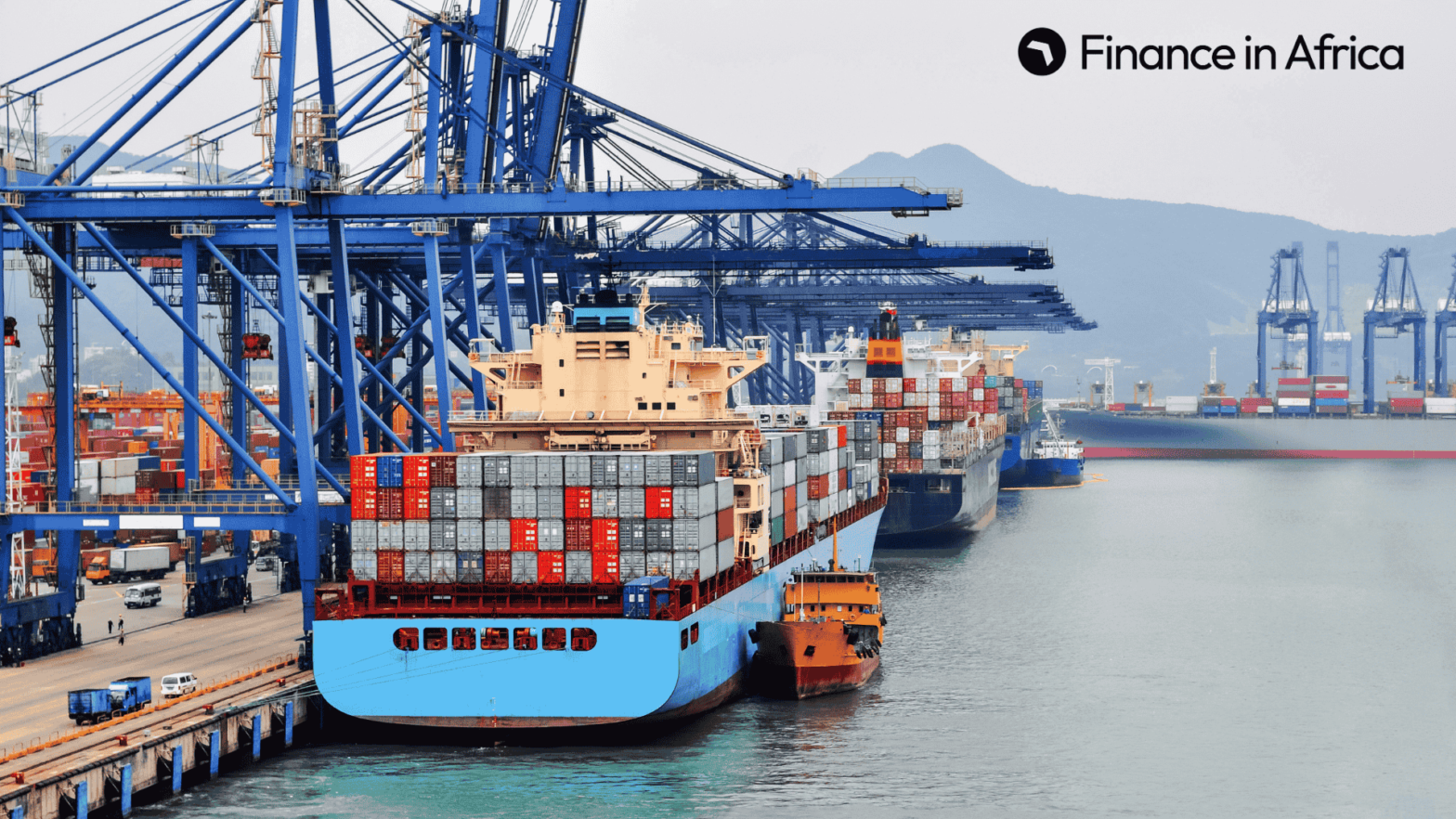

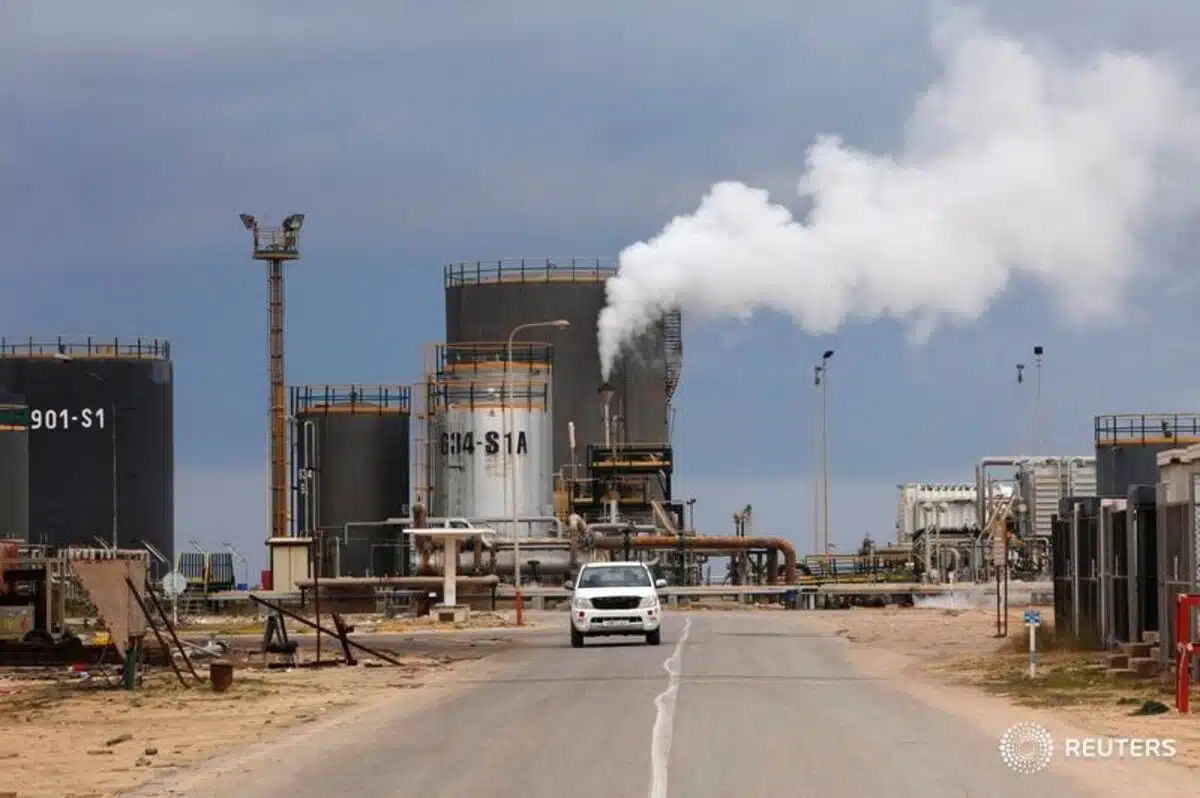


Libya has secured a $2.7 billion deal to expand the Misurata Free Zone and modernise one of its most strategic ports, as Tripoli looks to strengthen trade links with Europe and rebuild commercial ties across Africa.
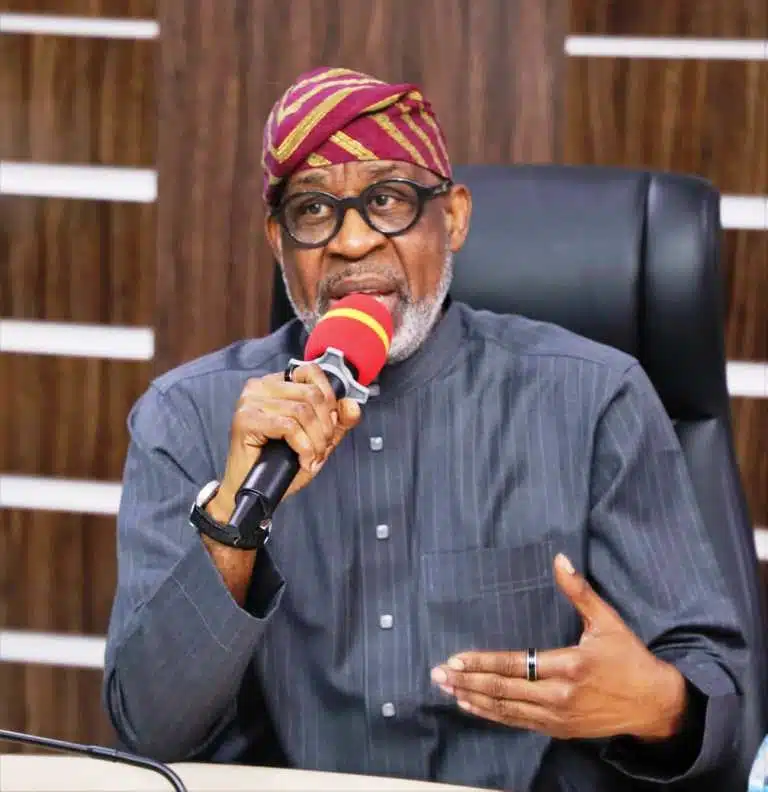
The agreement, announced on Sunday by Prime Minister Abdulhamid Dbeibah, is expected to generate operating revenues of around $500 million yearly and significantly lift the port’s capacity.
At the centre of the deal is a partnership between the Misurata Free Zone and Terminal Investment Limited, a global port operator, alongside Maha Capital Partners, a Doha-based infrastructure investor that will provide long-term capital and strategic oversight.
“This project not only enhances Libya’s position among the region’s largest ports in terms of size and capacity, but it also relies on direct foreign investment within a comprehensive international partnership,” Dbeibah said in a statement.
Trade diversification push
The port expansion comes as Libya seeks to rebalance its trade profile, which remains heavily skewed toward Europe and overwhelmingly dependent on oil exports.
According to central bank data, the European Union accounted for 68.3% of Libya’s exports in 2024, underscoring the country’s deep trade integration with the bloc. By contrast, trade with the rest of Africa has weakened in recent years, falling from $9.6 million in 2023 to $5.5 million in 2024, leaving the continent with just 1% of total export earnings.
The planned upgrade offers an opportunity to reverse that trend by lowering logistics costs, improving connectivity and attracting new non-oil trade flows across North and sub-Saharan Africa.
Authorities target new jobs, increased capacity
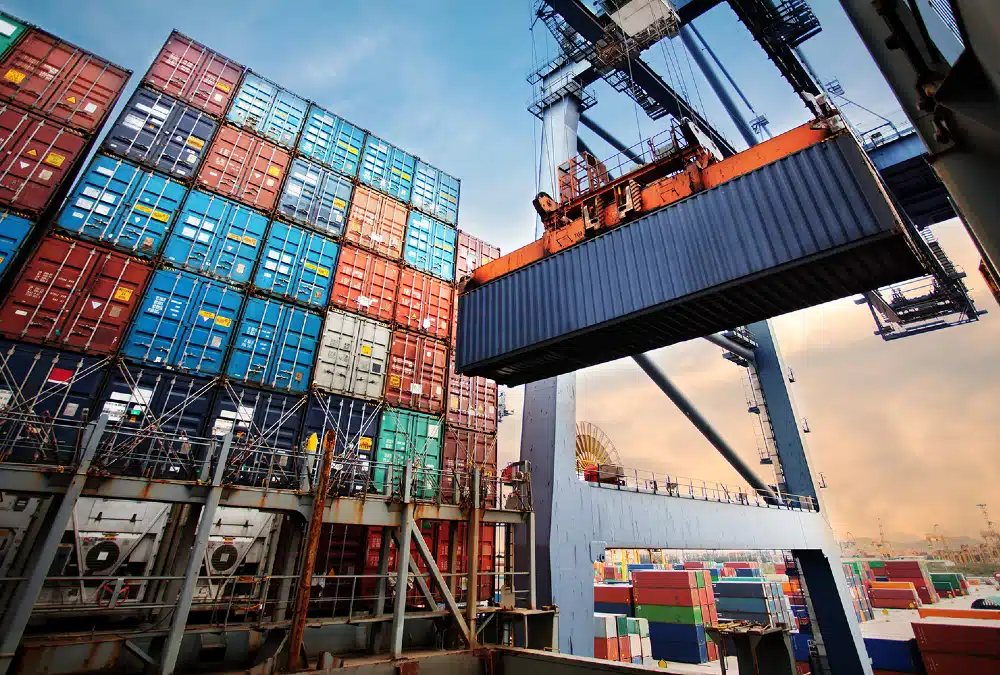
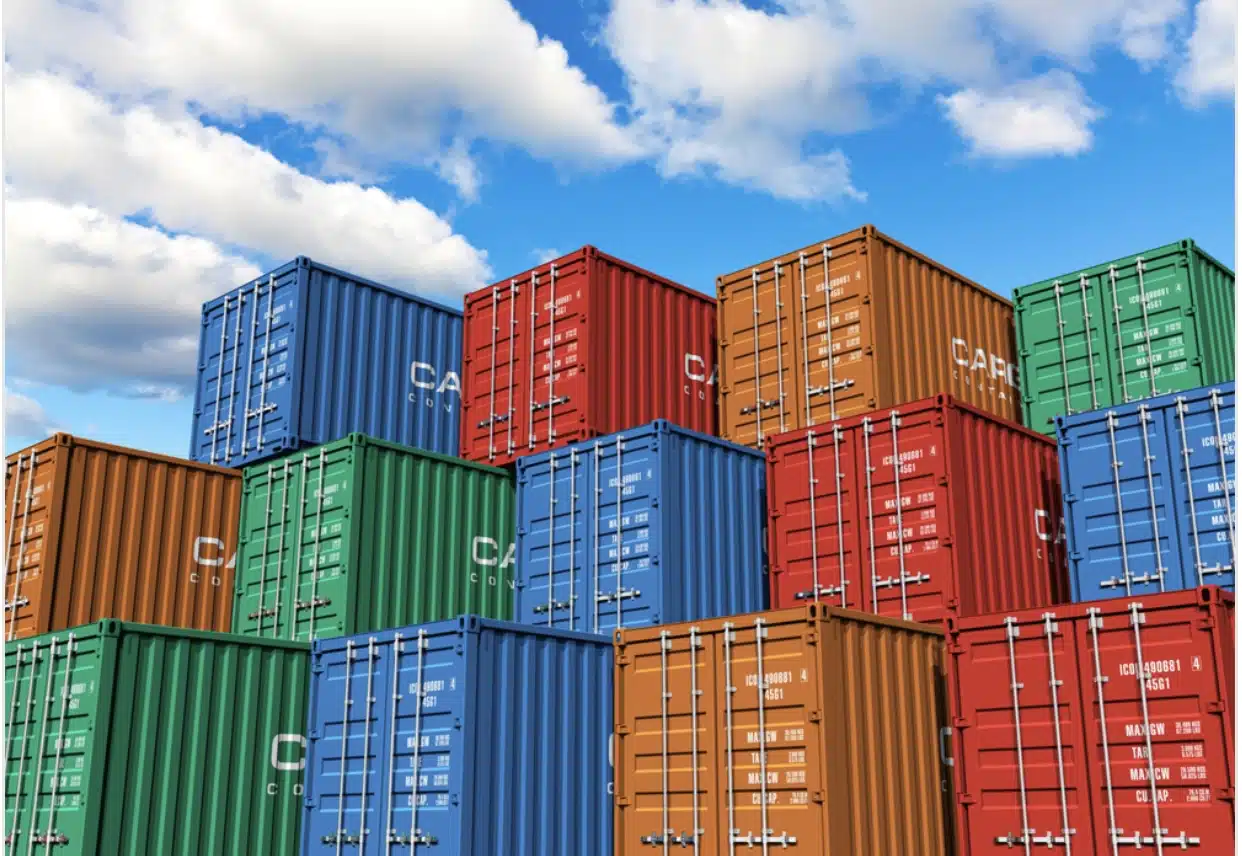
The project is expected to raise Misurata’s container-handling capacity to four million units per year, supported by infrastructure spanning 190 hectares, according to the free zone authority.
Beyond trade volumes, the government estimates the expansion will create 8,400 direct jobs and up to 60,000 indirect roles, providing a rare source of employment growth in an economy still struggling to translate oil wealth into broad-based development.
“This partnership reflects Misurata’s determination to build modern, internationally competitive infrastructure that can unlock new industries and strengthen Libya’s position within global supply chains,” said Muhsin Sigutri, chairman of the Misurata Free Zone.
Oil dependence and political risks
Libya’s economy remains overwhelmingly reliant on oil, which accounts for more than 95% of economic output.
Oil revenues reached $14.7 billion (93.3 billion dinars) in the first 11 months of last year, while tax receipts remained subdued at just $157 million (1 billion dinars), highlighting the state’s narrow fiscal base.
The investment also arrives against a fragile political backdrop. Libya has remained divided since the 2011 NATO-backed uprising and the subsequent 2014 split between rival eastern and western administrations, a fragmentation that has repeatedly delayed large-scale infrastructure projects.
For now, the Misurata port deal represents one of the clearest signals yet of efforts by the Northern African nation to channel foreign capital into productive assets and expand trade ties with regional counterparts.
NB: $1/6.37 dinars was the average exchange rate at the official window on January 19, 2026