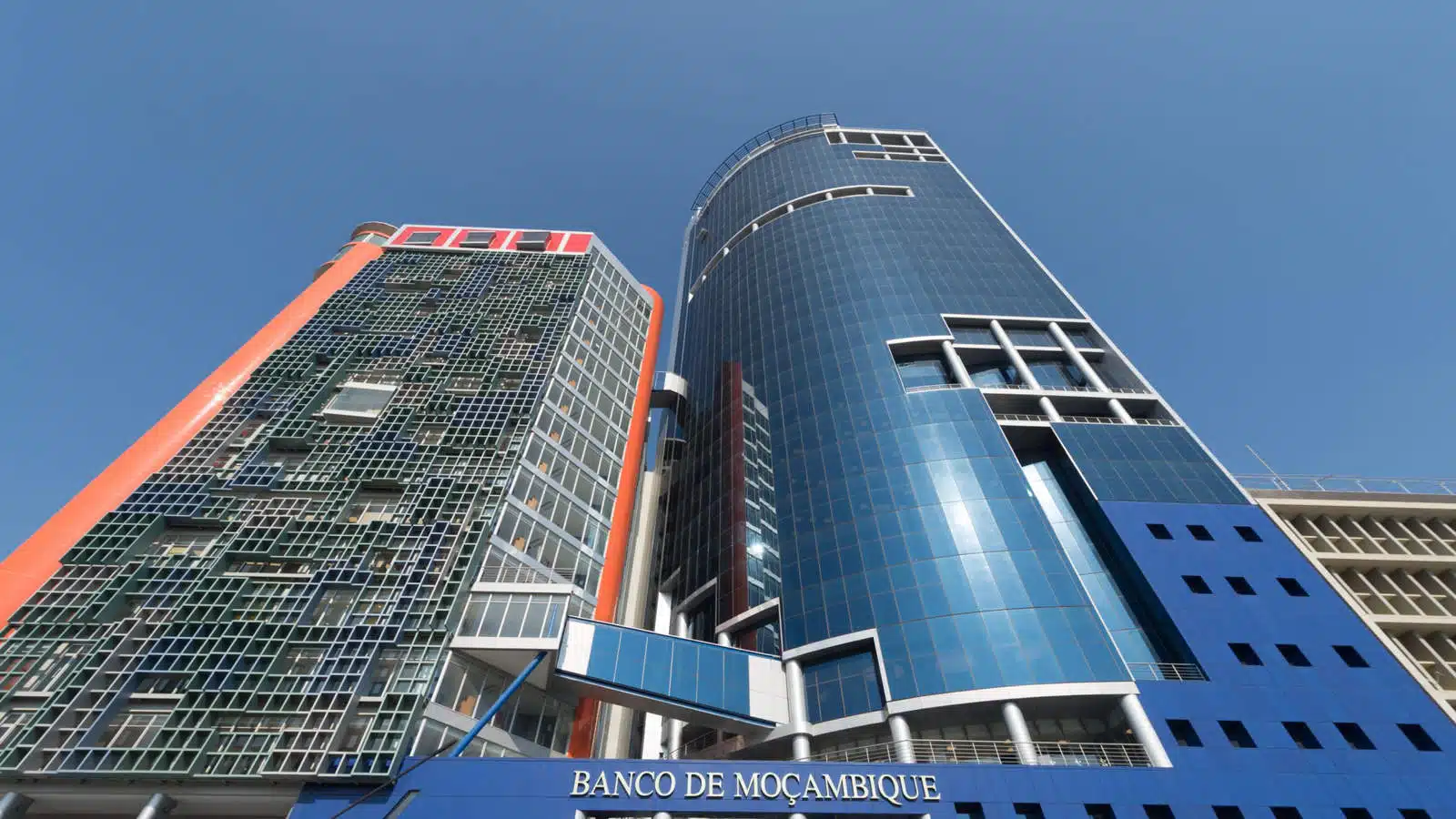




Mozambique has overtaken Senegal as Africa’s most stressed sovereign borrower, with its dollar bond spreads reaching 1,473 basis points on Friday, according to a JPMorgan Chase & Co index seen by Bloomberg.
Senegal’s spread fell to 1,423 points, leaving the Indian Oceanic nation ahead for the first time since November.
The deterioration comes amid a broader repricing of emerging market risk following the escalation of the Middle East crisis , which has pushed oil prices higher and tightened global financial conditions.
Across Africa, average dollar-bond spreads have risen to 387 basis points, a six-month high, widening by 37bps in March. Mozambique, however, has significantly underperformed its peers, with its spread widening by more than 400bps over the same period.
FX shortages emerge as key pressure point
Central to Mozambique’s current challenges is its external position.
As a net fuel importer, the country is highly exposed to rising oil prices, with about 82% of its fuel imports transiting through the Strait of Hormuz. The surge in global energy prices is therefore feeding directly into a higher import bill, worsening already tight foreign exchange conditions.
S&P Global Ratings warned last week that foreign currency shortages are likely to intensify as the conflict persists, noting that the central bank is not expected to intervene to cushion the impact of rising import costs. This raises the risk of fuel shortages and further pressure on the availability of dollars in the economy.
Delayed LNG projects weaken outlook
Mozambique’s vulnerability is further compounded by weak export inflows and delays to its main growth engine.
While the country hosts around $50 billion in liquefied natural gas (LNG) projects, these developments have faced repeated setbacks, delaying the expected boost to export earnings. At the same time, coal exports have remained subdued, and the closure of a major aluminium smelter — which accounts for roughly 20% of export revenues — is set to weigh further on external balances.
This leaves investors increasingly cautious. As Romain Bordenave, a portfolio manager at Edmond de Rothschild Suisse, noted, investors are effectively “buying a potential future LNG output which is far and is postponed every year.”
Broader fiscal distress
The oil-dependent nation continues to face mounting obligations. According to the International Monetary Fund, external arrears reached $230 million (0.9% of GDP) and domestic arrears $98 million (0.4% of GDP) at the end of 2025. Delays in payments on government securities have also been reported, reflecting tight liquidity conditions.
S&P has flagged additional risks, describing ongoing local debt exchanges as “tantamount to default.” In its latest review, the agency affirmed Mozambique’s local currency rating at selective default and its foreign currency rating at CCC+, with a negative outlook, citing persistent external financing constraints and uncertainty around gas project timelines.
Investor sentiment drops sharply
Mozambique’s $900 million eurobond due 2031 has fallen by about 11 cents since the start of the conflict nearly five weeks ago, trading at around 74.6 cents on the dollar. At current yield levels above 16%, the country remains effectively locked out of international capital markets.
With external pressures rising and key export projects delayed, Mozambique’s debt outlook is increasingly tied to improvements in foreign exchange availability and progress on its LNG developments. Until then, elevated borrowing costs and constrained market access are likely to persist.