
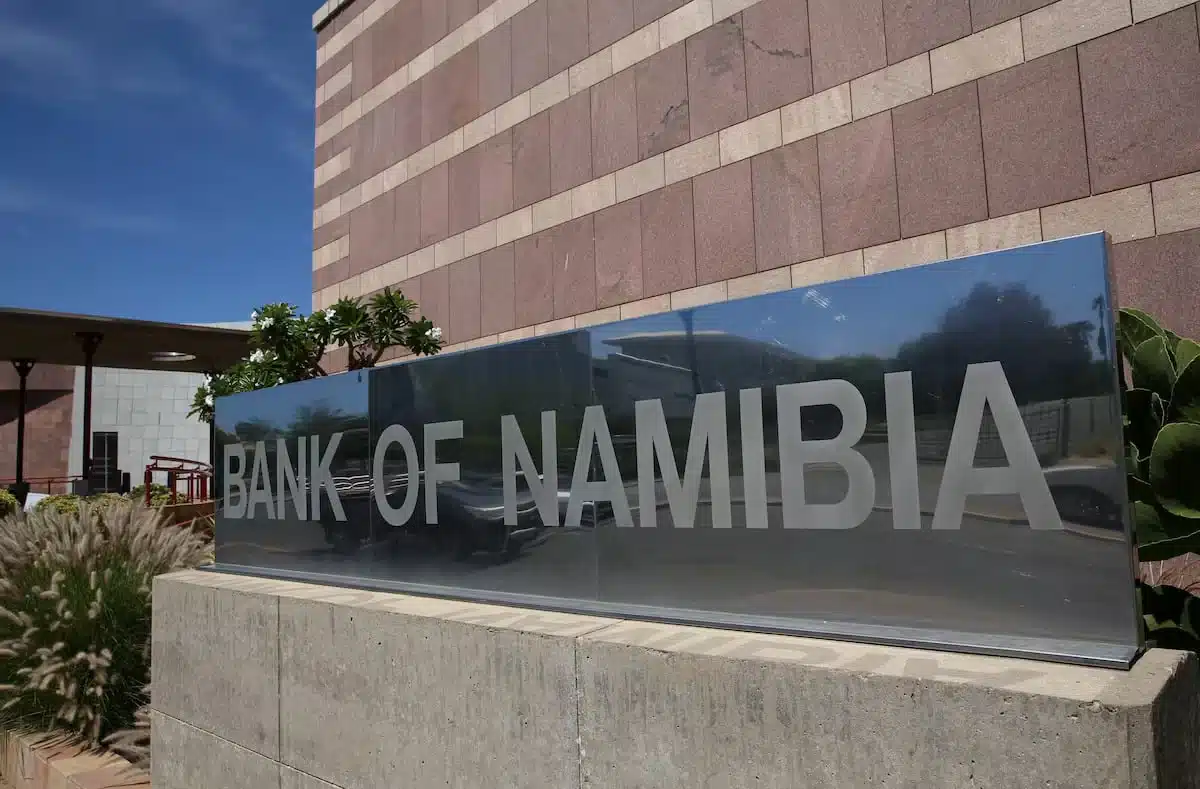


Namibia’s central bank has held its benchmark lending rate at 6.5% for a third consecutive meeting, sticking with a cautious stance even as private sector credit growth continues to lose momentum and economic activity softens.
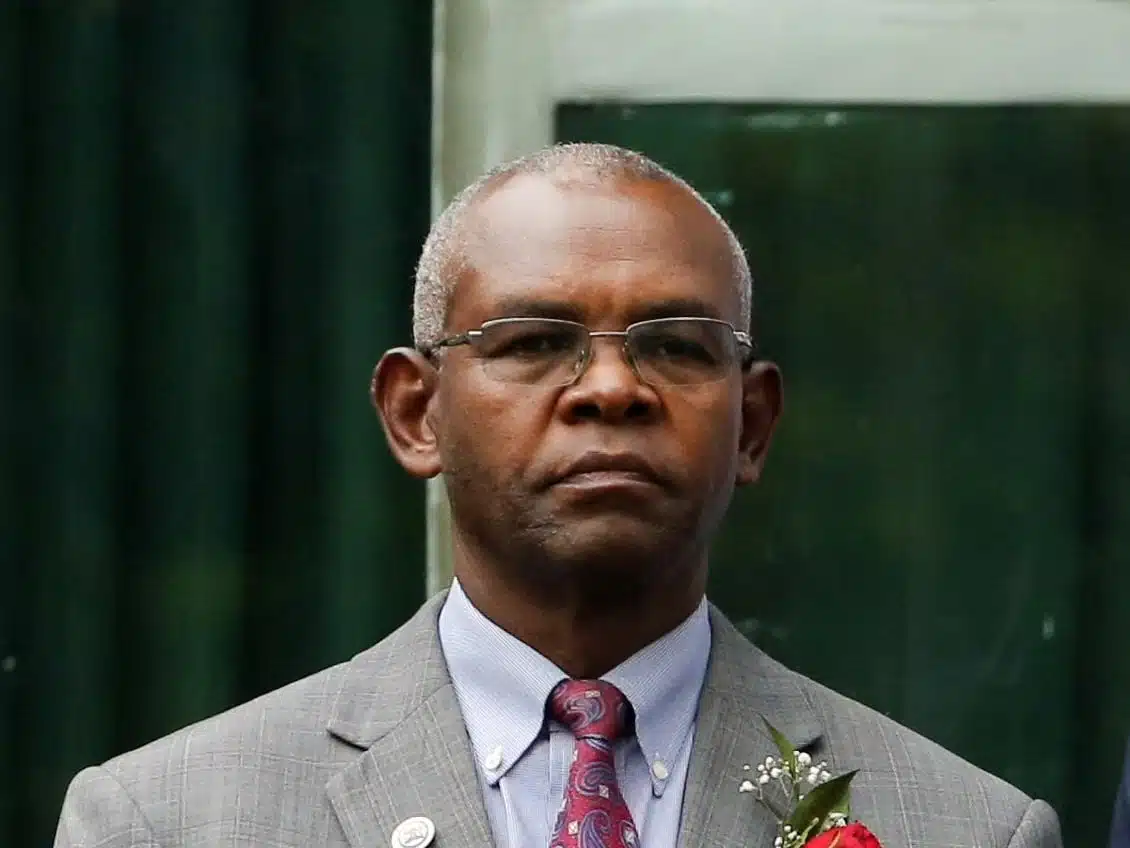
Announcing the decision after the Monetary Policy Committee meeting on Wednesday, Bank of Namibia governor Ebson Uanguta said policymakers unanimously agreed to keep rates unchanged, citing subdued inflation and adequate levels of international reserves.
The move was widely expected and reflects Namibia’s close monetary alignment with South Africa, where policy decisions at the South African Reserve Bank continue to shape the outlook for the smaller, highly integrated economy.
The SARB left its benchmark rate unchanged when policymakers met in January, keeping the repo rate at 6.75% for a second straight meeting.
That decision maintained the 25-basis-point differential between the two countries’ policy rates, a gap Namibia typically seeks to preserve to support the currency peg and limit capital outflows.
Inflation eases, external buffers improve
Uanguta said Namibia’s inflation trajectory has continued to improve, giving policymakers room to remain on hold. According to him, headline inflation averaged 3.5% in 2025, down from 4.2% in 2024, before easing further to 2.9% in January 2026.
“Inflation is projected to remain steady at 3.5% in 2026 before moderating slightly in 2027. Domestic inflation remains well contained and is projected to stay within comfortable levels over the medium term, supported by lower oil and food price assumptions and a stronger currency, although upside risks remain,” Uanguta said during his maiden monetary policy announcement.
Namibia’s external position also strengthened last year. The merchandise trade deficit narrowed by 35.4% to N$25 billion ($1.6 billion) in 2025, supported by higher export volumes and favourable commodity prices, particularly for uranium and gold.
International reserves improved following the redemption of the country’s US$750 million Eurobond, rising to N$51.9 billion at the end of January 2026. That level is equivalent to 3.3 months of import cover.
“At this level, foreign reserves are sufficient to support the currency peg and meet the country’s international financial obligations, which remains a central consideration in our policy decisions,” Uanguta said.
Credit growth slows, economy loses momentum
Despite the improving inflation and external position, domestic credit conditions remain subdued. Growth in Private Sector Credit Extension (PSCE) slowed to 4.4% in December 2025, from 5.9% in September.
Although average credit growth for the full year improved to 4.9% in 2025, up from 2.5% in 2024, Uanguta said lending to both households and businesses remains subdued, reflecting weak demand and cautious borrower sentiment.
The slowdown has persisted even as lending rates have gradually adjusted lower in response to earlier monetary easing, suggesting that lower borrowing costs alone have not been sufficient to revive credit appetite.
At the same time, economic activity has weakened. Official data show that gross domestic product growth slowed over the first three quarters of 2025, with contractions recorded in agriculture, fishing, mining and manufacturing
Rate cuts pushed into second quarter
Against this backdrop, analysts have pushed back expectations for the start of Namibia’s easing cycle.
The Standard Bank Namibia now expects the central bank to hold rates steady in the near term, with the first cut likely in the second quarter of 2026.
“Our baseline expectation is that the Bank of Namibia will keep rates unchanged until the South African Reserve Bank fully closes the differential through additional cuts. Only then would BoN begin its own easing cycle, most likely delivering two 25-basis-point reductions in tandem with South Africa during 2026,” said Helena Mboti, an economist at the lender.
Market watchers say the case for rate cuts in South Africa — and by extension Namibia — has strengthened following a further slowdown in South African inflation to 3.5% in January from 3.6% in December, raising expectations of easing when policymakers meet again in March.
NB: $1 = N$16.03 as of February 18, 2026