


Nigeria’s central bank is pushing to bring inflation down to single digits even as a sharp rise in fuel prices threatens to reverse recent macroeconomic gains and complicate monetary policy.
The Central Bank of Nigeria (CBN) said it is seeking inflation of 6–9% over the medium term as it accelerates its transition to a full inflation-targeting framework, according to a statement issued after a policy engagement with the Nigerian Economic Society and academics on March 18, seen on Monday.
The move marks a shift toward a more transparent, rules-based monetary regime anchored on price stability, with policymakers seeking to rebuild credibility after years of elevated inflation and policy uncertainty.
Inflation easing, but risks rising
Recent data suggest early progress. Headline inflation has slowed markedly from 34.8% in late 2024 to 15.1% by early 2026, reflecting sustained monetary tightening and improved policy discipline.
CBN Deputy Governor for Economic Policy, Muhammad Sani Abdullahi, said the bank remains on track to achieve its target, barring major disruptions.
“The medium-term target is to steer inflation into a single-digit range of 6–9 per cent, barring major external shocks,” Abdullahi said in the statement, adding that achieving this would require “sustained policy discipline, anchored expectations, and a credible institutional framework trusted by markets.”
He noted that inflation targeting would serve as a “crucial nominal anchor,” helping guide market expectations, lower risk premia, and support longer-term investment decisions.
The central bank has already begun cautiously easing policy, cutting its benchmark rate by 50 basis points to 26.5% last month — its second reduction in six months — as price pressures moderated.
Fuel shock threatens disinflation path
However, the improving inflation outlook is now under pressure from surging fuel prices triggered by global disruptions.
Data from InvestorSight, citing Global Petrol Prices, show petrol prices in Nigeria have jumped 39.5% since February 23, placing the country among the hardest hit globally by the latest geopolitical crisis.
Despite being Africa’s largest oil producer, Nigeria remains heavily dependent on imported refined fuel, leaving it exposed to external shocks.
With the Strait of Hormuz effectively closed, global supply constraints are feeding directly into domestic fuel costs. The resulting price increases are already filtering through the economy, raising transport fares, electricity costs, and food prices.
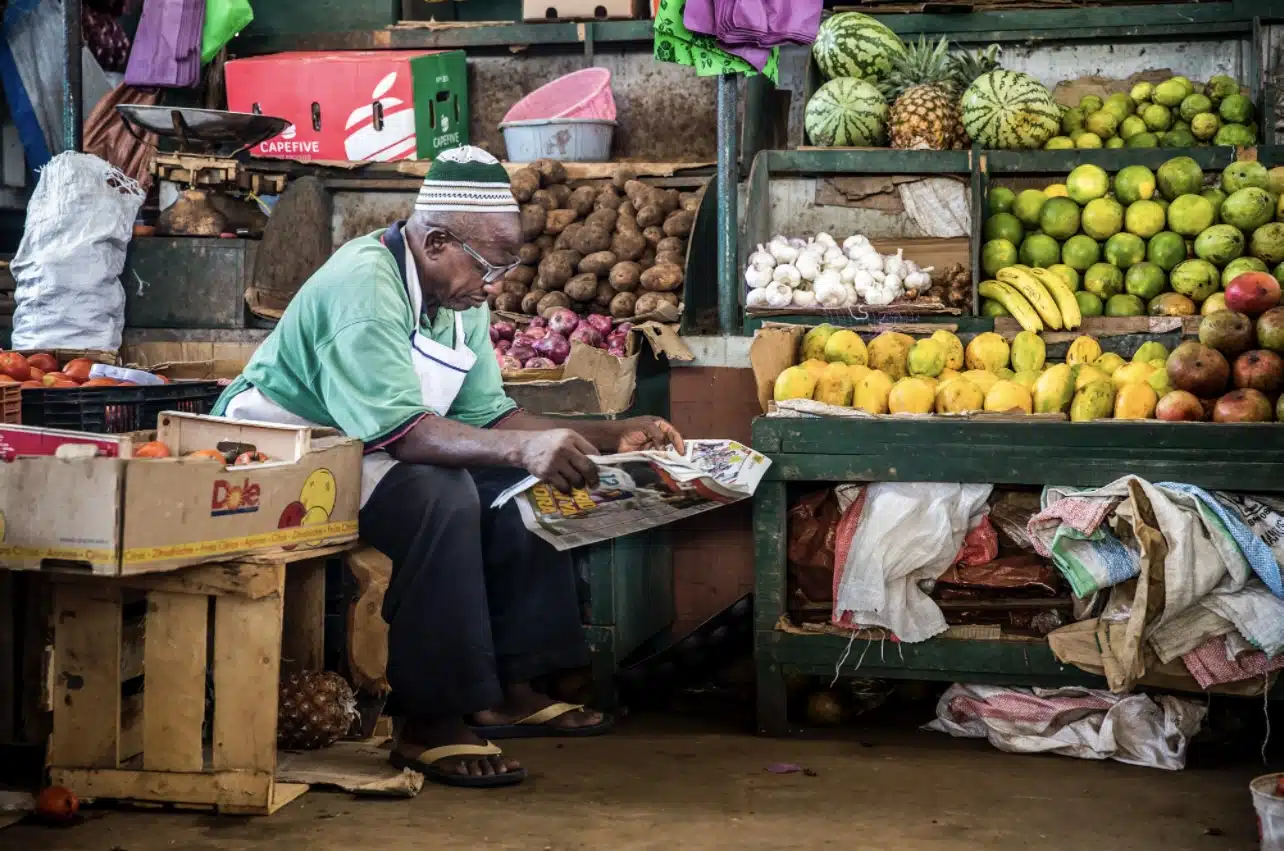
Businesses reliant on fuel-powered logistics and generators are facing rising operating expenses, while households are contending with reduced disposable income amid higher living costs.
Policy credibility on the line
The sharp rise in energy costs underscores the challenge facing the CBN as it attempts to anchor inflation expectations while navigating external shocks beyond its control.
Abdullahi warned that “global uncertainties, including geopolitical tensions and volatile energy prices,” remain key risks for emerging economies like Nigeria, even as domestic reforms begin to take effect.
Analysts expect inflationary pressures to intensify in the coming months as higher fuel costs cascade through the broader economy, potentially slowing or reversing the disinflation trend.
The situation highlights a central tension in Nigeria’s policy framework: while tighter monetary policy and institutional reforms are helping stabilise prices, structural vulnerabilities — particularly in the energy sector — continue to expose the economy to global shocks.