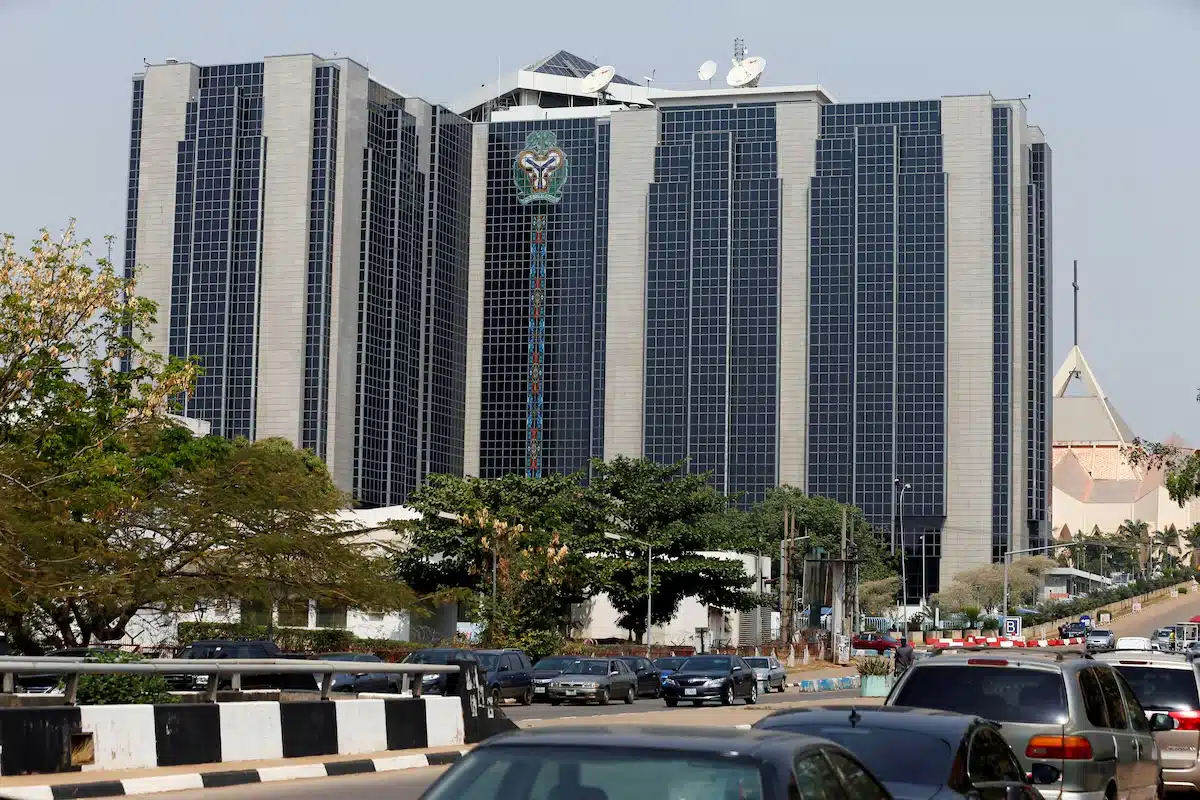

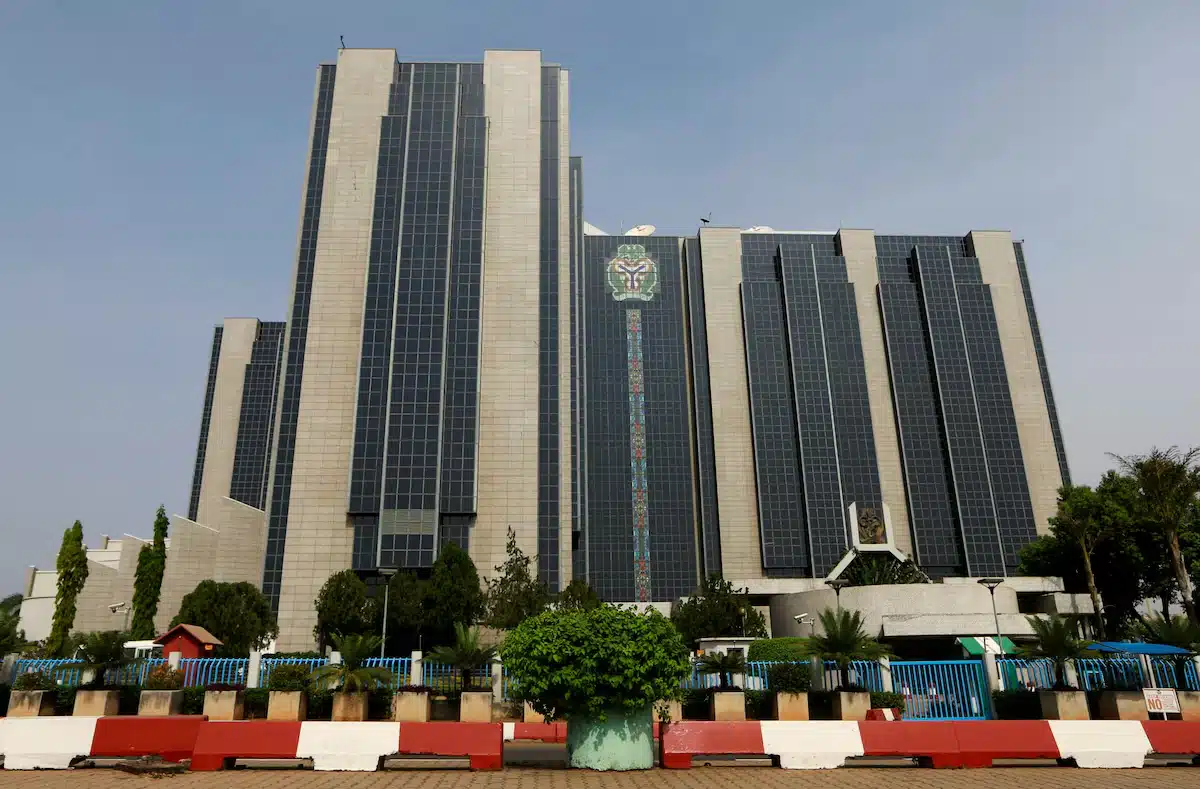


The Central Bank of Nigeria (CBN) confirmed that banks completed a major recapitalisation drive just as the March 31, 2026, deadline expired, bolstering the sector’s resilience amid economic volatility.
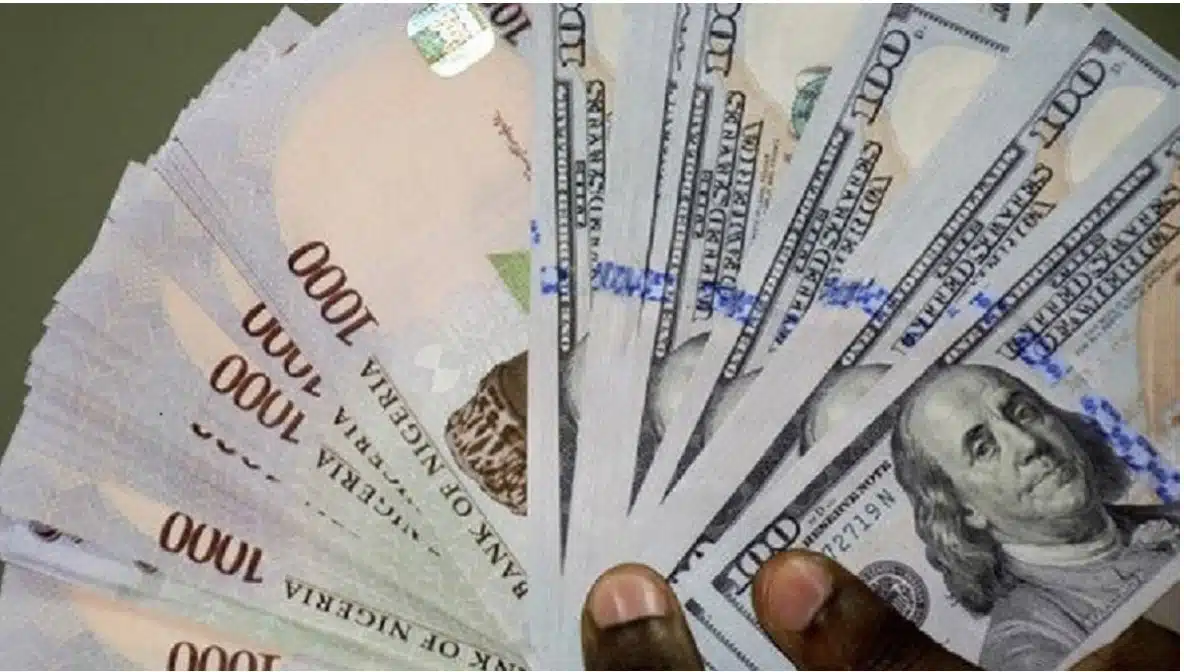
Nigerian lenders raised a total of $3.4 billion (₦4.7 trillion) through rights issues, initial public offerings, private placements and other equity channels. The funds came from both domestic and international investors, signalling strong confidence in Africa’s largest economy despite ongoing inflation and currency pressures.
New minimum capital rules trigger sector-wide overhaul
The CBN announced the recapitalisation programme in March 2024, lifting minimum paid-up capital requirements by up to tenfold to strengthen balance sheets and support greater lending capacity. The updated thresholds are:
- International commercial banks: $362 million (₦500 billion)
- National commercial banks: $145 million (₦200 billion).
- Regional commercial banks: $36 million (₦50 billion).
Non-interest banks faced lower bars of $14 million (₦20 billion) for national licences and $7 million (₦10 billion) for regional ones. The two-year compliance window ended on March 31, 2026.
High compliance rate reported as deadline passes
By early April 2026, between 30 and 34 banks had met or exceeded their respective thresholds, according to CBN updates and industry trackers. Earlier progress reports showed 30 banks compliant as of March 6, with additional institutions clearing verification in the final weeks. The exercise drew participation from nearly all of Nigeria’s roughly 33 deposit money banks.
Foreign investors contribute a significant share.
Roughly 27 per cent of the capital raised came from overseas sources, equivalent to approximately $900 million based on final tallies reported in late March. The remainder was mobilised domestically, reflecting both local investor appetite and renewed international interest in Nigerian financial institutions.
Listed banks see market value surge.
The recapitalisation also lifted valuations on the Nigerian Exchange. Thirteen listed banks saw their combined market capitalisation more than double from 5.85 billion dollars (₦8.08 trillion) before the programme began to 15.07 billion dollars (₦20.83 trillion) by late March 2026.
Recapitalisation positions sector for growth and stability.
The fresh capital is expected to enhance banks’ ability to absorb shocks, expand lending to key sectors such as infrastructure and small businesses, and support Nigeria’s ambition to reach a 1-trillion-dollar economy. Analysts view the swift compliance as a positive signal for financial system stability following years of naira depreciation and inflationary pressures.
The CBN has described the outcome as evidence of robust investor faith in the banking sector’s long-term prospects. With the deadline now met, attention turns to how the strengthened balance sheets will translate into increased credit flow and broader economic expansion.