



Nigeria’s inflation rate edged down slightly to 15.10% in January, year-on-year, from 15.15% in December, marking the slowest pace of deceleration recorded in ten months, according to official data released by the National Bureau of Statistics (NBS) on Monday.
The marginal 0.05-percentage-point decline reflects a continued trend of disinflation that resumed in April after a slight pick up in March. Economists say the data widens the scope for a rate cut decision when policymakers meet next week.
January’s reading follows a methodological revision to how the NBS calculates consumer prices. The bureau switched from a single-month reference point, set as December 2024 previously, to a 12-month index averaging all months of 2024.
The move, officials said, was intended to reflect real-world prices and prevent an artificial spike in December.
Food inflation moderates faster than headline prices
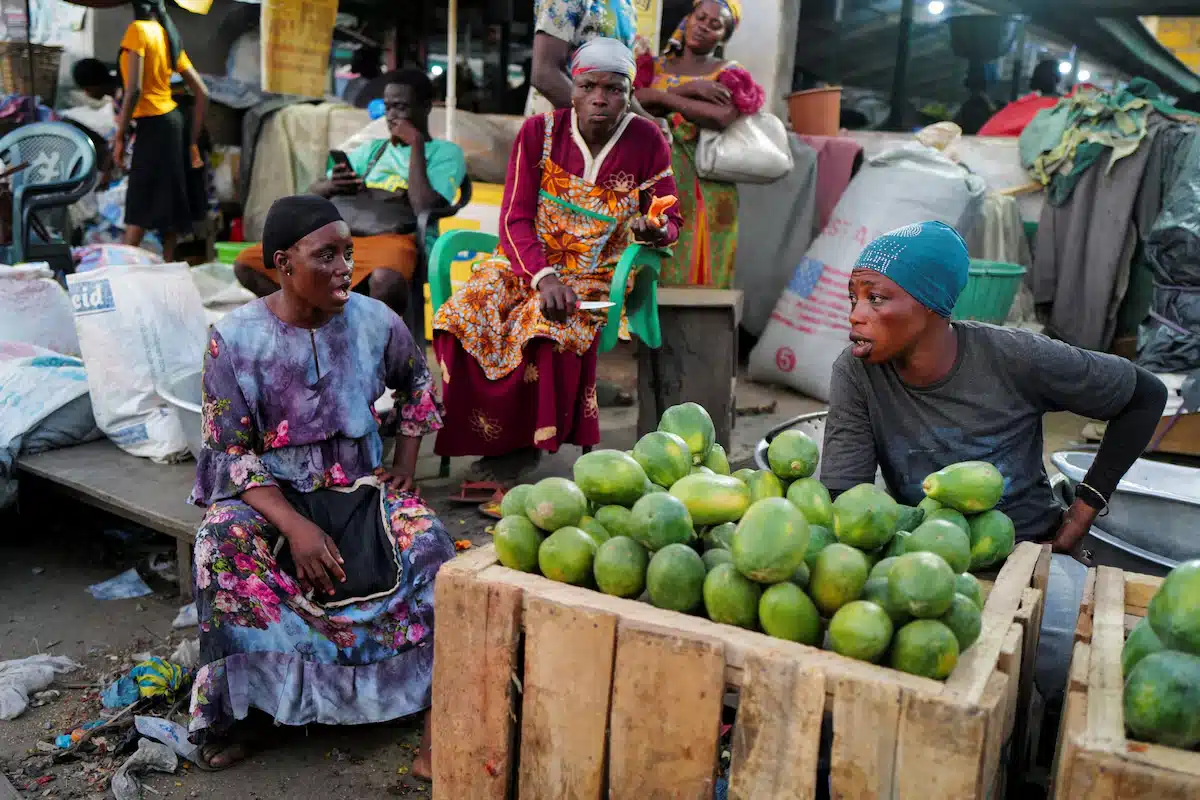
Food prices, which make up over 40% of the consumer basket, led the latest moderation.
Food inflation fell to 8.89% year-on-year in January from 10.84% in December, reflecting lower prices for key staples including water yam, eggs, green peas, groundnut oil, soya beans, palm oil, maize, beans, beef, cassava and cow peas.
On a month-on-month basis, overall consumer prices fell into negative territory, dropping 2.88% in January from a 0.54% increase in December. “This means that in January 2026, the rate of increase in the average price level was lower than the rate of increase in the average price level in December 2025,” the NBS said.
Core inflation, which excludes volatile food and energy items, also eased to 17.72% year-on-year from 18.63% in December. Month-on-month core inflation fell to -1.69% from 0.58%, highlighting a broad-based slowdown across both food and non-food sectors.
Regional trends signal broader disinflation
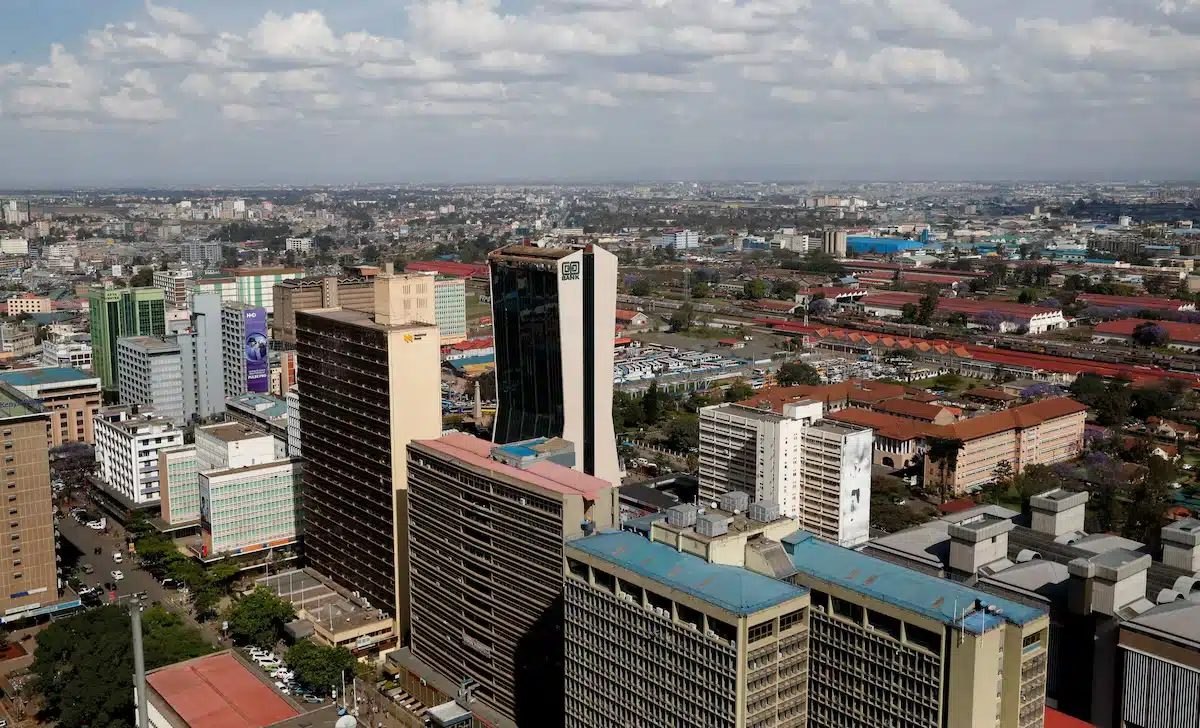
Nigeria’s moderation aligns with trends across major African economies. Kenya’s inflation eased to a six-month low of 4.4% in January from 4.5% in December, while Ghana recorded 5.7%, marking its 12th consecutive month of decline.
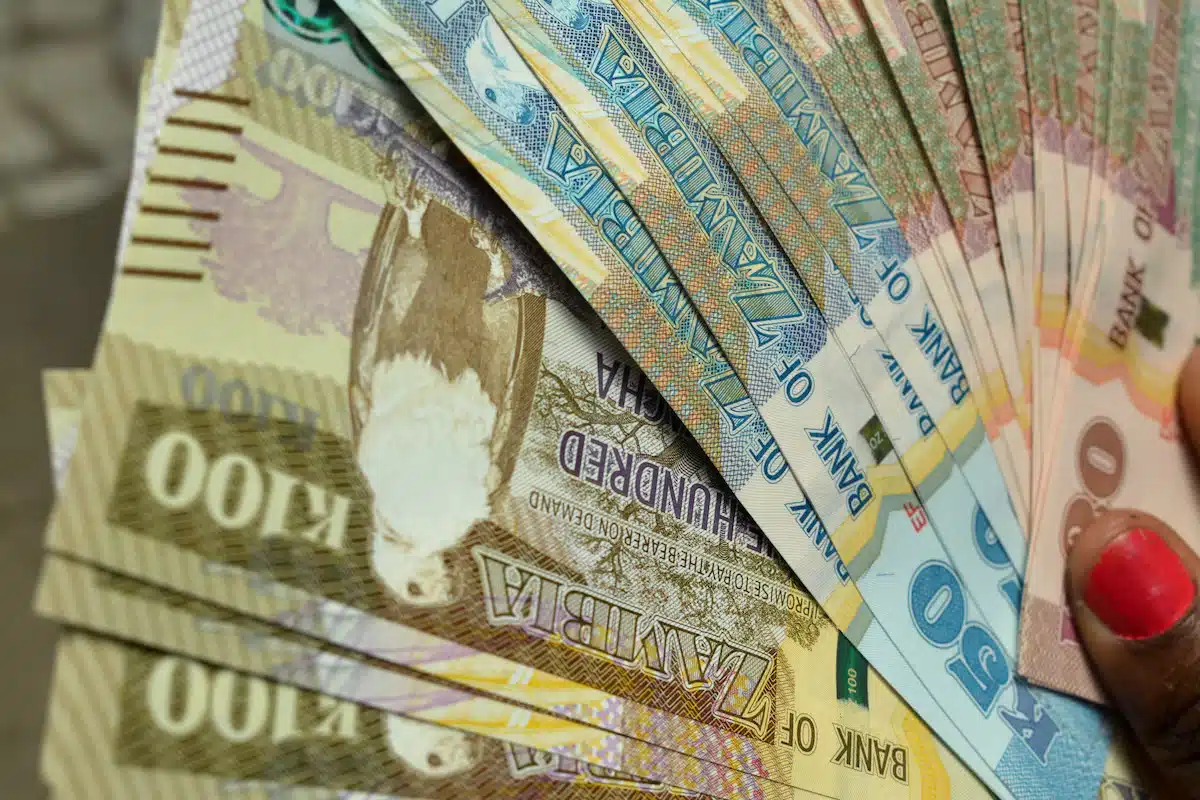
Zambia’s inflation slowed to 9.4% from 11.2% in December, its lowest reading since January 2023. Ethiopia posted 9.7%, its first single-digit inflation in 18 years, reflecting moderating food prices amid ongoing reforms.
Zimbabwe saw the sharpest decline, with annual inflation returning to single digits at 4.1% in January from 15% in December, signaling a rare turning point for a country long plagued by hyperinflation and currency instability.
Implications for monetary policy
Analysts say the slower pace of price growth provides guidance for Nigeria’s monetary policy, giving the Central Bank of Nigeria (CBN) more room to ease rates at its first meeting in 2026, scheduled for February 23–24.
A reduction would contrast with the prevailing trend in 2025, when the central bank largely maintained rates, except for a 50-basis-point cut in September, even as disinflation persisted.