
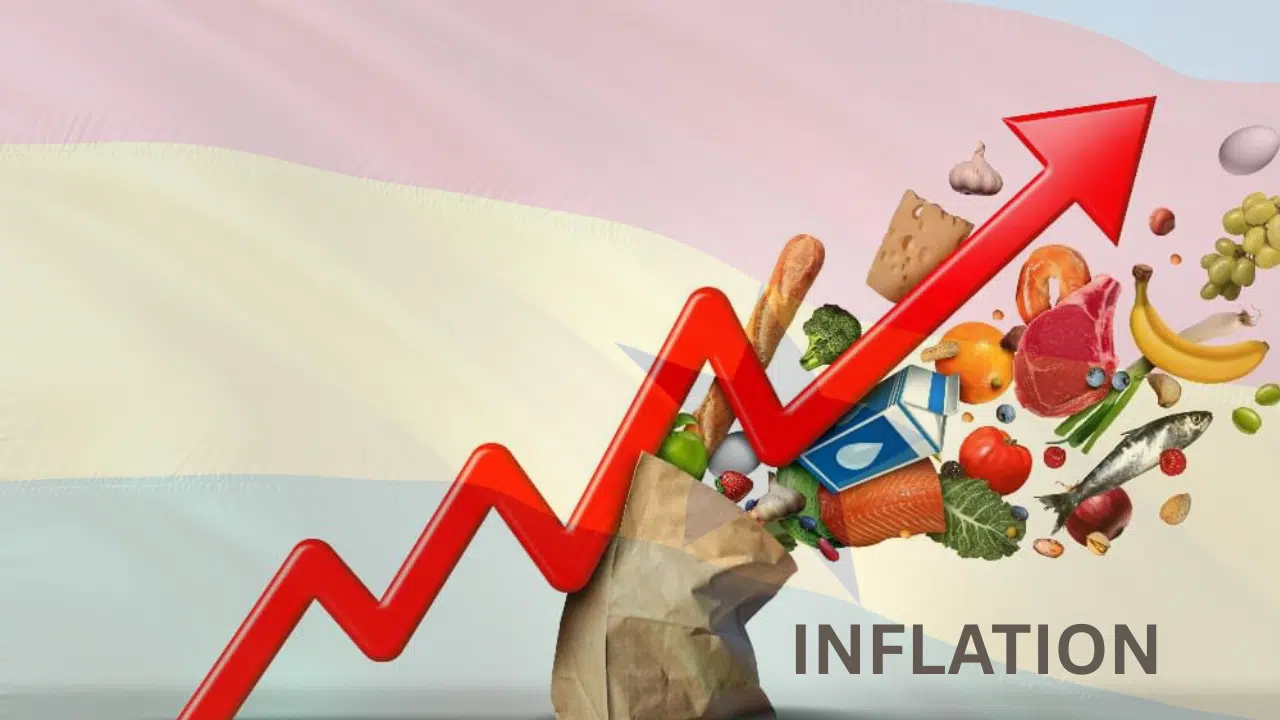


Nigeria’s annual inflation rate eased slightly to 15.06% in February 2026, according to new data released by the National Bureau of Statistics (NBS), extending a gradual disinflation trend seen over the past year.
The latest figure represents a modest decline from 15.10% recorded in January, marking the eleventh consecutive month of slowing year-on-year inflation and suggesting that overall price pressures in the economy are gradually moderating.
The improvement reflects a combination of stronger agricultural output, improved supply conditions, and relatively stable currency dynamics, which have helped slow the pace of price increases across the economy.
However, underlying price pressures remain uneven.
Food prices climb again
Despite the easing headline figure, food inflation increased sharply, rising to 12.12% year-on-year in February from 8.89% in January, according to the NBS.
Food and non-alcoholic beverages remain the largest contributors to Nigeria’s inflation basket, accounting for more than six percentage points of the headline index.
The increase reflects higher prices for key staples including maize, rice, sorghum and other grains, partly driven by seasonal demand ahead of Ramadan, which traditionally pushes up food consumption across the country.
Because food accounts for a significant share of household spending in Nigeria, rising food prices continue to weigh heavily on household purchasing power, particularly for lower-income households.
Core inflation continues to ease
Meanwhile, core inflation — which excludes volatile agricultural produce and energy prices — declined to 17.72% in February from 18.63% in January, signalling easing pressure in services and other non-food components.
This moderation partly reflects the base effect from the high inflation spikes recorded in 2024 and early 2025, when price pressures surged across the economy.
In addition, Nigeria’s recent CPI rebasing to a 2024 base year and revised consumption weightings have influenced the measurement of inflation trends.
Mixed signals for the economy
Although the annual inflation figure suggests improving macroeconomic conditions, short-term price pressures remain present.
Monthly inflation stood at around 0.54%, indicating that prices continue to rise on a short-term basis even as the broader annual trend moderates.
For policymakers, the data presents a mixed picture. While disinflation signals some progress toward price stability, the renewed rise in food inflation highlights the structural challenges facing the economy — particularly in agriculture, food distribution and supply chains.
For households, the reality remains more complex.
Even as headline inflation cools, higher food and transport costs continue to strain household budgets, meaning the benefits of slowing inflation may take time to translate into meaningful relief in the cost of living.
Economists say sustaining the downward trend in inflation will depend on continued currency stability, stronger agricultural production and improvements in logistics and supply chains, which remain key drivers of price dynamics in Africa’s largest economy.