



Zambia is sacrificing a key source of revenue to contain the domestic fallout from surging oil prices, after scrapping fuel taxes in a move that is expected to cost the treasury about $100 million and slow recovery efforts.
The decision highlights the mounting strain on import-dependent economies as the war in Iran disrupts global energy supply, forcing governments to absorb part of the shock to prevent a sharper inflation spike.
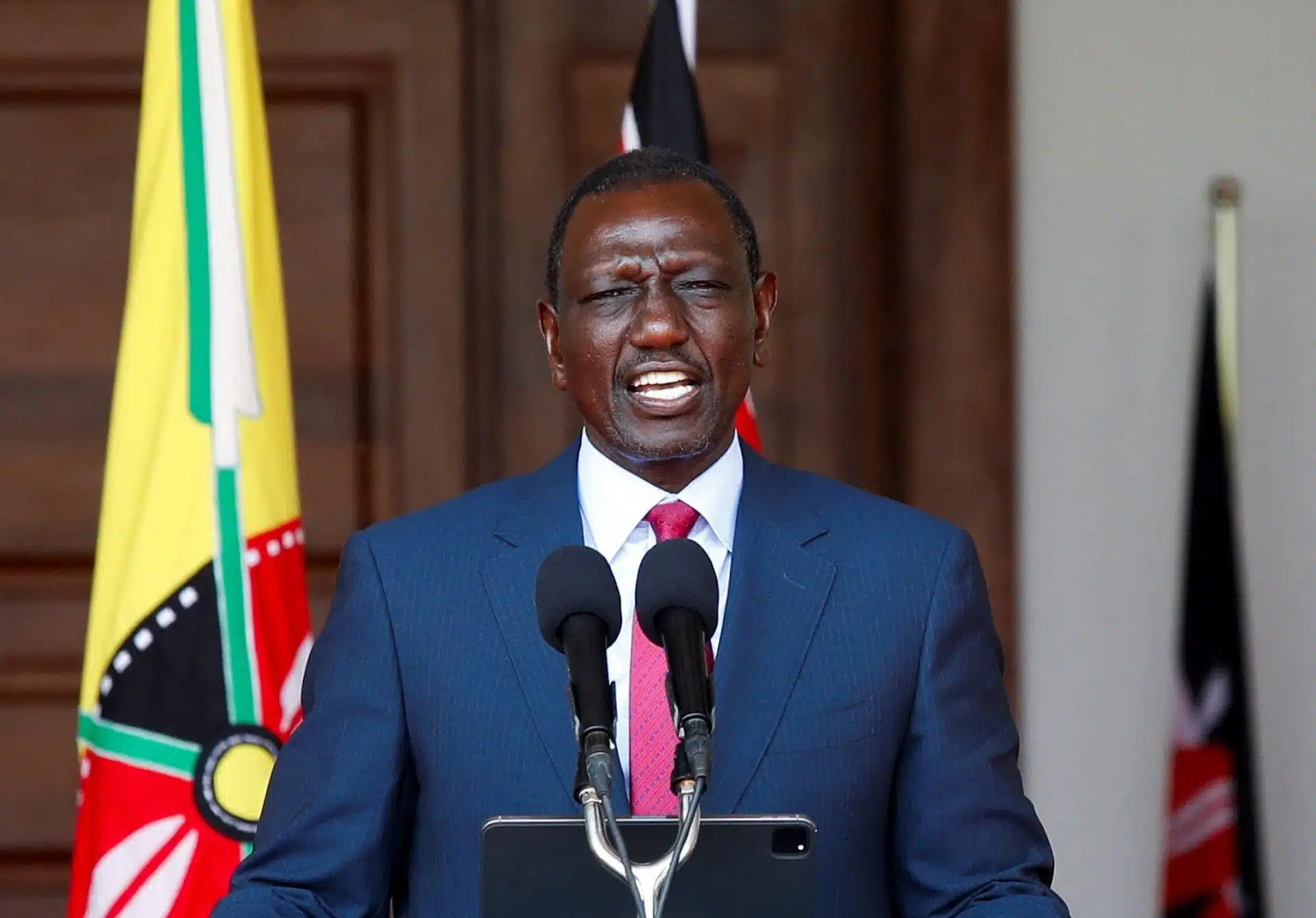
“That’s $100 million worth of taxation out the window,” finance minister Situmbeko Musokotwane told Bloomberg on Monday. “This is money that we need for all sorts of necessary activities and services in the country.”
The revenue hit comes at a delicate point in the Southern African nation’s recovery cycle.
After a prolonged debt restructuring, authorities had been targeting a fiscal deficit of 2.1% of gross domestic product this year. That path now looks increasingly difficult to maintain, with external cost pressures creeping into the budget and raising the likelihood of a wider shortfall.
Fuel supply risks deepen economic strain
Beyond the immediate fiscal impact, authorities are increasingly concerned about fuel availability as supply disruptions persist along key global shipping routes.
“The second and perhaps even more difficult consequence — and we don’t know how long this is going to last — is just the sheer availability of the energy commodity,” Musokotwane said. “We worry about the supply of fuel.”
The concern reflects broader pressures facing African economies as the Strait of Hormuz — a key artery for global oil and gas shipments — remains constrained, tightening supply and amplifying price volatility.
Zambia’s government is now preparing a broader overhaul of its 2026 budget to reflect the cumulative impact of the energy shock, beyond the immediate loss from suspended fuel taxes.
Mining sector faces rising cost pressures
The supply risk is particularly acute for Zambia’s mining sector, which remains the backbone of the economy and a key source of export earnings. Diesel powers most mining operations, from haul trucks to generators, making the industry highly exposed to energy price shocks and shortages.
“I just really hope that we can find a way of insulating the mining sector from all this,” Musokotwane added, highlighting fears that rising costs and potential disruptions could undermine efforts to boost copper output.
Zambia, Africa’s second-largest copper producer, is aiming to lift production above 1mn tonnes this year after missing that target in 2025, when output reached 890,346 tonnes. The government has also been courting international investors with plans to triple production to 3mn tonnes by 2031.
According to a recent report by S&P Global, the oil shock is already feeding into cost pressures across the global mining industry, raising concerns about profitability and investment.
“Inflation is coming hard to the miners,” David Harquail, chair of Franco-Nevada said to the agency. “The oil price hike is just accelerating it.”
Fiscal pressures mount as outlook clouds
The broader challenge for policymakers lies in balancing short-term relief measures with longer-term fiscal discipline. While halting fuel levies may boost household spending, it also removes a key source of revenue at a time when external conditions are deteriorating.
Moody’s has warned that Zambia’s fiscal deficit could widen to around 4% of GDP, nearly double the government’s target, reflecting the scale of the shock.
With uncertainty surrounding the duration of the conflict, the combination of rising import costs, fuel supply risks and fiscal slippage underscores how quickly external shocks can unsettle recovery efforts in commodity-dependent economies.