
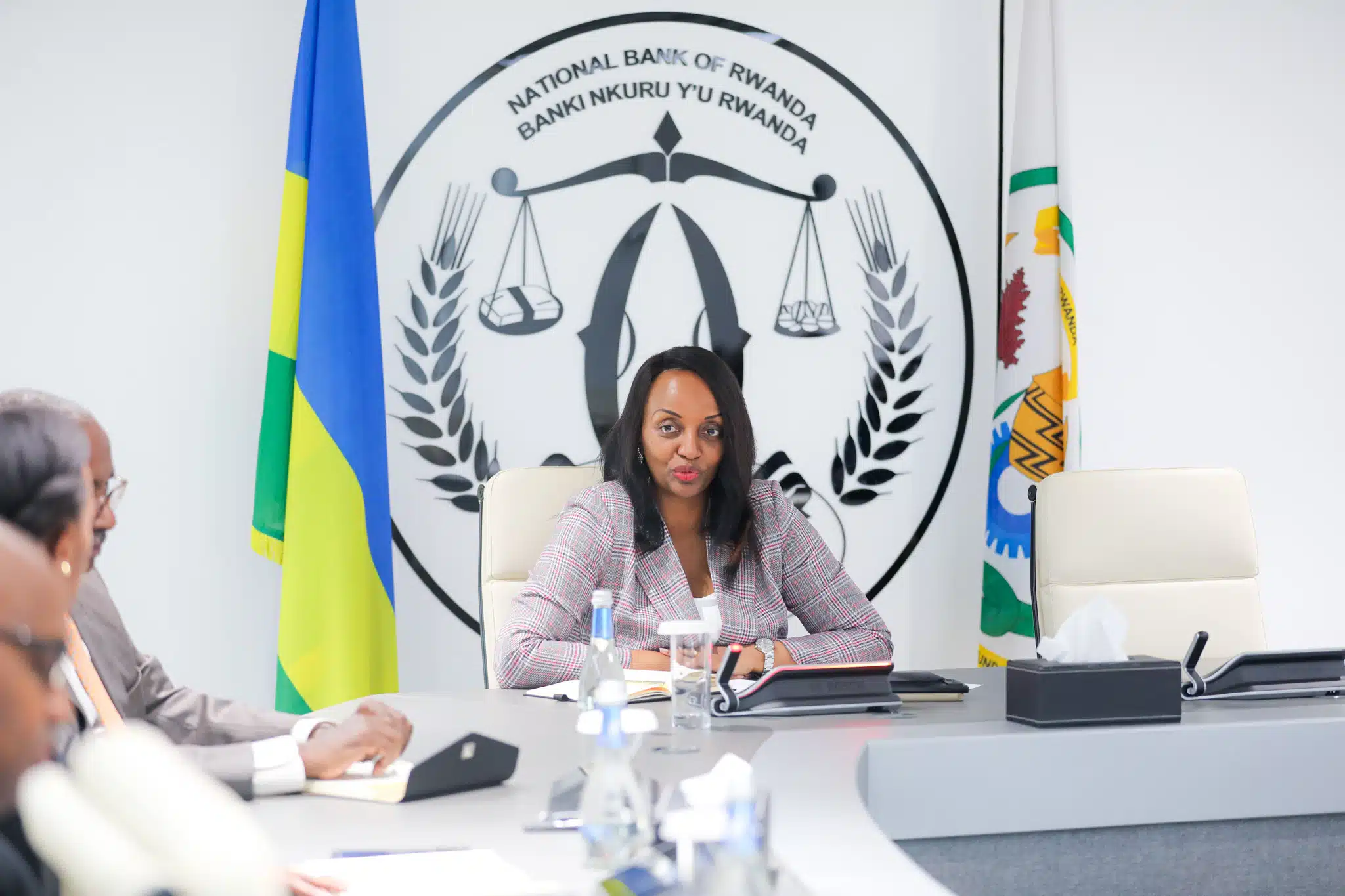


The National Bank of Rwanda (BNR) delivered its most aggressive interest rate increase in nearly three years, raising the key policy rate by 50 basis points to 7.25% on Thursday in response to resurging inflation.
The decision, announced after the BNR’s first Monetary Policy Committee meeting of 2026 , underscores growing concern that price pressures could become entrenched if left unchecked.
The latest adjustment represents the largest single hike since August 2023 and brings cumulative tightening to 75 basis points since the bank adopted a more hawkish stance in September 2025.
Inflation rises above target band
The rate hike comes as consumer prices continue to exceed the central bank’s target range of 2–8%.
Headline inflation accelerated to 8.9% year-on-year in January 2026, up from 8.0% in December 2025, reversing the easing trend that had supported Rwanda’s macroeconomic outlook last year.
The central bank attributed the renewed inflationary pressure primarily to increases in core and energy prices, even as food inflation showed signs of moderation.
Against this backdrop, the bank expects inflation to remain slightly above 8% during the first half of 2026 before gradually returning to the target band toward the end of the year.
Central bank signals commitment to price stabilityGovernor Soraya Hakuziyaremye described the policy move as a precautionary but necessary step to preserve macroeconomic stability.
“This decision will help to limit second-round effects of recent price increases and support a timely return of inflation to the target band over the medium term,” she said.
The move highlights the central bank’s priority to anchor inflation expectations and safeguard household purchasing power, even at the risk of moderating credit growth and domestic demand in the short term.
Diverging from Africa’s broader easing trend
Rwanda’s tightening cycle contrasts with developments across much of Africa, where several central banks—including those in Kenya, Egypt, and Zambia—have recently cut interest rates as inflation eased and exchange rate pressures stabilised.
Rwanda’s distinct policy stance reflects its specific inflation outlook and strong economic momentum. Real GDP expanded by 8.7% in the first three quarters of 2025, positioning the country among Africa’s fastest-growing economies.
At the same time, exchange rate pressures have moderated. The Rwandan franc depreciated by 4.40% against the U.S. dollar as of December 2025, a slower pace compared with the 9.42% depreciation recorded over the same period in 2024.
The relative stability has been supported by improved external buffers, including rising tourism earnings and remittance inflows.
Analysts see proactive move to contain risks
Analysts view the rate hike as a pre-emptive step to mitigate near-term inflation risks, particularly imported inflation linked to higher global energy and commodity prices.
“Overall, the policy move reflects a preventive stability approach-tightening early while the system is strong, rather than reacting to imbalances later,” said Pacifique Rurangwa, a Senior Strategy and Policy Analyst at Kigali International Financial Centre.
While higher borrowing costs could slow lending and economic activity in the short term, the tightening is widely seen as essential to maintaining price stability and preserving macroeconomic credibility.
Markets and investors will now monitor upcoming inflation readings, exchange rate movements, and domestic demand conditions to assess whether further policy adjustments will be required in the coming months.