
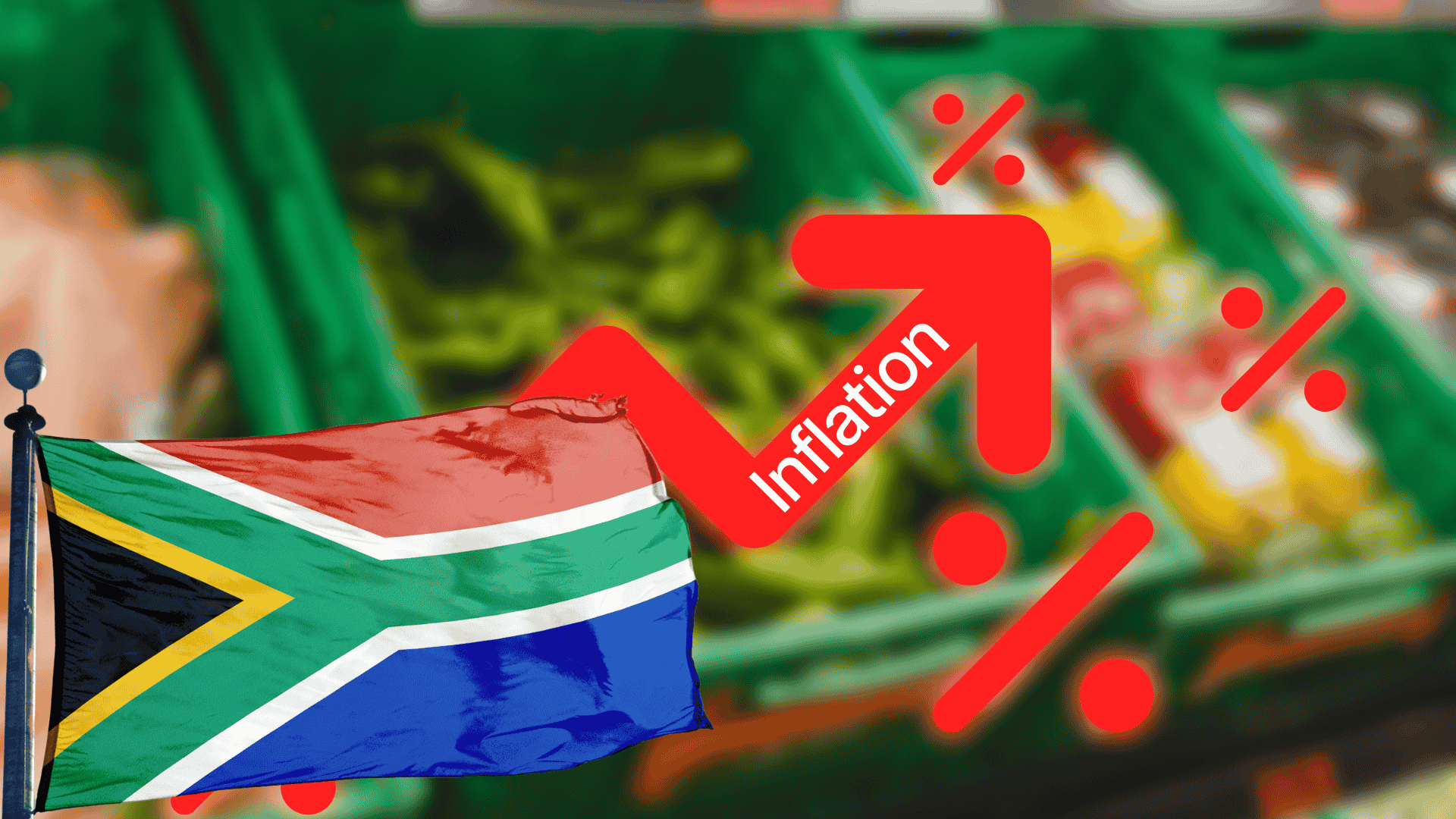


South African consumers received a modest measure of relief in January as headline inflation eased to 3.5% year on year, down slightly from previous months. The slowdown was largely driven by softer fuel prices and a moderation in certain food categories, offering some respite after a prolonged period of elevated living costs.
Yet beneath the surface, the broader cost of living continues to grind higher. On a monthly basis, the Consumer Price Index rose by 0.2%, reflecting persistent price pressures in key household spending categories. A sharp increase in meat prices, coupled with the seasonal “back-to-school” squeeze on uniforms, stationery and transport, offset much of the benefit from cheaper fuel.
The inflation reading carries particular weight given the South African Reserve Bank’s recent shift in monetary policy strategy. In November 2025, authorities formally adopted a tighter inflation objective, targeting 3% within a 1% band on either side. While January’s 3.5% print remains comfortably within that range, it marks the third consecutive month at that level. Inflation has cooled, but not decisively enough to signal a clear glide path toward the new midpoint target.
That nuance has altered market expectations. Ahead of the data release, traders were positioning for a more pronounced disinflation to around 3.4%, which would have strengthened the case for the SARB to resume interest rate cuts at its 26 March policy meeting. Instead, the stickier-than-expected outcome has prompted investors to temper bets on an imminent easing cycle.
The Reserve Bank’s benchmark interest rate currently stands at 6.75%, a level policymakers have defended by pointing to global uncertainty and domestic risks, particularly in food and electricity prices. January’s inflation breakdown reinforces those concerns. Housing and utilities inflation climbed to 4.8%, while food and non-alcoholic beverages rose 3.4% year on year.
Broader concerns are in the picture
Meat prices have emerged as a focal point. A foot-and-mouth disease outbreak has disrupted cattle supply, constraining production and pushing retail prices higher. With protein a staple component of household consumption, sustained pressure in this category could keep food inflation sticky in the near term, complicating the Reserve Bank’s disinflation efforts.
At the same time, external dynamics offer a counterbalance. The rand has firmed modestly in recent weeks, reducing the cost of imported goods, while global oil prices have remained relatively contained. If these trends persist, they could reinforce a gradual easing in headline inflation over the coming months.
The policy dilemma for the central bank is therefore finely balanced. Inflation is within target but not yet convincingly anchored around 3%. Cutting rates too quickly risks reigniting price pressures, particularly if food shocks intensify or electricity costs rise again. Holding rates steady for longer, however, prolongs tight financial conditions for households and businesses already contending with weak growth.
For now, investors appear to be recalibrating rather than abandoning expectations of easing. Instead of an aggressive or front-loaded rate reduction, markets are beginning to price in a more cautious and incremental path, possibly later in the year.
The next few inflation prints will be decisive. Should price growth edge closer to the 3% midpoint, the Reserve Bank may gain the confidence to trim borrowing costs. But if food and utility pressures persist, the start of the rate-cutting cycle could arrive more slowly than previously hoped, keeping South Africa’s recovery on a careful and measured footing.