


South Africa’s central bank has kept its repo rate unchanged at 6.75% for the second consecutive time, citing global tensions and concerns that food and electricity price pressures could reignite inflation.
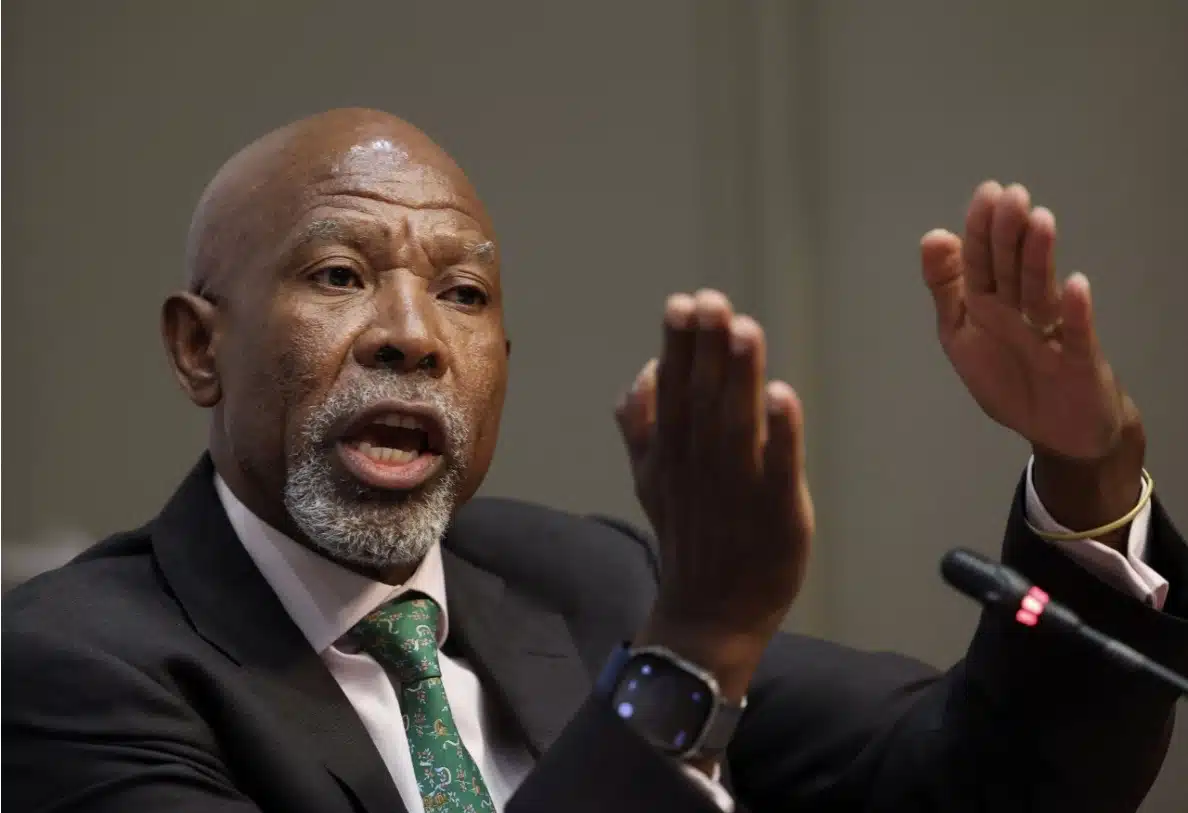
According to a statement issued by the South African Reserve Bank (SARB) Governor Lesetja Kganyago on Thursday, four members of the Monetary Policy Committee (MPC) favored the no change decision, while two backed a 25 basis point cut.
The hold comes against a backdrop of subdued inflation but heightened global uncertainty as geopolitical risks persist.
Per the bank’s estimates, headline inflation averaged 3.2% last year, close to the bank’s revised 3% target, but edged up to 3.6% in December due to what the officials described as temporary factors.
“We expect this was the peak, and that inflation will slow from here,” Kganyago said, adding that the near-term inflation forecast has improved on the back of a stronger rand and lower oil price assumptions.
However, the central bank flagged risks from food and administered prices. It said food inflation remains a concern, particularly meat prices, which are being affected by a serious outbreak of foot-and-mouth disease. The bank also highlighted uncertainty around electricity tariffs, noting that the energy regulator’s price correction could rise from 54 billion rand to 76 billion rand, potentially leading to steep tariff hikes.
Despite these risks, inflation expectations have continued to decline. The SARB said longer-term inflation expectations have fallen to record lows in the latest survey, a development it sees as critical to anchoring inflation closer to its goal.
“We look forward to (inflation) expectations declining further as South Africans experience ongoing lower inflation,” Kganyago said.
Domestic and global markets
On the domestic economy, the central bank said growth has become steadier, with South Africa expanding for four consecutive quarters. Available data suggest the economy grew again in the most recent quarter, which would mark the longest unbroken growth phase since 2018.
Household consumption has been the main driver of growth, rising by more than 3% last year, while overall economic growth is estimated at around 1.3%. Investment, however, remained weak during the first half of 2025 before rebounding in the third quarter.
The SARB said it hopes the recovery in investment will be sustained, allowing the economy to achieve structurally higher growth. Its forecasts show growth gradually approaching 2% over the medium term, with some upside risks.
Globally, the central bank pointed to elevated geopolitical tensions, rising government debt in major economies, and renewed market volatility, even as global growth remains resilient and financing conditions for emerging markets stay supportive.
Gradual rate cuts expected from mid-year
Analysts expect the SARB to keep interest rates unchanged through the first half of the year as policymakers to assess inflation trends, currency stability and global risks.
Easing is more likely in the second half of 2026, provided inflation continues to slow and external pressures from food and energy prices remain contained.
“By Q3 2026, should fiscal and global conditions allow, SARB may cautiously begin easing to support domestic demand without compromising stability,” said Tsakane Zibi, a Johannesburg-based economist. The SARB will meet again on March 26.