
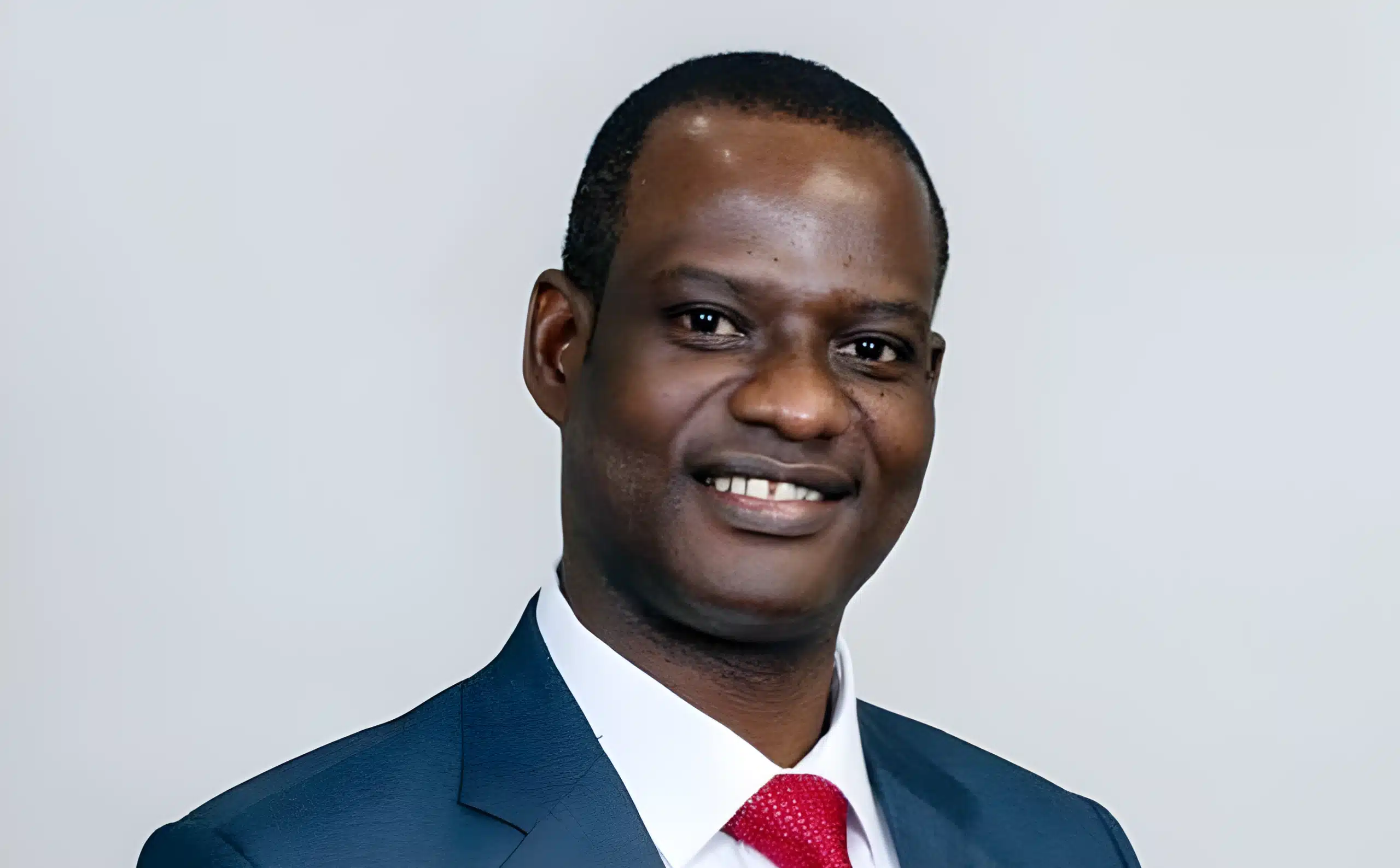


Nigeria has appointed a new finance minister for the second time in two months, as President Bola Tinubu replaced Wale Edun with Taiwo Oyedele in a fresh cabinet reshuffle aimed at accelerating economic reforms.
The decision, announced in a statement issued by Secretary to the Government of the Federation, George Akume and cited by local media reports on Tuesday, also saw the removal of Housing Minister Ahmed Musa Dangiwa, with Muttaqha Rabe Darma named as his replacement.
Oyedele’s appointment marks a rapid elevation, coming just weeks after he was named Minister of State for Finance in an earlier reshuffle, before now being promoted to take charge of the finance ministry and coordinate the economy.
He has been directed to assume office immediately, with all handover processes to be completed by April 23.
“These changes are aimed at strengthening cohesion, synergy in governance as well as achieving more impactful delivery on the economy to Nigerians,” the presidency said in the statement.
Rapid reshuffle raises focus on policy continuity
The back-to-back changes at the finance ministry come at a critical point for Nigeria’s economic management, raising questions about continuity as the government pushes through a broad reform agenda.
Edun, who served as finance minister since August 2023, was a central figure in shaping the administration’s fiscal strategy. His tenure was defined by efforts to shift Nigeria from a state-led, subsidy-heavy model toward a more market-driven and revenue-focused framework.
Key reforms under his watch included the removal of the petrol subsidy, a policy the government said would free up fiscal resources for development spending. However, the reform period has also been marked by persistent budget pressures and macroeconomic instability, including inflation and exchange rate volatility.
The presidency acknowledged the outgoing ministers’ contributions, thanking them for their service while noting that “the process of reinvigoration shall be continuous.”
Reform architect steps into execution role
Oyedele’s appointment signals a shift from policy design to implementation.
Before entering government, he led the presidential committee on fiscal policy and tax reforms, where he played a central role in designing changes aimed at boosting revenue mobilisation and improving the efficiency of the tax system. He brings more than two decades of experience, including 22 years at PwC, where he served as a fiscal policy partner and Africa tax leader.
His move into the finance ministry places him at the centre of executing reforms he helped design—arguably his most significant test yet.
$51tn budget looms as immediate challenge
At the top of Oyedele’s agenda will be the implementation of Nigeria’s $50.7 billion (₦68.3 trillion) budget, which will require balancing ambitious spending plans with revenue constraints and debt sustainability concerns.
The scale of the budget underscores the importance of improving revenue generation and fiscal discipline, particularly as the government seeks to stabilise the economy and rebuild investor confidence.
Beyond fiscal management, the new minister will also need to navigate broader macroeconomic challenges, including sustaining reform momentum, managing inflationary pressures, and supporting a more market-driven economic framework.
Reform momentum under scrutiny
The latest reshuffle reinforces the administration’s willingness to make rapid changes in pursuit of its economic objectives. Akume noted that the president exercised his constitutional powers in approving the changes, adding that efforts to strengthen governance and delivery would remain ongoing.
For investors and market participants, the key question is whether the leadership change will accelerate reform implementation or introduce new uncertainty at a time when policy clarity is critical.
With reforms already underway and fiscal pressures mounting, Oyedele’s tenure will be closely watched as a test of Nigeria’s ability to translate policy ambition into measurable economic outcomes.
NB: $1 = ₦1,347 as of April 21, 2026