



The escalating US-Israel, Iran conflict has placed the Strait of Hormuz, the chokepoint for roughly 20% of global seaborne crude and significant LNG volumes, at the heart of energy market volatility.
Following coordinated strikes that disrupted Iranian leadership and triggered retaliatory actions, including attacks on tankers and warnings against passage, commercial shipping has largely halted. Major carriers have suspended transits, vessels are anchoring in clusters, and tanker traffic has dropped sharply (reports indicate 40-70% reductions in key lanes).
Looking at macro risks, commodity curves, EM exposures, and Africa-linked strategies, the implications are immediate and asymmetric. Brent crude has already reacted strongly as over-the-counter indications point to a sharp jump to around $80/bbl (from Friday’s close near $73), with analysts expecting Monday opens in the $85–90 range and tail risks toward $100+ if disruptions persist.
Africa’s position: net importers’ vulnerability in focus.
Africa remains predominantly a net oil importer, amplifying exposure to sustained higher energy costs and freight/insurance premiums. While the net exporters (Nigeria, Angola) may capture near-term revenue upside, the broader continent faces imported inflation, currency pressure, and growth headwinds.
Core transmission channels include:
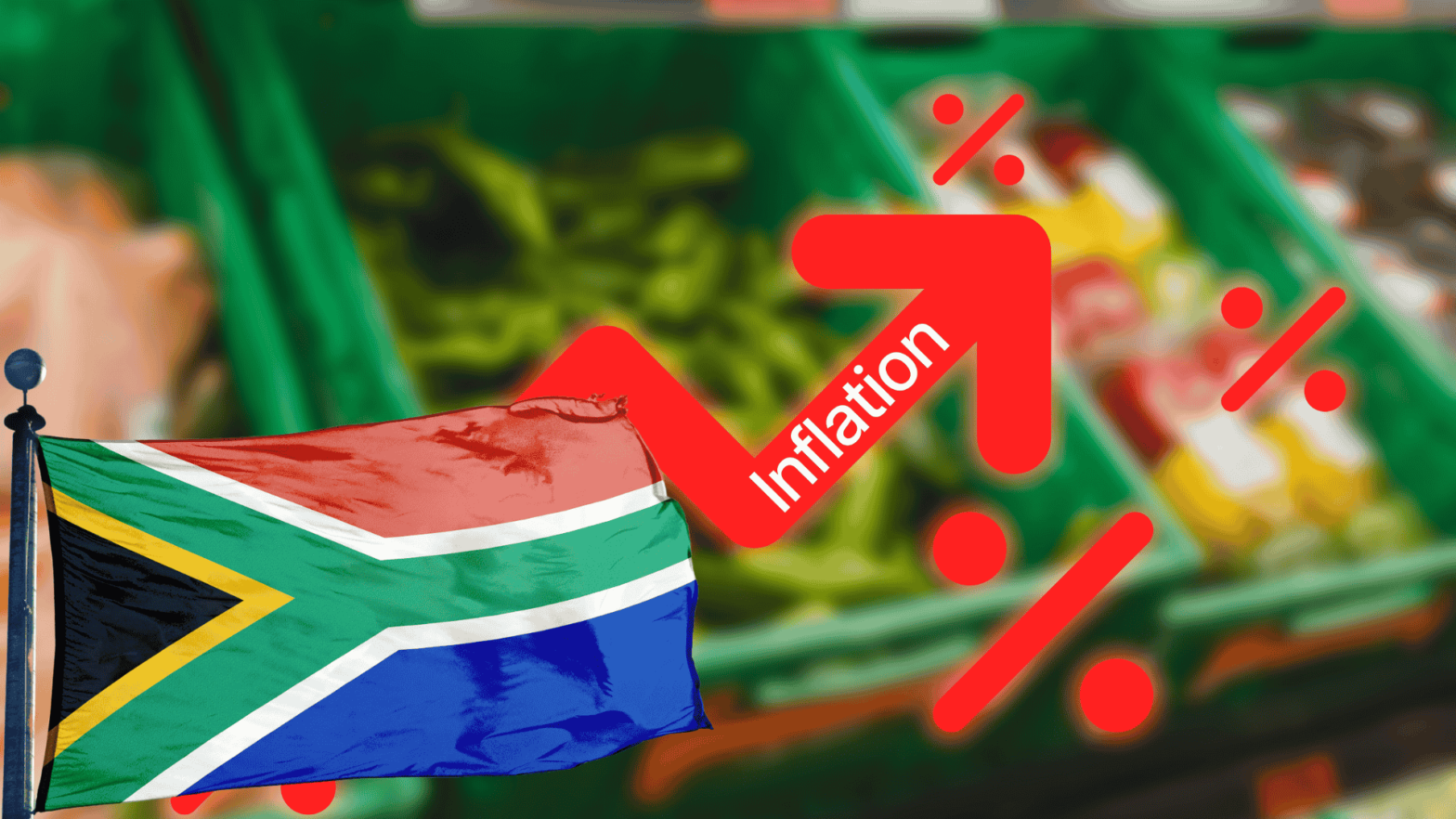
- Elevated import bills and inflation pass-through – Gulf-sourced refined products feed much of East, West, and Southern Africa’s needs (e.g., Kenya, Tanzania, Uganda, Ghana, Senegal, South Africa). A prolonged spike drives wider current-account gaps, depreciation risks (NGN, ZAR, KES), and higher transport/food/manufacturing costs.
- Fertiliser and agri-input cost escalation — Gulf nitrogen supplies face disruption risk, pressuring agriculture-heavy economies and food inflation in sub-Saharan markets already sensitive to global shocks.
- Fiscal/monetary tightening risks — Higher CPI limits policy space for high-debt or inflation-targeting regimes, potentially dragging 2026 growth forecasts.
Net exporters see mixed dynamics: short-term fiscal/reserve boosts for Nigeria (amid reforms and output gains) could be offset by eventual global demand softening if the shock extends.
Near-Term scenarios
- Base (De-escalation / Partial Recovery): Brent eases toward $75–85 as OPEC+ output ramps and inventories buffer losses. African inflation surprises remain manageable; exporters enjoy modest windfall.
- Adverse (Sustained Restrictions / Rerouting): Cape of Good Hope detours inflate tanker rates and war-risk premia. Brent holds $90–100+, fueling stagflationary pressures across importers and eventual demand destruction weighing on all.
- Tail (Prolonged / Full Disruption): Triple-digit oil revives severe energy-shock scenarios, with recessionary global spillovers hitting African terms-of-trade hard.
OPEC+ spare capacity offers some cushion, but persistent rerouting and insurance costs will embed volatility. U.S. naval presence may help reopen lanes, yet headline risk remains elevated.
For investors with Africa-focused portfolios, it is essential to prioritize stress-testing for energy cost exposures, foreign exchange pairs, sovereign and credit spreads, and commodity-linked assets. By closely monitoring real-time shipping flows, communications from the Islamic Revolutionary Guard Corps (IRGC), and signals from OPEC+, this geopolitical event acts as a significant catalyst for increasing imported inflation and fiscal vulnerability across the continent.