
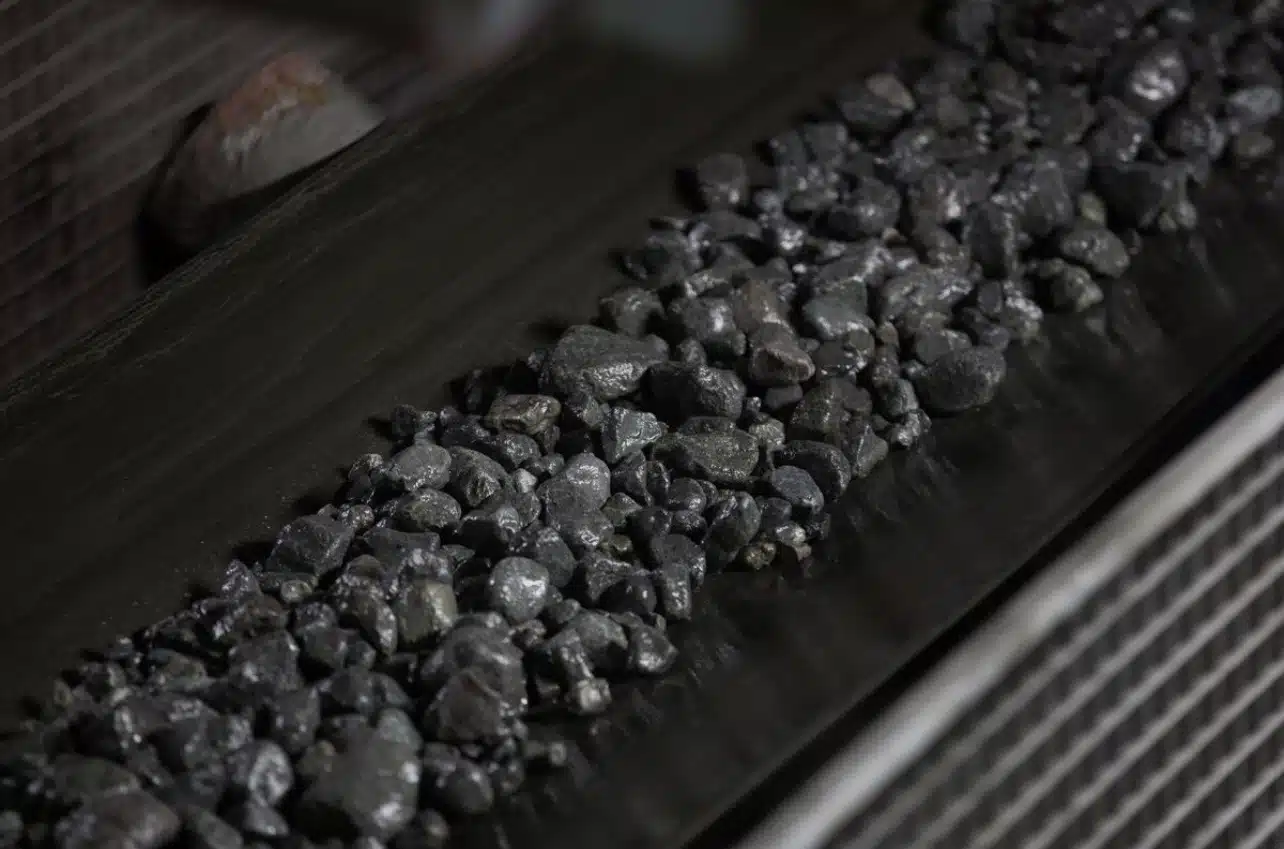


Zambia is stepping up efforts to attract foreign investors as it pursues an ambitious plan to more than triple copper production to 3 million metric tons by 2031, positioning itself at the centre of the global race for critical minerals.
Speaking to Reuters Tuesday, mines minister Paul Kabuswe said the government is holding investment discussions with multiple international partners — including the US — as part of a broader strategy to expand output in Africa’s second-largest copper producer after the Democratic Republic of Congo.
“The U.S. is part of it,” Kabuswe said, referring to ongoing talks aimed at mobilising investment for Zambia’s mining sector, though he declined to disclose details of specific negotiations.
Copper lies at the heart of Zambia’s economic ambitions. The metal is a key component in electric vehicles, renewable power infrastructure and other technologies central to the global transition toward low-carbon energy systems.
Despite its vast mineral resources, Zambia produced 890,346 metric tons of copper last year, missing the government’s annual target of 1 million tons. The figure nonetheless marked an improvement from the 820,670 tons recorded in 2024.
Strategic minerals draw global attention
The push to expand production comes as major economies intensify efforts to secure supply chains for strategic minerals. Washington has been increasingly keen to strengthen partnerships with resource-rich countries as it seeks to reduce reliance on Chinese-controlled supply networks.
Zambia’s mineral wealth extends well beyond copper. The country hosts significant reserves of cobalt, nickel, manganese, graphite, lithium and rare-earth elements — all considered vital for advanced manufacturing and clean energy technologies.
Major international mining companies already operate in the southern African nation, including JCHX Mining, Barrick Gold, First Quantum Minerals, Vedanta Resources, International Resources Holding and KoBold Metals.
For Zambia, expanding mining investment is critical to economic stability. The sector accounts for more than 70% of the country’s export earnings and contributes nearly 30% of government revenue.
Kabuswe said Lusaka remains focused on negotiating partnerships that ensure benefits for both investors and the country.
“It has to be a win-win situation for Zambia and for the investors,” he said, adding that foreign companies must also “take their share” of responsibility in developing the sector.
IMF-backed reforms restore investor confidence
Zambia’s renewed push for investment comes as international lenders say economic reforms are beginning to improve the country’s investment climate.
According to the International Monetary Fund (IMF), fiscal reforms and progress in restructuring Zambia’s debt have helped restore investor confidence after a prolonged financial crisis.
The country defaulted on its external debt in 2020, becoming the first African nation to do so during the pandemic era. In August 2022, it entered a $1.7 billion extended credit facility with the IMF as part of efforts to stabilise the economy and restructure its obligations under the G20 Common Framework.
Zambia officially exited default in November 2025 after completing a restructuring of $13.3 billion in external debt, including agreements with bondholders that extended repayment timelines and reduced interest costs — a move that landed the country its first credit rating upgrade in six years.
In its latest programme review released in February, the IMF said the reforms have helped correct macroeconomic imbalances despite a series of domestic and external shocks.
The fund noted that the Zambian kwacha strengthened by about 25% between May and October last year as confidence improved and foreign exchange supply from mining exports stabilised, before weakening slightly toward the end of the year as import demand increased.
Inflation has also begun to ease. Consumer prices slowed to 7.5% last month from 9.4% previously, returning to single-digit territory for the first time in more than two years.
Supported by stronger mining activity and record maize production, Zambia’s real gross domestic product is estimated to have expanded by 5.2% in 2025, up from 3.8% in 2024.
For Lusaka, translating that macroeconomic recovery into sustained investment in its mining sector may prove key to achieving its ambitious copper output target — and securing a larger role in the global supply of critical minerals.