
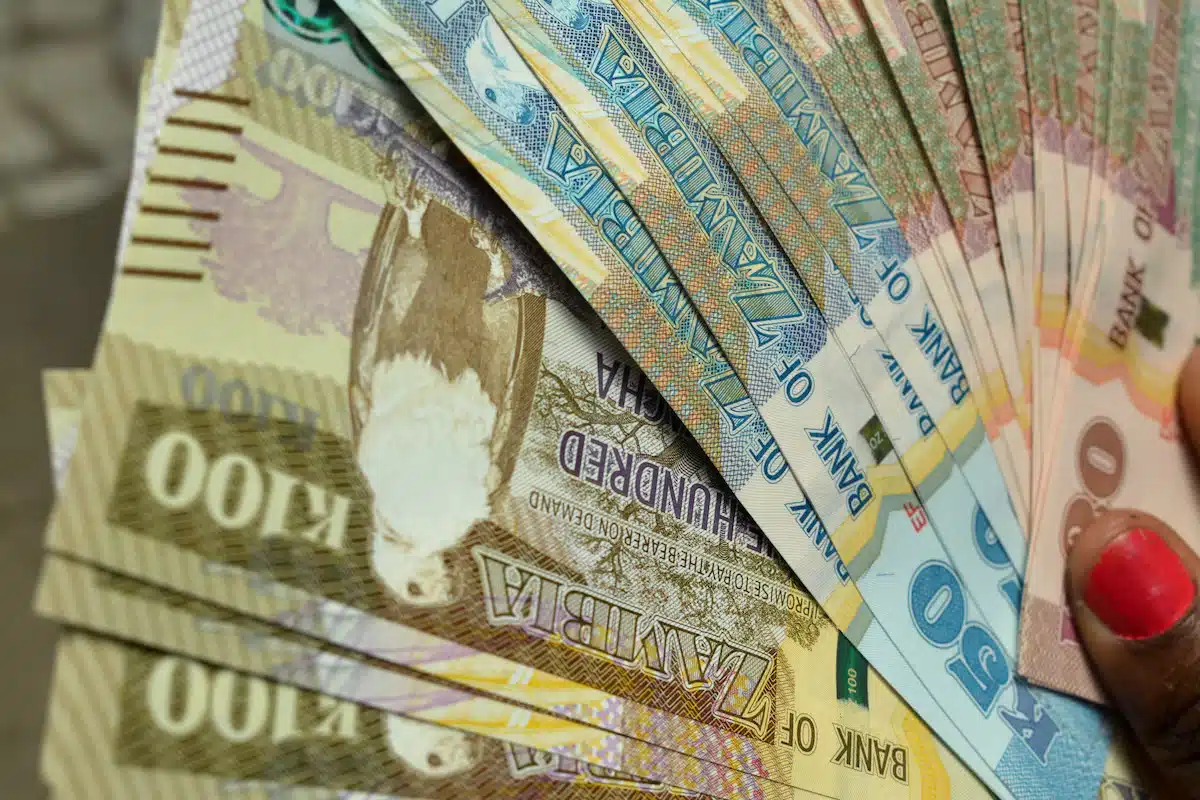


Zambia’s central bank has lowered its benchmark interest rate to the lowest level since October 2024 after inflation cooled sharply at the start of the year.
At its February meeting, the Bank of Zambia (BoZ) cut the monetary policy rate by 75 basis points to 13.50%, defying market expectations for a more modest reduction to 14.00%.
The move marks the second consecutive rate cut, and follows a sharp deceleration in consumer price pressures.
Annual inflation fell to 9.4% in January from 11.2% in December, its lowest reading since January 2023, reinforcing a disinflation trend that gathered pace in the second half of last year.
In a statement on Wednesday, the BoZ said the decision reflected the faster-than-anticipated decline in inflation and improved inflation expectations, alongside the need to maintain an appropriate policy stance.
“The current projection is that inflation will fall into the 6-8 percent target band at a faster pace than was forecast in November 2025,” the bank said.
Currency strength and harvest effects
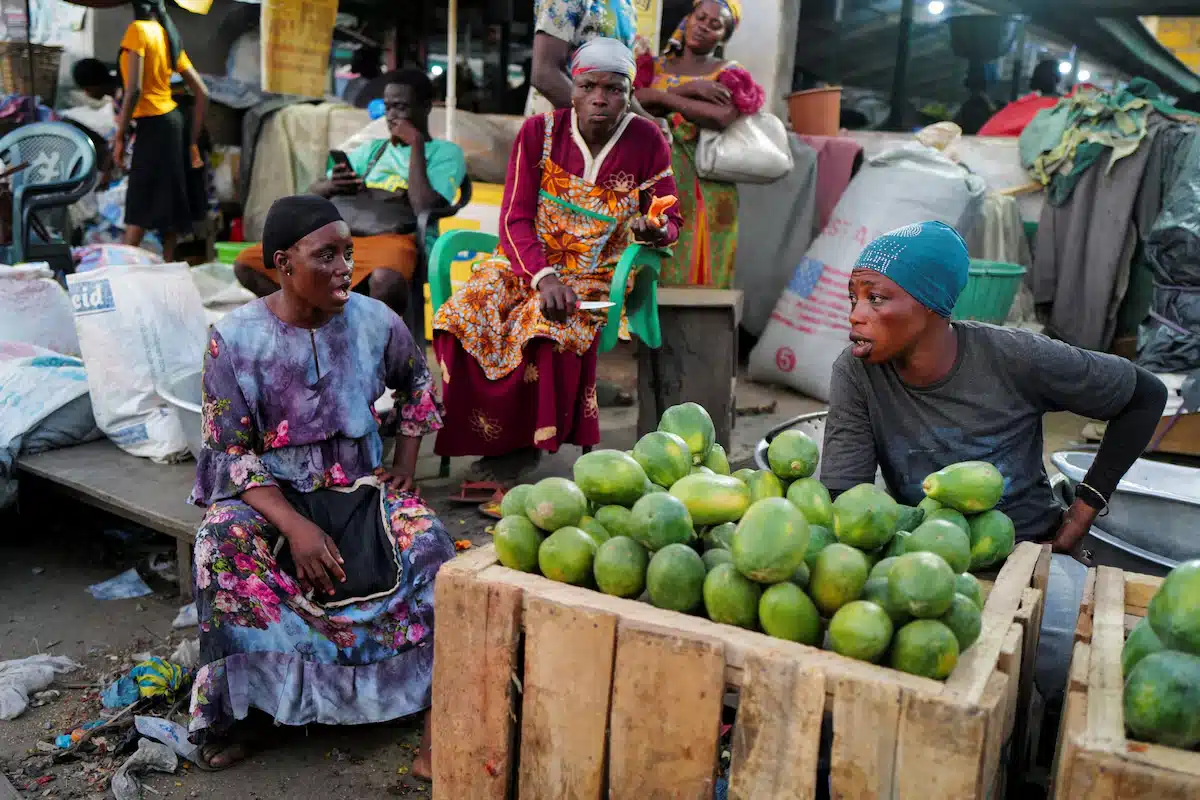
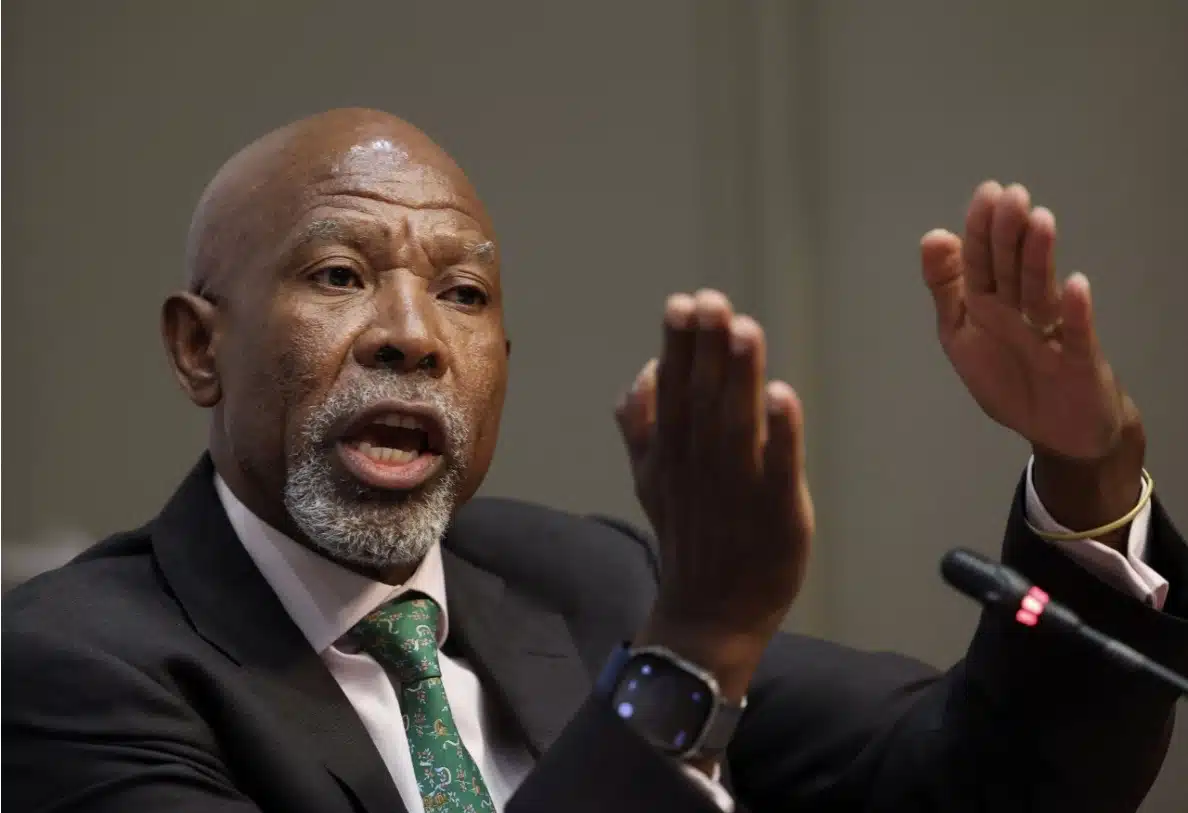
Governor Denny Kalyalya pointed to gains in the kwacha and a favourable agricultural backdrop as key drivers of the improved outlook. Speaking after the decision, he said the stronger currency and better food supply dynamics were helping to ease price pressures, particularly on imported and staple goods.
The kwacha has strengthened materially in recent months, gaining about 4% against the dollar in the fourth quarter of last year and a further 14% so far this year. Kalyalya said the rally was supported by improved foreign-exchange inflows, especially from the mining sector, where dollar supply rose to about $759 million in the fourth quarter from $637 million in the previous three months.
BoZ forecasts show inflation averaging 6.9% in 2026, down from a 7.6% forecast at the November meeting, before easing further to around 6.3% in 2027.
The bank said risks to the outlook remain tilted to the downside, citing favourable weather conditions, supportive external sector developments and continued macroeconomic stability.
Debt overhang still in focus
Despite the improving inflation picture, Zambia continues to operate against the backdrop of a protracted debt restructuring. Inflation has remained above the central bank’s target range since 2019 as the copper-rich economy worked through a sovereign debt crisis.
Earlier on Wednesday, Zambia’s secretary to the Treasury told Reuters that the government had formally requested a new International Monetary Fund programme and was hoping to reach a staff-level agreement by May, a development closely watched by investors.
Uneven regional trend
Zambia’s easing cycle places it alongside a growing number of African central banks that have begun to cut rates in 2026 as inflation cools further.
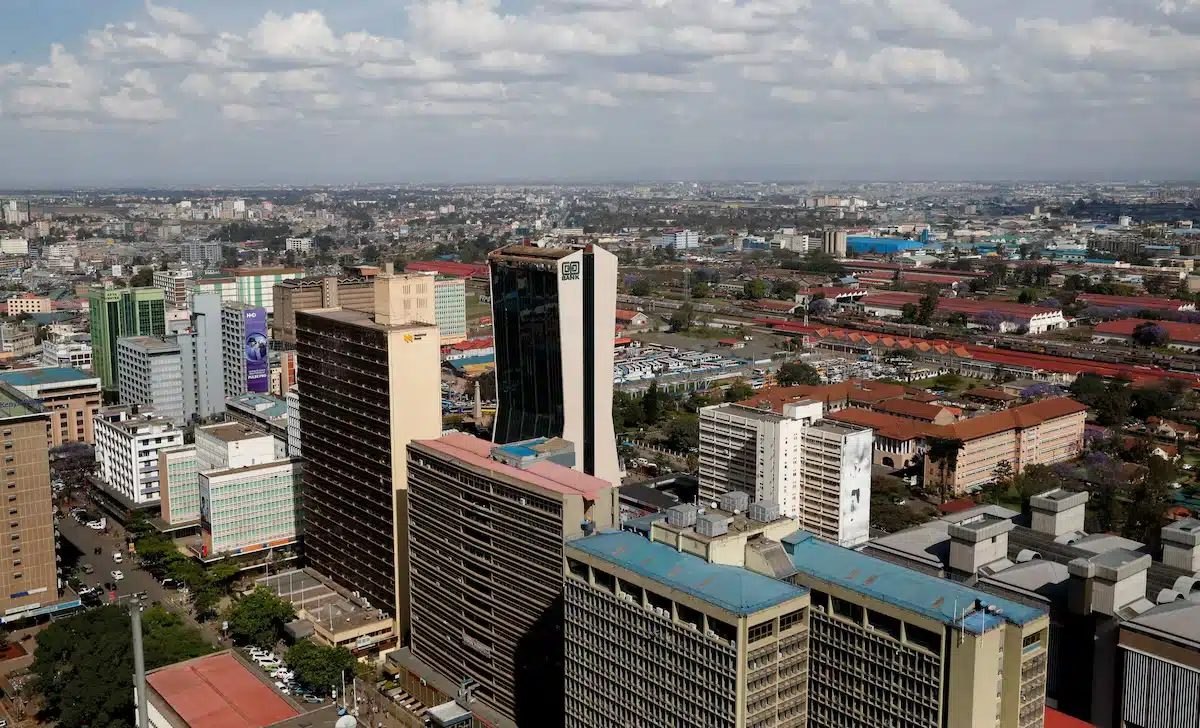
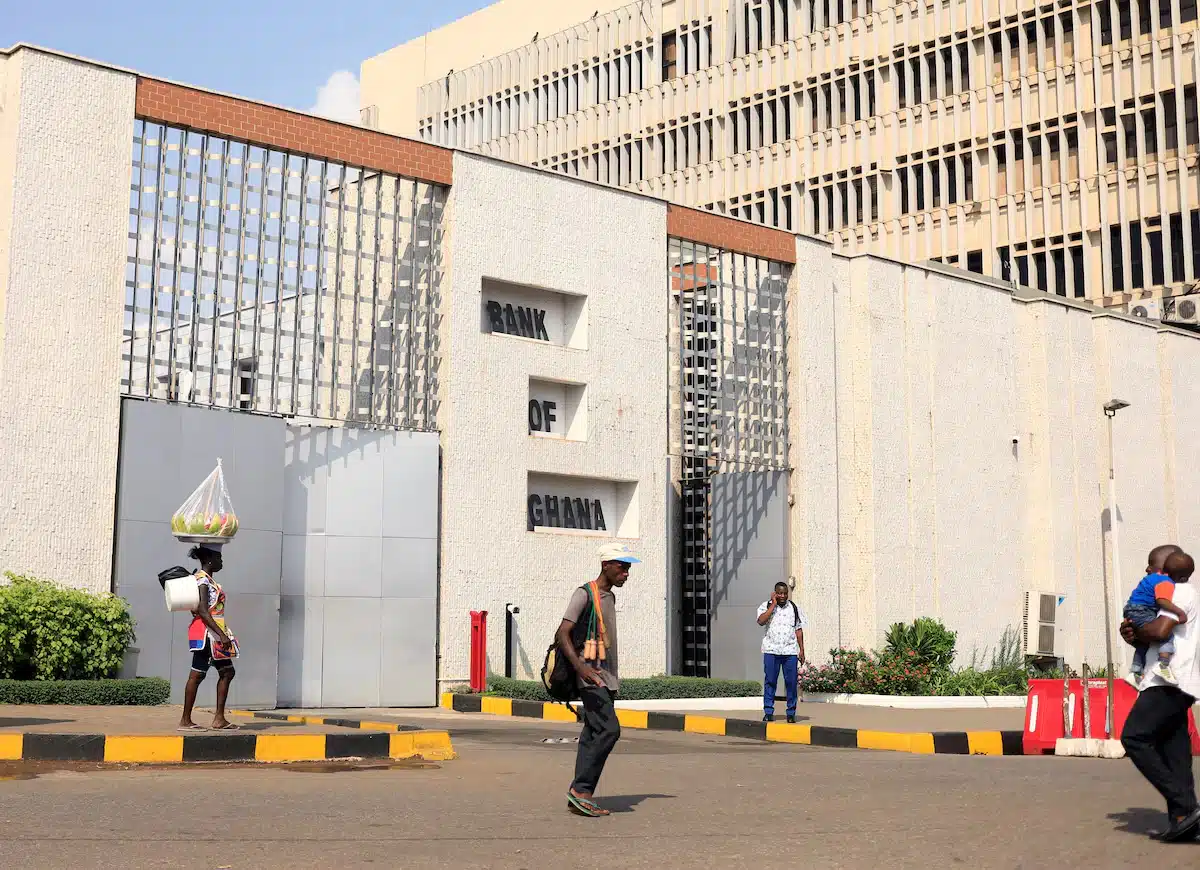
Ghana recently reduced borrowing costs to a four-year low after inflation slipped below the lower bound of its target range, while Kenya’s central bank on Tuesday cut its benchmark rate by 25 basis points to 8.75%, citing well-contained inflation.
Elsewhere, policymakers have adopted a more cautious stance. Uganda held its policy rate at 9.75% this week, while Tanzania kept its benchmark unchanged at 5.75% last month, prioritising growth amid stable inflation. South Africa has also remained on hold as it assesses price and external risks.
BoZ said future policy decisions would continue to be guided by inflation outcomes, forecasts and financial stability considerations. The next Monetary Policy Committee meeting is scheduled for May 11–12, when officials will reassess the pace of easing as inflation moves closer to target.