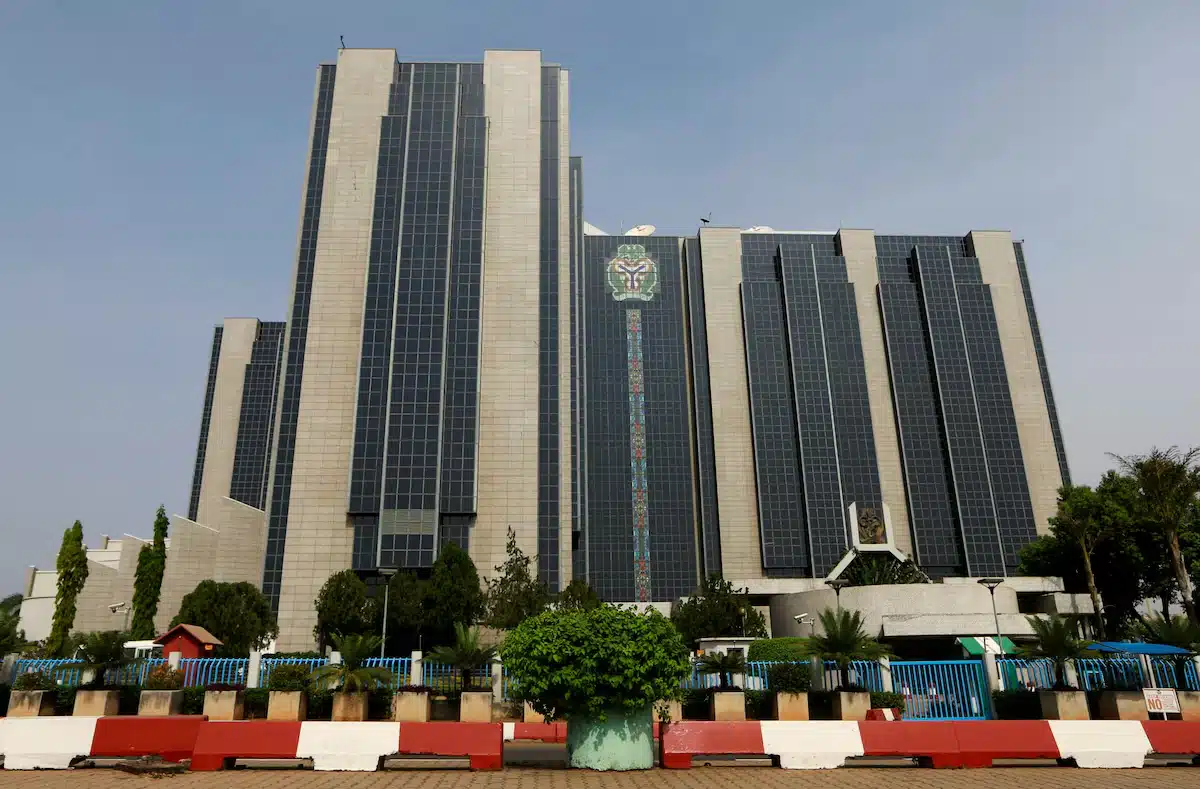



Nigeria’s central bank has signalled that it may scale back its intervention in the foreign exchange market as liquidity conditions improve and external buffers strengthen.
The shift marks a potential turning point in the management of the naira after years of heavy central bank involvement to stabilise the currency amid chronic dollar shortages.
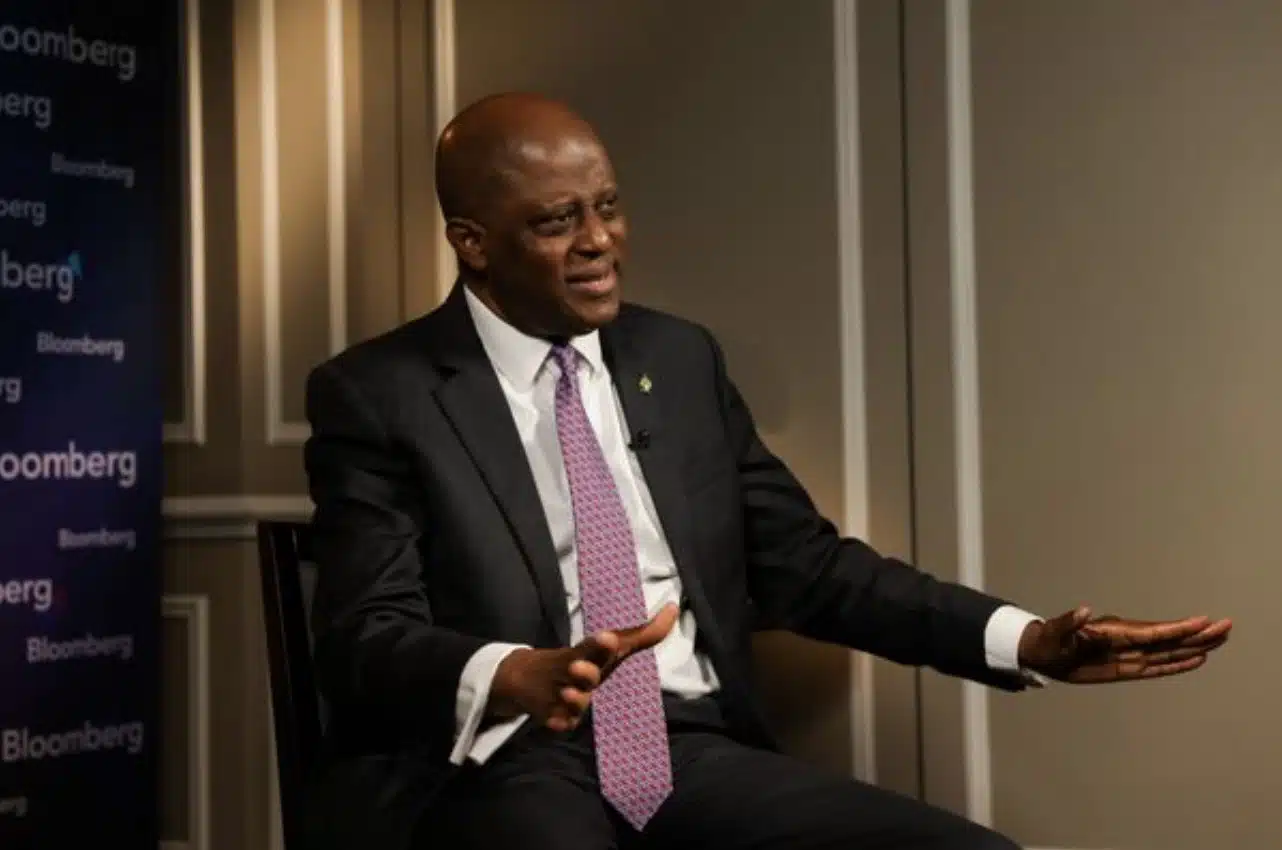
Speaking after the just concluded 2026 IMF and World Bank Spring Meetings in Washington, Governor Olayemi Cardoso said recent reforms have helped restore confidence and improved market functioning, allowing the FX market to operate more independently.
“Despite global uncertainty, Nigeria’s reform progress continues to stand out. Our policies are strengthening the naira, boosting reserves, and building investor confidence and capital inflows,” Cardoso said in a X post on Monday.
Rising reserves support policy signal
The governor’s remarks come as Nigeria’s foreign reserves climbed to $50.5 billion in early March, marking the highest level in 13 years, supported by FX reforms, improved inflows and efforts to clear longstanding backlogs.
The stronger reserve position has enhanced the country’s ability to meet external obligations, including debt servicing, while helping to stabilise the naira and ease pressure on domestic prices.
Cardoso said the FX market is now “more market-driven” and has “sufficient liquidity to operate on its own,” signalling reduced reliance on direct interventions by the central bank.
Still, the CBN has continued to step in selectively. As recently as early March, the regulator injected about $300 million into the market to curb volatility, underscoring the cautious approach policymakers are taking as reforms take hold.
Banking recap and inflows boost confidence
The improving liquidity backdrop has been reinforced by stronger capital inflows, including from the banking sector recapitalisation programme, which raised ₦4.65 trillion or about $3.5 billion.
Cardoso said the exercise, with 72.55% local and 27.45% foreign participation, reflects both investor confidence and domestic support for ongoing reforms.
The central bank is also targeting an increase in diaspora remittances to $1 billion per month by the end of 2026, as part of efforts to deepen foreign exchange supply through formal channels.
“Our focus is unwavering: sustain reforms, strengthen institutions, and ensure data-driven decisions that support a stable, growing economy for all Nigerians,” he said.
External risks remain
Despite the improving outlook, risks persist. The Middle East crisis continues to cast a shadow over global markets, with potential implications for capital flows and commodity prices. While higher oil prices offer some fiscal support, they also contribute to inflationary pressures and complicate policy decisions.
After 11 months of consistent decline, Nigeria’s inflation rose to 15.4% in March as higher energy costs linked to the ongoing conflict fed into domestic prices. The escalation of tensions is also expected to weigh on foreign portfolio investment flows, limiting support for the naira and exposing the currency to renewed pressures.
For now, the central bank appears to be betting that stronger reserves, improved liquidity and ongoing reforms will allow it to gradually step back from direct currency management, marking a shift towards a more market-driven foreign exchange regime.
NB:$1 = ₦1,345 as of April 20, 2026