



At GITEX Africa in Morocco, the shift in conversation is unmistakable, reflecting a deeper maturity in how Africa’s digital economy is now being understood. For years, the dominant narrative centred on access, with success measured by how many people could be brought into the formal financial system and how quickly digital services could expand across underserved markets. That phase was necessary, and it laid a critical foundation, but the market is no longer operating at that level.
As founders, operators, investors, and policymakers convene, the focus has moved beyond reach and into a more demanding territory grounded in usage, performance, and resilience, where the real question is no longer whether people can access financial services, but whether those services are consistently used and whether the systems behind them can support that usage at scale.
Some background context
GSMA says Sub-Saharan Africa had more than 1.1 billion registered mobile money accounts in 2024, but about 283 million active users, showing that scale on paper still materially exceeds scale in regular use
Country data shows the same pattern. In Ghana, registered mobile money accounts reached 72.98 million in 2024, but active accounts were 23.49 million, meaning only about 32.2% of registered accounts were active under the Bank of Ghana’s definition of activity in the prior 90 days.
Increasingly, usage intensity is becoming a bigger deal, as seen in one of the continent’s major players. Safaricom reported 32.41 million one-month active M-PESA customers in FY24, with KSh40.2 trillion ($298 billion) in transaction value and 28.3 billion transactions. It also reported 31.5 chargeable transactions per active customer per month in FY24. In FY25, M-PESA one-month active customers rose to 35.82 million, volumes to 37.15 billion, and chargeable transactions per active customer per month to 37.92.
From access to infrastructure

Access alone is no longer a differentiator, and the next phase of growth will be defined by infrastructure, with financial services expected to operate as part of broader ecosystems rather than standalone products, requiring systems that are interoperable, reliable, and built for continuous use.
For Wave, this reflects a reality already playing out across its markets, with Malick Gueye, General Manager, Wave Senegal noting that “Africa has moved beyond the question of access, and the real challenge now is whether systems are built to support how money actually moves at scale, because if they are not affordable and reliable, people simply stop using them over time.”
This distinction changes how success is measured, since access may bring users into the system, but infrastructure determines whether they remain active participants within it, and as Gueye further explains, “at scale, the economics become very clear, because if a system is not designed for high frequency, low value transactions, it cannot sustain real usage, and without that, growth does not translate into meaningful participation.”
Understanding how money actually moves
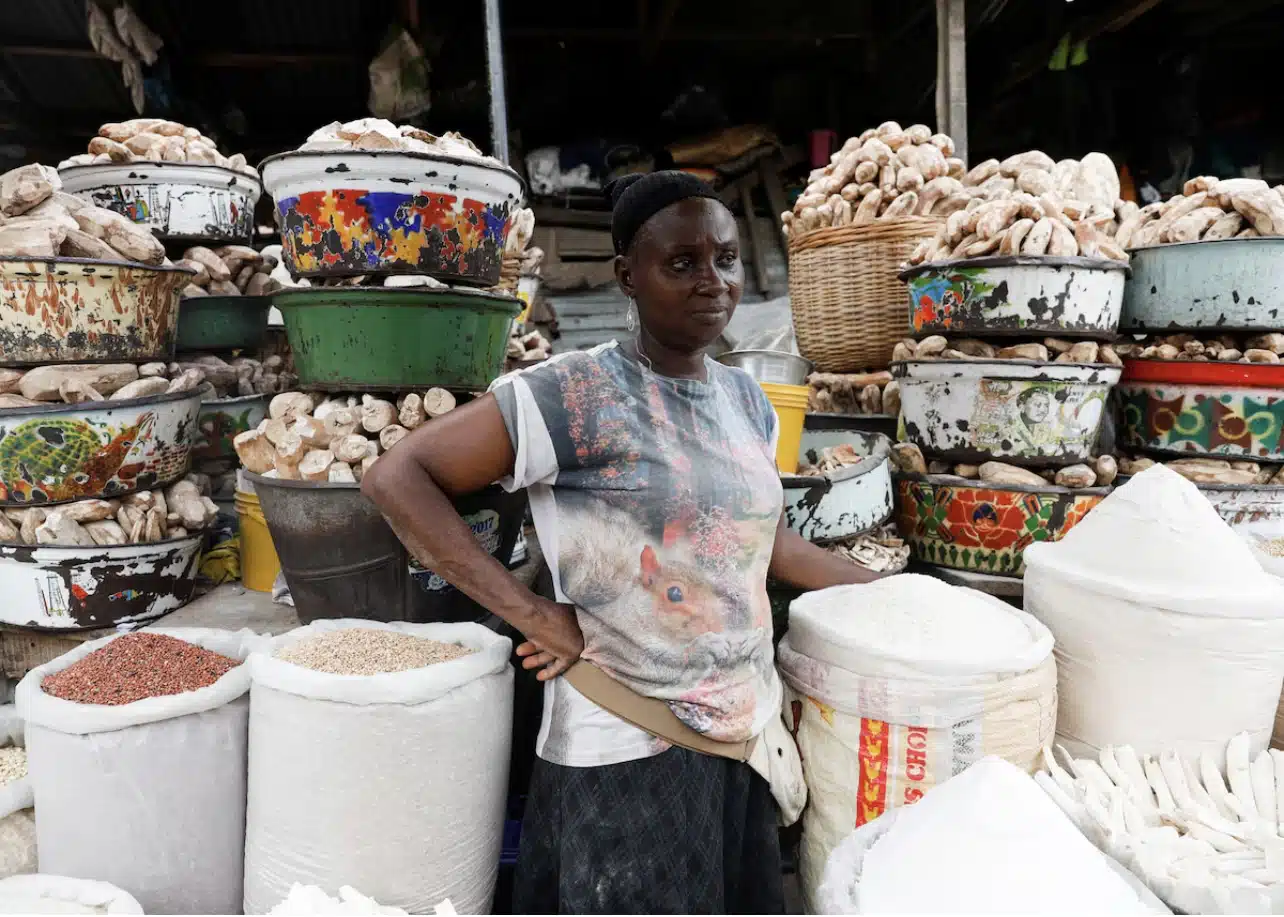
Across many African markets, transactions are not occasional or high value, but small, frequent, and embedded in daily life, with transport payments, informal trade, peer to peer transfers, and everyday purchases existing within a rhythm of constant movement where money flows multiple times a day, meaning design must align with behaviour rather than reach alone.
As Karamokho Badiane, Regional Director of Business Development, explains, “people are moving through their day making multiple transactions, whether that is paying for transport, sending money, or restocking their businesses, and if something does not fit into that flow, they do not adjust their behaviour, they simply change the service.”
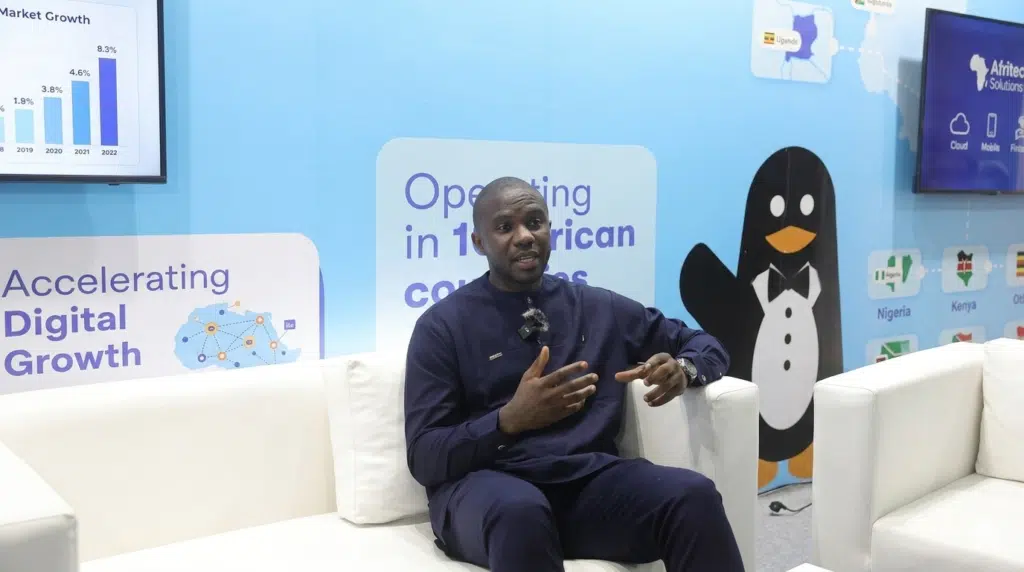
This dynamic reinforces that while awareness may drive initial adoption, sustained usage depends on whether the product works seamlessly in everyday life, and as the Regional Director of Business Development continues, “in our markets, even small friction adds up very quickly, so if something feels slow, slightly more expensive, or inconsistent, people notice it immediately and begin to move away from it.”
Why cost and reliability define scale
As digital finance becomes more embedded in everyday life, cost and reliability are emerging as the defining conditions of scale, particularly in environments where transactions happen frequently and even marginal costs accumulate quickly, making affordability essential to relevance.
In domestic markets, competitive pricing between major fintech players are driving costs down.
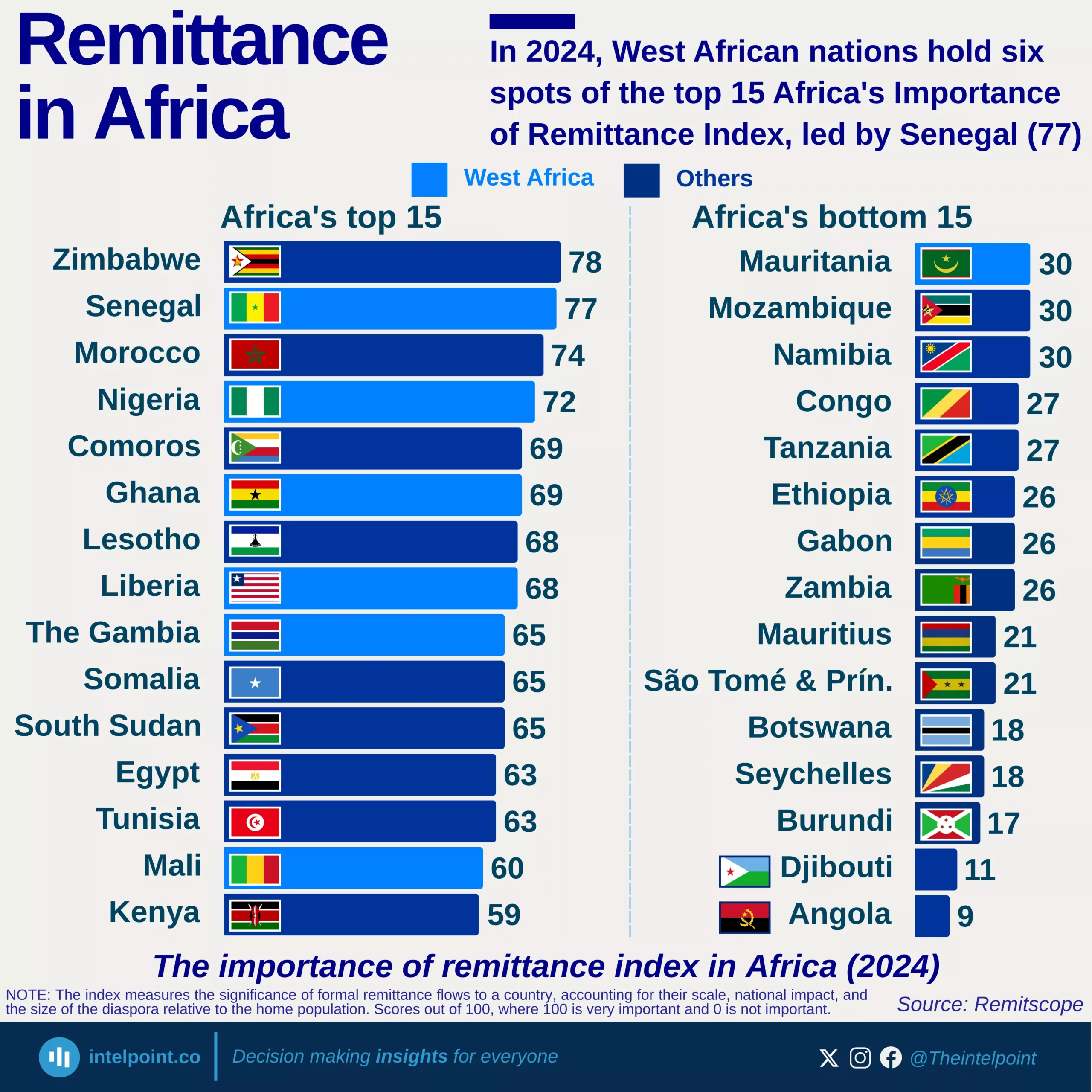
However, at the cross-border end, the benchmark is still much less competitive. The World Bank’s Remittance Prices Worldwide data shows Sub-Saharan Africa remained the most expensive region to send money to in Q4 2024, with an average total cost of 8.16% for a $200 transfer; banks were the most expensive provider type at 13.40%. By Q1 2025, the regional average had risen again to 8.78%.
Reliability carries equal weight, especially in contexts where transactions are tied to immediate needs, since a failed transaction disrupts a chain of daily activity and directly affects trust in the system, which is why, as the Regional Director of Business Development notes, “usage is not something you convince people to adopt, it either works for them in their daily lives or it does not, and that decision happens very quickly without much consideration.”
Public failure-rate data is still patchy across African markets, and many operators do not disclose standardised transaction-failure ratios. Where hard failure-rate disclosures are absent, public reports still point to the operational issue. Network downtime can force transaction reversals, while congestion can lead to failed transactions
Tanzania offers one of the clearer public benchmarks for reliability. The Tanzania Clearing House recorded 99.97% uptime in 2024, while the Bank of Tanzania also describes TIPS as enabling 24/7 instant payments and same-day continuous settlement.
Coincidentally, Tanzania has a relatively high usage density compared to markets like Ghana. The Bank of Tanzania recorded 6.414 billion mobile money transactions in 2024, with 60.75 million active users. That implies roughly 17.6 million transactions a day, or about 105.6 transactions per active user over the year.
As financial services become more integrated into everyday systems, expectations around performance continue to rise, and as Gueye adds, “what ultimately matters is consistency at scale, because if people cannot rely on a system every day, it does not become part of how the economy functions, and instead remains something they use occasionally.”
From inclusion to participation at scale
The most important shift taking place is the move from access to participation, with financial inclusion now defined by the ability to support ongoing, everyday economic activity, requiring systems that align with behaviour, operate at low cost, and deliver reliability without interruption.
As Gueye concludes, “economic participation is built on consistency, and it is about enabling people to transact without interruption, without excessive cost, and without uncertainty, because when that foundation is in place, financial services move beyond access and begin to support the economy in a meaningful way.”
What is visible around GITEX Africa is not a future shift, but one already underway, shaped by systems built for real usage. The next phase will not be defined by how far services can reach, but by whether they can sustain everyday use at scale, consistently, affordably, and without friction, because that is ultimately what determines whether digital finance becomes part of how economies function, or remains a layer people move in and out of.