


Kenya is pushing to secure about $335 million (Sh43.3 billion) in external funding before the end of June, as it moves to close out its fiscal-year borrowing plan and ease pressure on an already stretched domestic debt market.
The inflows—expected from the African Development Bank (AfDB) and a yen-denominated Samurai loan arranged last year—are part of a broader financing pipeline linked to reform milestones, climate frameworks and multilateral support.
Treasury officials say the funds are nearing disbursement but remain tied to the completion of key conditions, highlighting execution risks within Kenya’s external borrowing programme.
“On the Samurai, we have progressed significantly and are nearing the drawdown, which we expect before the end of the financial year,” National Treasury Cabinet Secretary John Mbadi said over the weekend.
“We are also likely to receive funds from the sustainability-linked bond, which is tied to this DPO, and finally, the AfDB, which is waiting for us to complete these processes,” he added. “Before June we should have completed them.”
The push comes as the country targets $1.74 billion (Sh225.8 billion) in external borrowing for the fiscal year ending June 30, with the latest inflows set to complement $750 million (Sh96.9 billion) from the World Bank and $500 million (Sh64.6 billion) tied to a sustainability-linked bond.
Conditional funding pipeline
Disbursements from the AfDB depend on World Bank Development Policy Operations, while the sustainability-linked bond is contingent on the adoption of a climate financing framework.
This interlinked structure raises the risk of delays, as setbacks in one facility could affect others, increasing pressure to complete outstanding requirements before the fiscal year closes.
At the same time, Kenya is leaning on external funding to reduce reliance on domestic borrowing, projected at Sh998.6 billion ($7.7 billion) on a net basis—one of the highest levels in recent years.
Yen financing and green debt reshape funding mix
Part of the strategy includes Kenya’s first Samurai facility, a yen-denominated loan secured from Japan in August last year.
Unlike a Samurai bond issued in public markets, the facility is a targeted loan tied to sectors such as vehicle assembly and energy. It reflects a broader shift toward alternative funding sources as authorities seek to manage currency pressures and reduce exposure to dollar-denominated debt.
Kenya has also explored other non-dollar instruments, including Shariah-compliant bonds and yuan-denominated Panda bonds.
The sustainability-linked bond, meanwhile, signals a growing focus on climate finance, targeting investments in renewable energy, clean transport and green housing, with support from the World Bank.
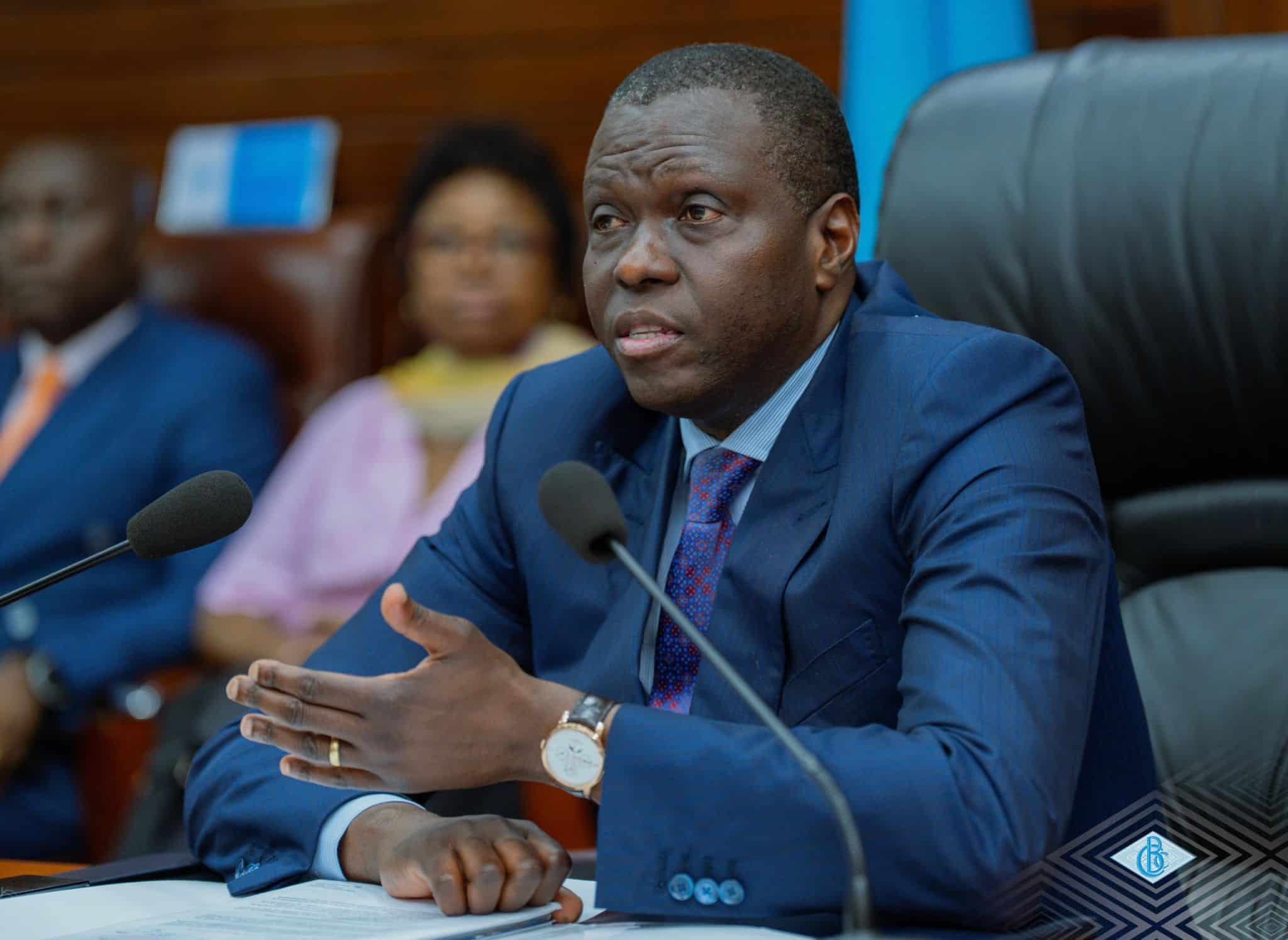
“The sustainability-linked bond is part and parcel of the Development Policy Operation because the World Bank is helping us with it,” Central Bank Governor Kamau Thugge had said on the sidelines of the latest IMF-World Bank Spring Meetings.
Funding push tests execution capacity
With weeks to go before the fiscal year ends, Kenya’s ability to unlock the remaining external funding will be critical in shaping its borrowing profile and easing pressure on local markets.
The outcome will also indicate how effectively the government can navigate increasingly complex financing structures, where access to capital depends as much on policy delivery as on market conditions.