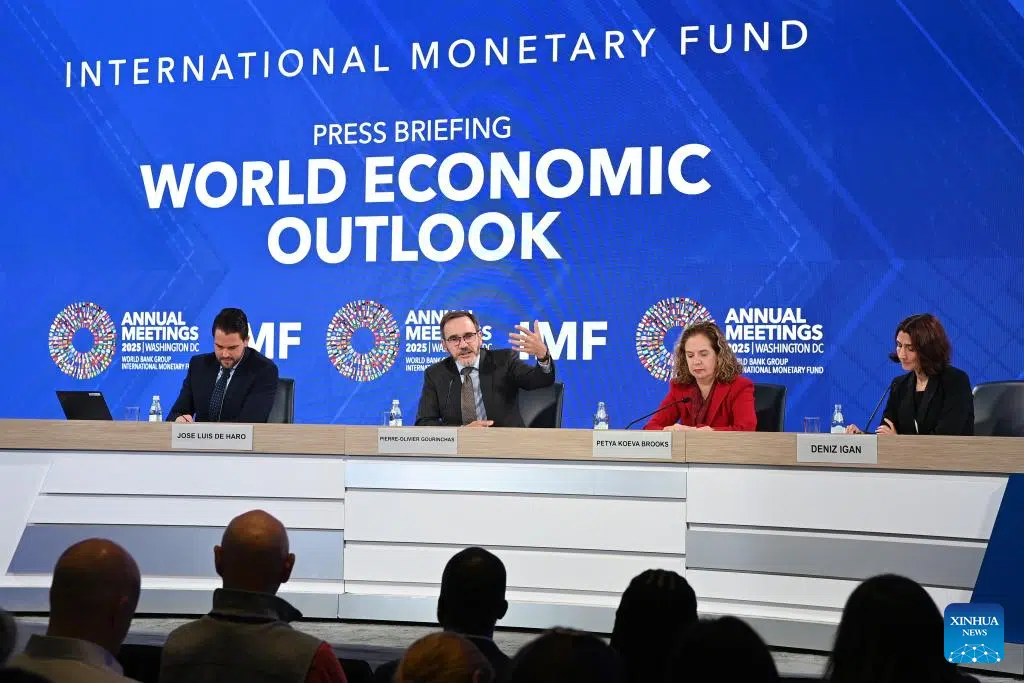

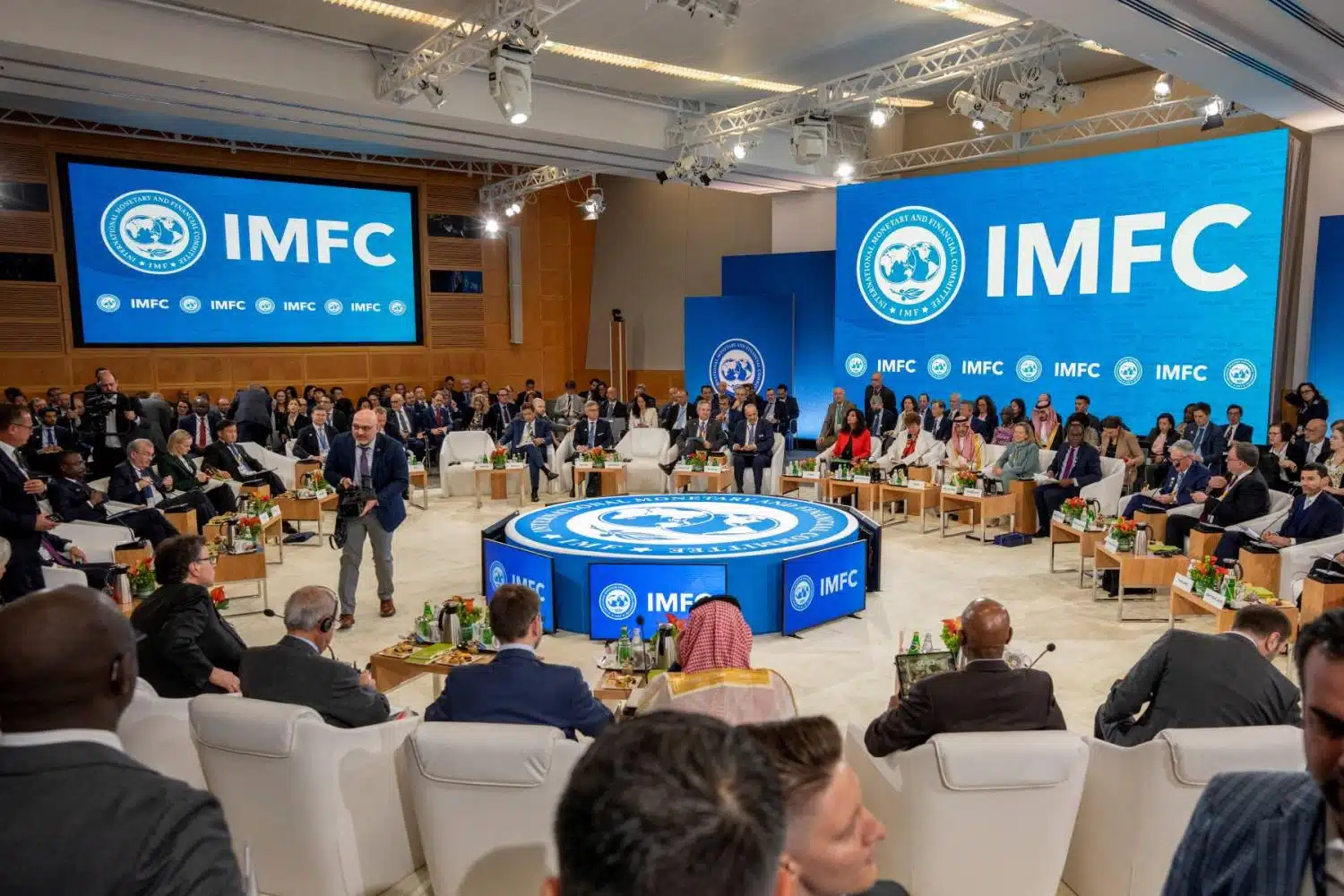


Emerging markets are dominating the agenda at the IMF-World Bank Spring Meetings, which opened today in Washington, D.C., and African nations are front and centre.
With debt servicing already devouring budgets and the Iran war driving up energy and fertiliser prices, talks on Senegal’s hidden liabilities, Mozambique’s restructuring push, Gabon’s reform package and Egypt’s programme review could determine whether the continent stabilises or slides deeper into fiscal strain.
The backdrop is unforgiving. Global borrowing costs remain elevated, capital has fled to safer assets, and African governments face a painful choice: squeeze spending or turn again to multilateral lenders. Debt service now outstrips investment in health and education in many countries, while energy shocks threaten to reignite inflation and widen current-account gaps.
High-stakes country cases test multilateral support
Senegal’s case is the most politically charged. Billions in undisclosed debt halted a $1.8 billion IMF programme in 2024. Fresh negotiations are under way, but analysts warn that any new deal will demand tough fiscal consolidation, a path Dakar has so far resisted.
“Without the large fiscal effort, the Fund may ask Senegal for some sort of debt treatment, which has been firmly rejected by the authorities,” JPMorgan analysts noted. A muddle-through scenario remains the base case, but prolonged uncertainty risks delaying investment in one of West Africa’s fastest-growing economies.
Mozambique is playing a bolder hand. In talks since mid-2025 for a new IMF facility, Maputo wants debt restructuring and signalled seriousness by repaying IMF dues early in March. Oxford Economics expects a loan agreement by the second quarter of 2026. Success would ease pressure on domestic financing, which has reached its limits, and unlock space for reconstruction after years of insurgency and climate shocks.
Gabon, the second-largest economy in the Central African Economic and Monetary Community, formally requested an IMF programme in March. Political instability has drained reserves and stalled growth. Officials hope Spring Meetings discussions will finalise the contours of support tied to governance and diversification reforms, a critical test for resource-rich nations seeking to break the boom-bust cycle.
Egypt, meanwhile, is navigating its $8 billion Extended Fund Facility and $1.3 billion Resilience and Sustainability Facility. Gulf FDI has provided breathing room, but heavy reliance on energy imports, remittances and tourism leaves Cairo exposed to Middle East fallout. Markets are watching for signs the IMF will augment the programme or delay the next tranche review, originally slated for June.
For Africa as a whole, these four cases are bellwethers. Positive outcomes, fresh funding, credible debt relief and reform momentum, could restore market access, lower risk premiums and free fiscal space for jobs and infrastructure. Failure, however, would reinforce a higher-debt trap, prolong austerity and deter private capital at a time when the continent needs it most to hit growth targets.
Global Banking & Finance Review’s factbox underscores the stakes: reform, debt relief and deeper IMF engagement are the dominant themes. With the meetings running through April 18, African finance ministers have a narrow window to translate geopolitical turbulence into tangible support, and to prove that multilateralism still works for the world’s most vulnerable economies.