


In a significant step toward economic recovery, Zimbabwe announced on Thursday that it is making tangible progress in resolving its massive $23 billion debt arrears to multilateral institutions, potentially unlocking decades of blocked international financing and signalling the end of nearly 27 years of financial exile.
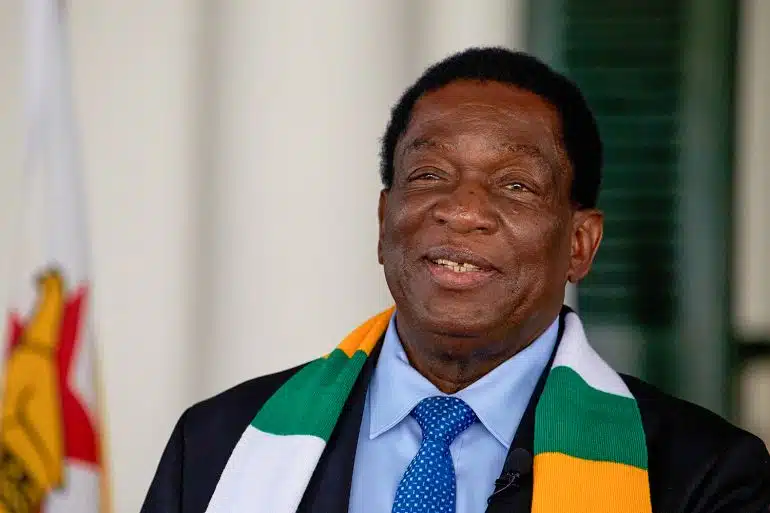
President Emmerson Mnangagwa delivered the update directly to heads of diplomatic missions and international organisations gathered in the capital, declaring that talks with lenders are advancing well. “The authorities recognise that credibility and predictability are essential ingredients to restoring investor confidence and securing new lines of credit,” he said, underscoring the government’s commitment to reform.
The announcement comes as Zimbabwe, once barred from borrowing from the World Bank, African Development Bank and Paris Club creditors after defaulting in the late 1990s, inches toward rejoining the global financial mainstream. The default, triggered by controversial land reforms, economic mismanagement and a devastating hyperinflation crisis that peaked in 2008, left the southern African nation isolated and reliant on domestic resources despite its vast mineral wealth in gold, platinum, diamonds and lithium.
Recent momentum has been fuelled by a new 10-month staff-monitored programme with the International Monetary Fund, agreed in February 2026. The programme is designed to build a credible track record of macroeconomic stability, fiscal discipline and governance reforms, prerequisites for any substantive arrears clearance and eventual access to fresh concessional loans.
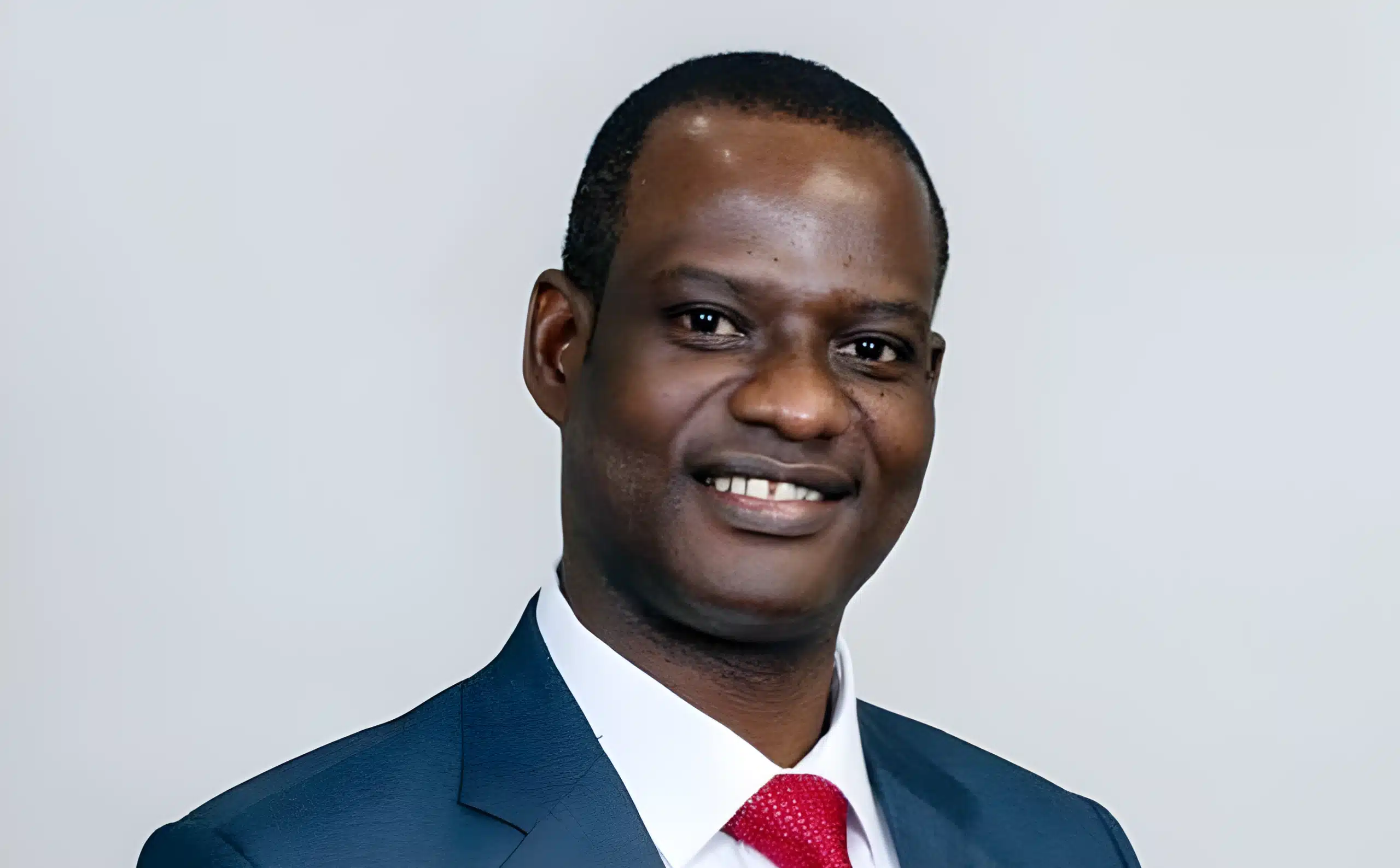
Mediation by former Mozambican president Joaquim Chissano through the Structured Dialogue Platform, established in 2022 and championed by African Development Bank president Akinwumi Adesina, has also played a pivotal role in keeping negotiations on track.
Zimbabwe’s total public debt stood at $23.4 billion by the end of 2025, highlighting the urgency. Clearing the multilateral portion alone could stabilise the economy in multiple ways: taming persistent inflation that has eroded savings and purchasing power, financing critical infrastructure projects in energy, roads and agriculture, and restoring access to development aid that has been off-limits for a generation.
For a country blessed with some of Africa’s richest resource deposits, success would open the door to foreign direct investment in mining and agribusiness, sectors that could drive job creation and export growth.
Analysts see parallels with other African nations that have cleared arrears and subsequently experienced investment surges. Ordinary Zimbabweans, meanwhile, stand to benefit from improved public services, reduced borrowing costs and greater economic predictability in a nation where unemployment remains stubbornly high and poverty widespread.
Yet the path forward is far from smooth. A fresh complication emerged in February 2026 when Libya escalated a long-standing dispute by filing a $100 million claim in the UK High Court over unpaid fuel credits dating back to 2001. The lawsuit, targeting Zimbabwe’s finance minister and state oil company, illustrates the tangled web of bilateral and commercial creditors still demanding resolution.
Broader challenges persist, including the need to address domestic debt, strengthen institutions and maintain political will for difficult reforms. The government’s National Development Strategy aims to propel the country to upper-middle-income status by 2030, but without external financing, those ambitions risk stalling.
Despite the hurdles, Thursday’s statement marks the latest and most encouraging signal yet from Mnangagwa’s administration. If negotiations continue to bear fruit, Zimbabwe could finally close the chapter on its debt crisis, re-engage fully with the international community and chart a new course of sustainable growth.
For investors and development partners watching closely, the message is clear: after years of isolation, Africa’s once-troubled economy may be on the cusp of a genuine renaissance.